
Review external access
Visible roof junctions and branches are considered without unsafe climbing.
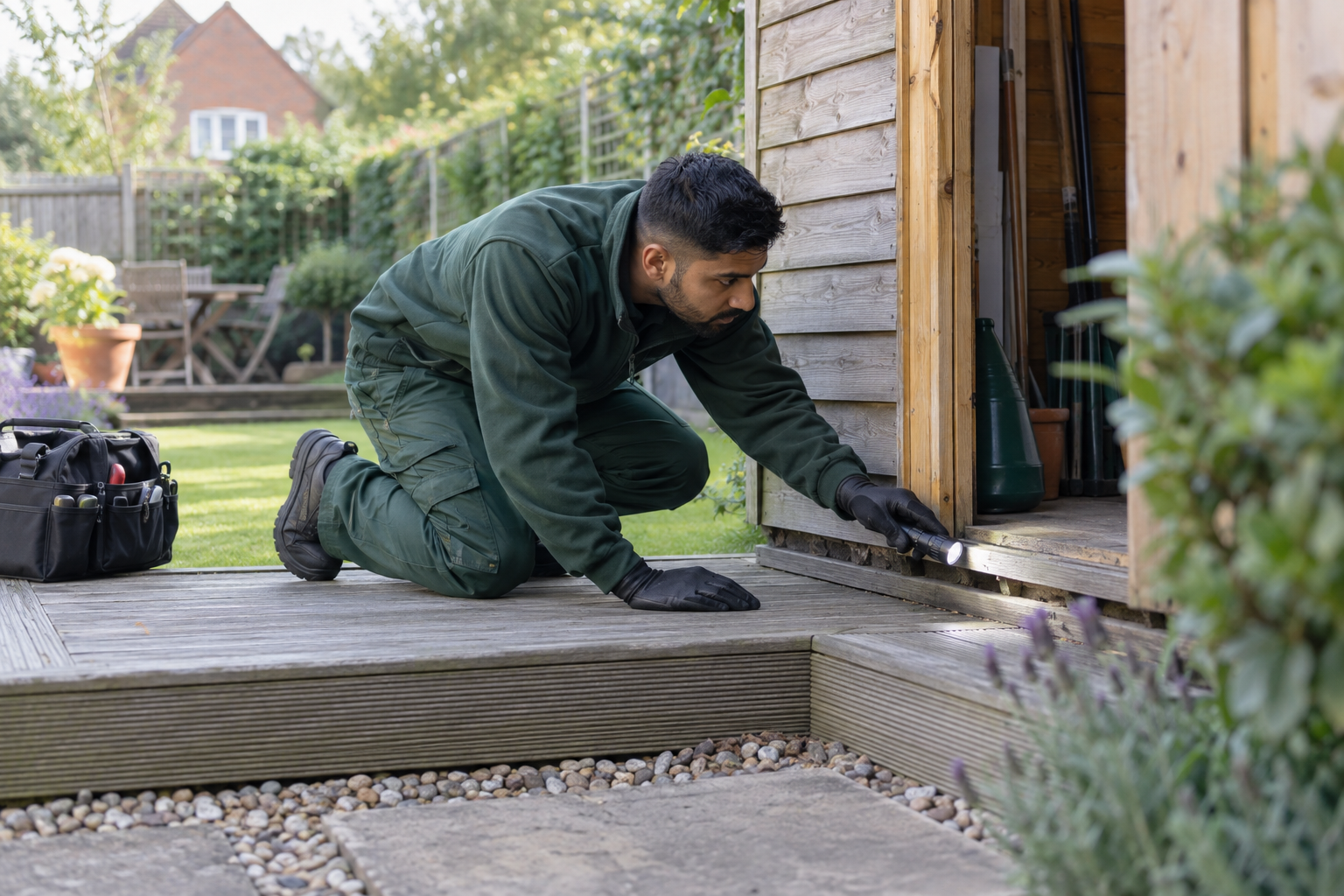
ST JOHN’S WOOD · ROOF-SPACE INVESTIGATION
Daytime noise above neighbouring flats needs evidence before anyone closes a roof opening. We compare timing, inspect accessible loft edges, look for gnawing and displaced insulation, and identify the safest control sequence. The porter’s access record helps separate private ceilings from communal roof space and keeps residents informed without promising an instant diagnosis.
Visible roof junctions and branches are considered without unsafe climbing.
Damaged cables are isolated from pest work and referred for electrical assessment.
LOCAL CONTEXT
Houses and mansion blocks require different permissions. A resident may report sound but lack entry to the roof void; the porter may hold keys while an external contractor controls roof access. We define that chain before recommending high-level work. Reports are tied to the room, ceiling bay and time of day, then compared with droppings, gnawing, nesting or displaced insulation inside the authorised loft. Trees and roof features are possible access aids, not identification. Bird nesting status and animal occupancy determine whether control, monitoring or delayed repair is appropriate. Fragile roofing and exterior height work remain specialist tasks. Private flats are not entered without consent. Follow-up checks fresh disturbance and repeated sound at the mapped position before management closes an opening that could still be active.
Timing starts the enquiry, but physical evidence decides the control plan. Wind, birds and building movement can sound similar from below.
Ask residents to note when noise starts and where it travels. Do not send occupants into an unfamiliar loft. Management should provide safe hatch access, lighting information and any asbestos register or contractor restriction relevant to the void.
The inspection can be requested, but management must authorise and provide safe entry to shared space.
Fresh gnawing beside wiring, an animal falling into an occupied room or a nest blocking the only safe entrance requires prompt action. Electrical hazards should be made safe by a qualified professional.
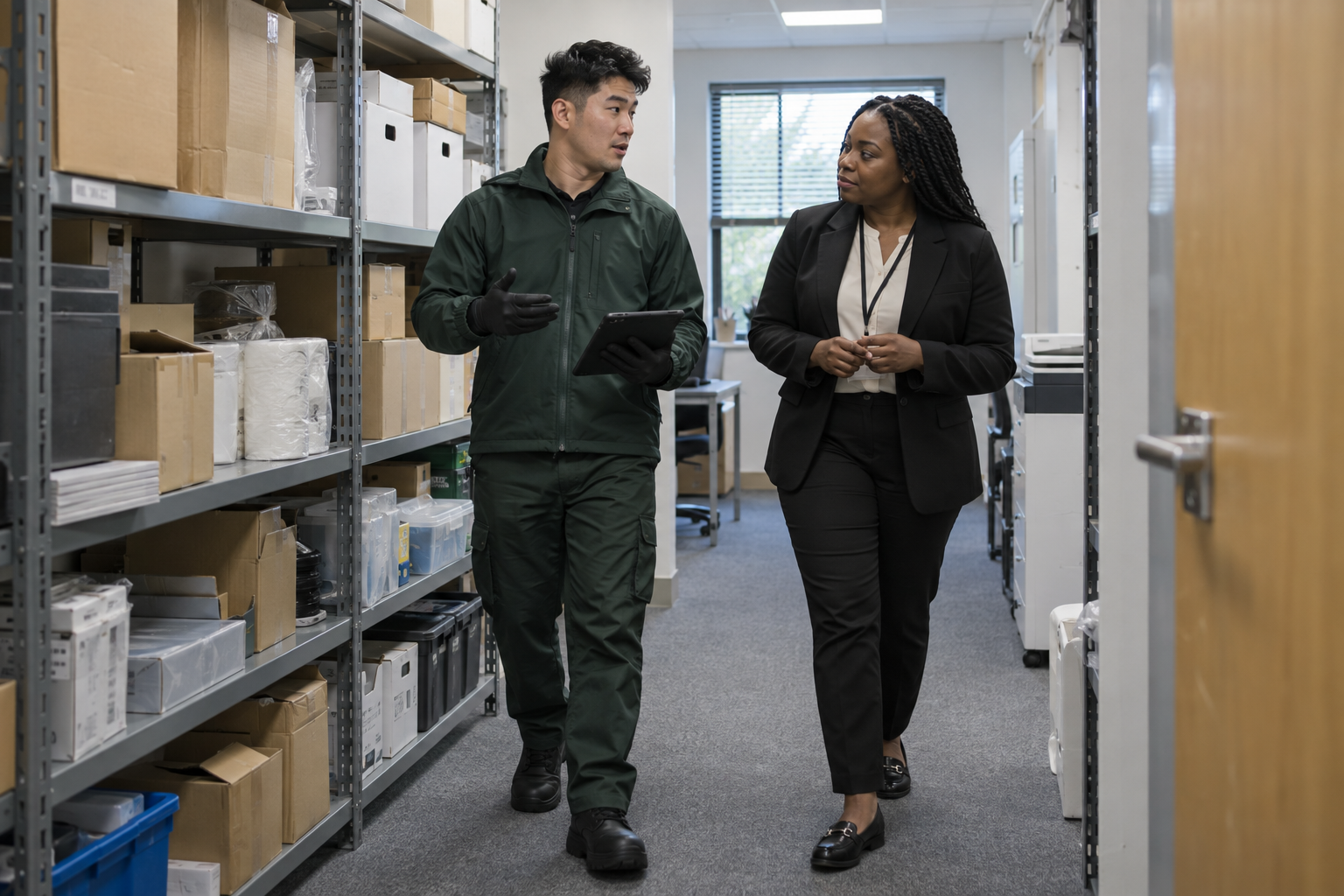
Daylight activity and substantial gnawing support a controlled removal plan before entry holes are closed.
Smaller droppings around pipe or cable routes may indicate movement unrelated to the main roof report.
Heavier evidence at lower levels redirects inspection towards basement, waste and drainage factors.
A flight line into the eaves calls for a separate nest assessment with height controls.
Resident reports are placed against the roof plan.
Only authorised, boarded or otherwise safe areas are inspected.
Sign size, location and activity period narrow the likely animal.
A lawful method is chosen for confirmed activity.
Proofing waits until the technician judges that trapping risk has passed.
Two households hear movement but cannot see the shared void or identify the animal.
Management access enables a documented survey, species-appropriate control and a marked list of roof defects.
Residents continue timed logs while the loft is checked for fresh disturbance. Quiet periods and unchanged monitors inform review, yet neither alone guarantees permanent exclusion.
No automatic pruning is required; first establish whether vegetation is connected to the evidenced route.
Not as routine pest access; specialist roofing work requires permission and suitable safety arrangements.
Cost depends on authorised loft access, control visits and whether roof proofing needs separate equipment or contractors.
| Service | Starting price | Scope factors |
|---|---|---|
| Pest inspection | From £62 | Property, access and areas inspected |
| Wasp treatment | From £89 | Nest position, height and safe access |
| Rodent control | From £184 | Activity, monitoring and visits |
| Bed bug control | From £204 | Rooms, preparation and method |
| Squirrel control | From £273 | Loft access, visits and proofing |
Final scope can change with access, activity, property size, treatment method, specialist equipment and the number of visits. Confirm the current price and inclusions before booking.
They are relevant but insufficient without tracks, droppings, nesting or damage.
Bird movement can be transmitted through roof fabric, so exterior observations should be included.
The porter or managing agent should hold the marked defects and required completion sequence.
Contaminated insulation may need a separately scoped removal and reinstatement service.
Compare roof positions and monitoring before concluding that activity has left the whole void.
No; accessible physical signs may answer the question without additional survey equipment.
Bring together resident reports and management access before the roof visit.
Call for a loft assessment