
Review the eaves line
The removed nest position is compared with cracks leading towards the room.
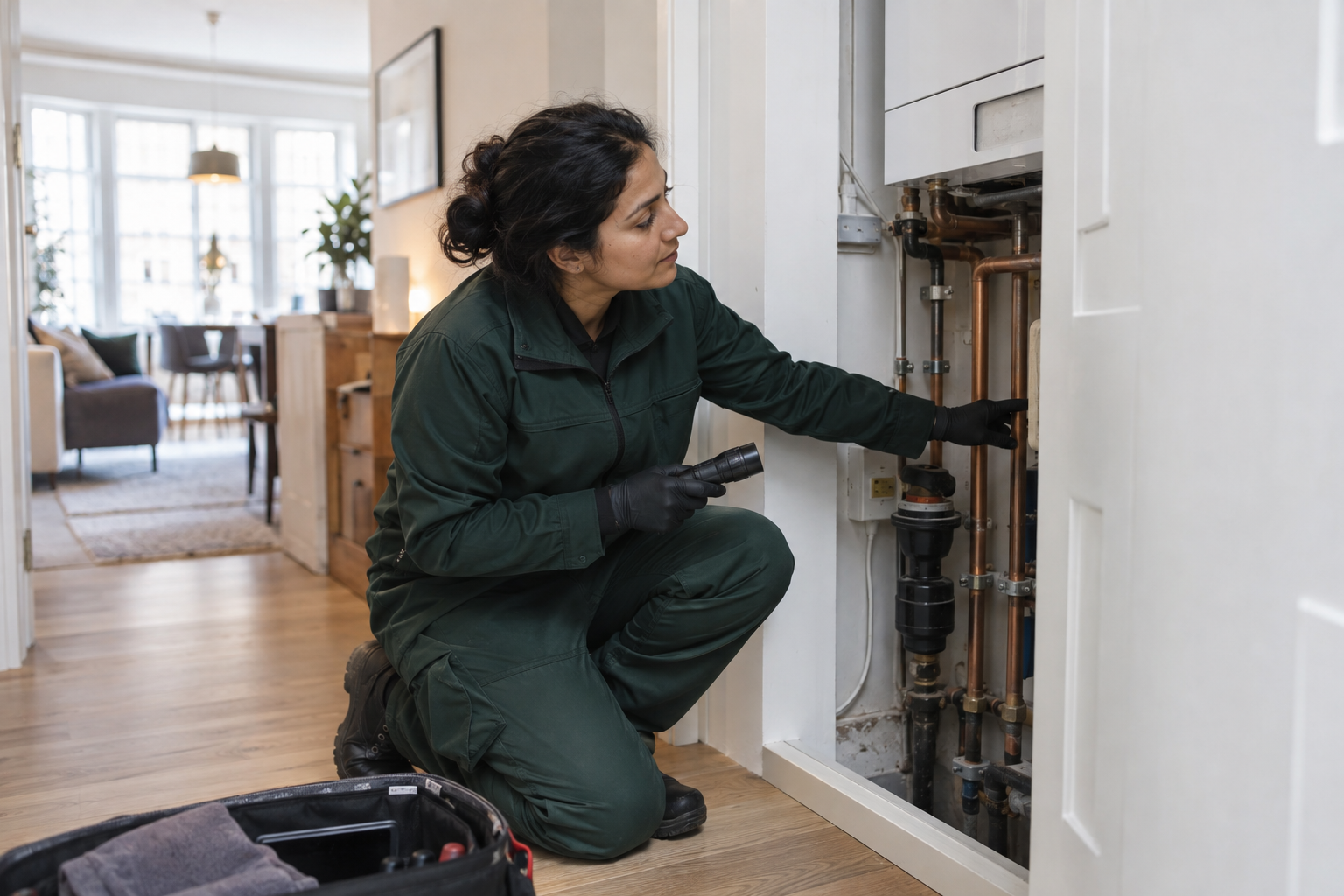
SIDCUP · POST-NEST BIRD MITE CHECK
Tiny insects appearing after nest disturbance may be bird mites searching for a host, but identification is essential because several household pests look similar. We inspect the window and eaves-side room, retain a specimen, and review exactly what the roofer removed. Treatment addresses accessible indoor harbourage while the roof contractor confirms that nesting material and entry defects are handled safely.
The removed nest position is compared with cracks leading towards the room.
Remaining nesting material and bird access are considered only from safe authorised areas.
LOCAL CONTEXT
The useful Sidcup evidence is the sequence between eaves work, nest disturbance and insects appearing at a particular ceiling edge, window or room. We ask for a safely retained specimen or close image because bird mites, fleas, beetles and other small insects require different source work. The inspection traces activity from the indoor capture points towards accessible loft edges and the documented location of the disturbed nest. It does not treat every roof void or adjoining home as connected without physical signs. Unsafe, unboarded or asbestos-risk loft areas remain outside direct access, and external tiles, soffits or scaffolding are handled by the appropriate roofing contractor. Active bird nesting and wildlife protections must be resolved before material is removed or openings are sealed. The homeowner provides the roof-work dates and controls indoor access; a landlord or freeholder authorises communal fabric work. Control combines source clearance when lawful, targeted treatment of supported routes and monitoring at the original indoor points.
The technician starts where specimens are easiest to recover, then compares their distribution with the window frame, loft margin and documented roofing work.
Capture insects without crushing them, note the room and time, and avoid spraying the window or bed before inspection. Keep removed nest material outside occupied space under the contractor’s waste procedure. Provide roof-work dates, photographs and any remaining loft access, and do not reopen eaves from inside.
No automatic disposal is recommended; identification and resting-area evidence decide whether the bed needs treatment.
Medical services should assess significant skin reactions, infection or breathing symptoms. Keep occupants away from unsafe loft access and leave external roof work to a qualified contractor.
Confirmed mites are controlled around the abandoned source and accessible indoor harbourage, with monitoring for continued movement.
Bed and resting-area evidence is checked separately because skin irritation alone cannot distinguish these pests.
Jumping movement and pet or wildlife host history point towards a different floor-level treatment plan.
Bristly larvae or cast skins among textiles may irritate occupants without originating from the roof nest.
Current flight into the same eaves requires a separate active-nest assessment before sealing.
The insect is distinguished from bed bugs, fleas and beetle larvae.
Concentration around the window and resting areas is mapped.
The former nest and visible eaves route are aligned.
Accessible harbourage receives a suitable controlled method.
Remaining debris or bird entry is assigned to the contractor.
New specimens are compared by room and date.
The family sees tiny insects after roof work but cannot identify them or determine whether the bedroom is the source.
Samples are identified, the indoor concentration is mapped and treatment is coordinated with verification of nest removal and roof closure.
New specimens and their positions are recorded after the agreed interval. Declining window activity supports source control; continued mites prompt another check for residual nesting or entry, without guaranteeing that every occasional insect disappears immediately.
Closure is useful after active birds, nests and access have been assessed so animals are not trapped.
Vacuuming can reduce visible insects but must accompany source and harbourage control.
The scope depends on identification, rooms affected, accessible eaves or loft checks, treatment area and review visits. Roofing and contaminated nest removal remain separate contractor work.
| Service | Starting price | Scope factors |
|---|---|---|
| Pest inspection | From £62 | Property, access and areas inspected |
| Wasp treatment | From £89 | Nest position, height and safe access |
| Rodent control | From £184 | Activity, monitoring and visits |
| Bed bug control | From £204 | Rooms, preparation and method |
| Squirrel control | From £273 | Loft access, visits and proofing |
Final scope can change with access, activity, property size, treatment method, specialist equipment and the number of visits. Confirm the current price and inclusions before booking.
They may bite after losing their bird host but do not establish a human-host cycle like some other pests.
Disturbance and loss of the original host can drive mites away from the nesting material.
Some may appear as tiny moving dots, while reliable identification often benefits from a clear sample.
Distribution evidence determines scope; nearby rooms are not included automatically.
Residual material can harbour mites temporarily and should be assessed under controlled removal.
Suitable eaves proofing follows bird clearance, roof condition and legal wildlife considerations.
Identification and timing separate bird mites from other bedroom pests.
Arrange a post-nest inspection