
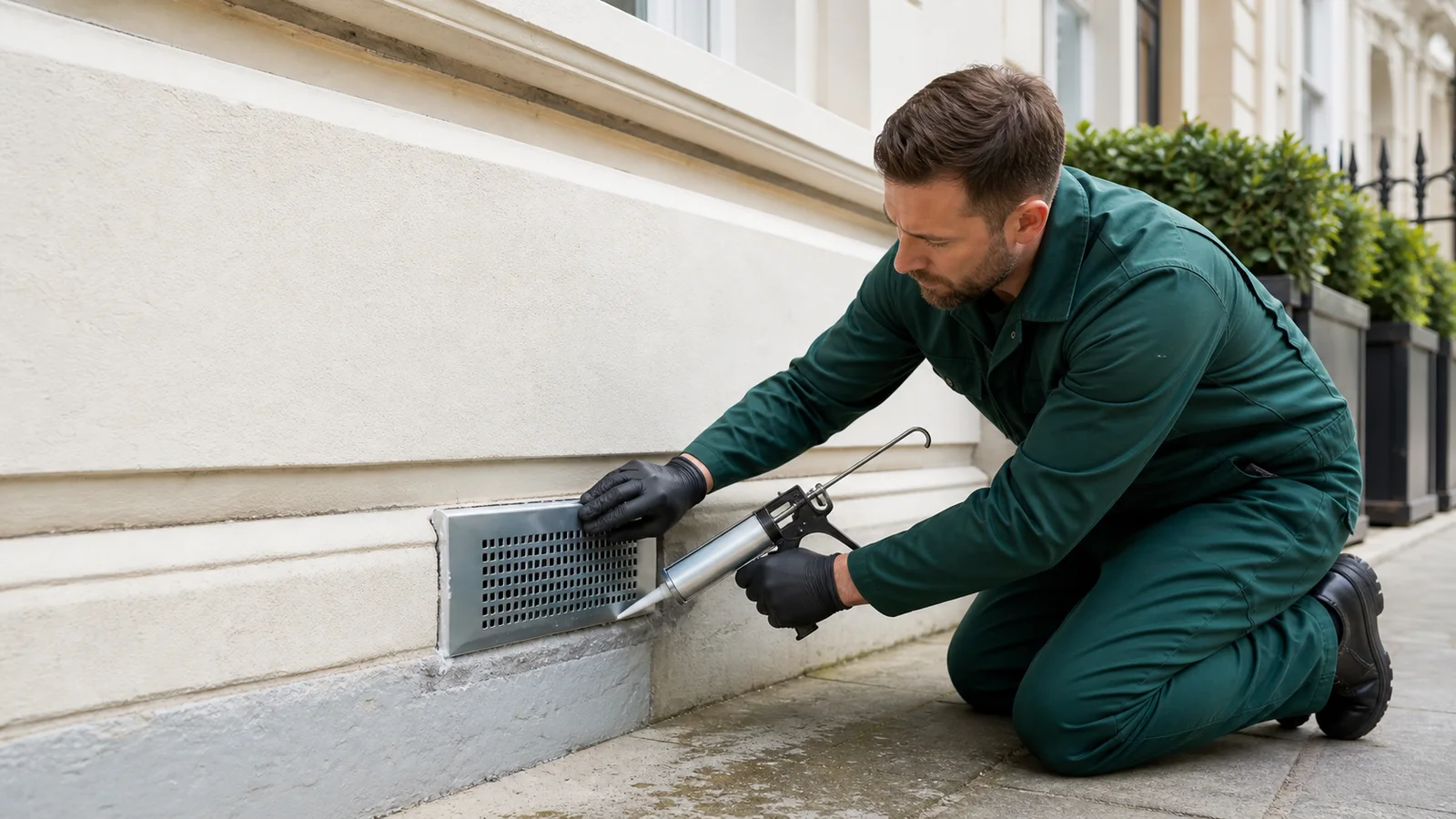
Pest proofing · London
Close practical routes into the property.
Pest proofing focuses on gaps, openings and building details that pests may use. We identify useful priorities and explain which repairs can support long-term control.
- Practical access-point assessment
- Priorities explained in plain English
- Advice for homes, landlords and businesses
A CLEAR FIRST STEP
Useful answers before any work begins.
Proofing is most useful when it responds to real evidence. Sealing every visible crack without understanding pest movement can waste time or trap activity in the wrong place. We start with the routes most likely to matter.
When you contact All Pests Gone, start with the simple facts: what you have seen, where it happened, when it started and whether the property is a home or a business. You do not need to diagnose the problem yourself. We use those details to understand the likely risk, decide whether an inspection is needed and explain the next sensible step. This keeps the conversation practical and avoids promises before the property has been properly assessed.
WHAT YOU CAN EXPECT
A service built around the property.
Practical access-point assessment
We explain what this means for your booking, what information is useful and what the next practical action should be.
Priorities explained in plain English
We explain what this means for your booking, what information is useful and what the next practical action should be.
Advice for homes, landlords and businesses
We explain what this means for your booking, what information is useful and what the next practical action should be.
THE DETAILS THAT MATTER
What the service includes
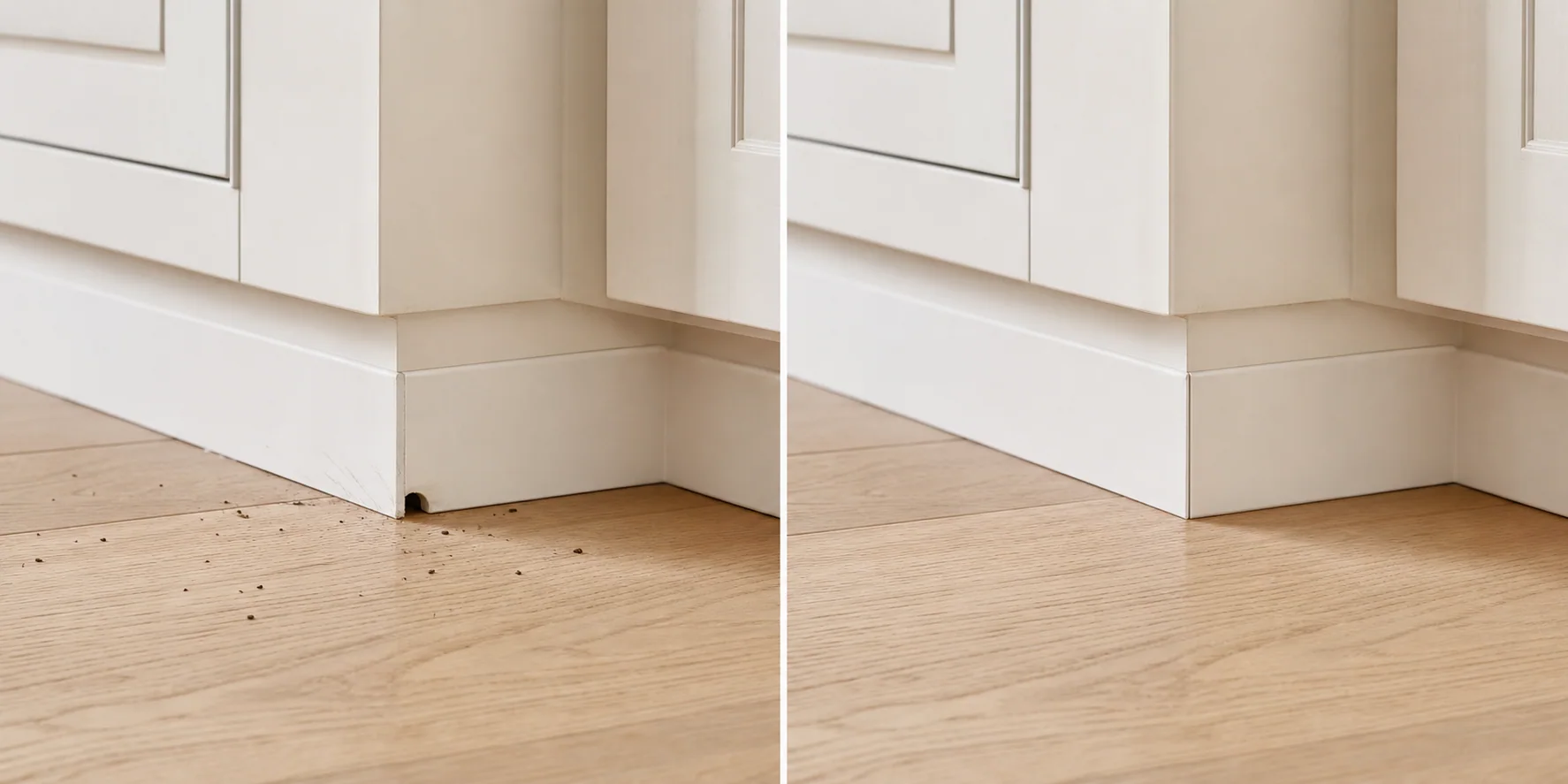
A proofing assessment can cover gaps around pipes, doors, vents, roof edges, service entries and damaged building fabric. Work offered depends on safe access, material suitability and whether another trade is better placed to complete the repair.
The service is shaped around the building, the level of activity and the way the space is used. A flat above a restaurant may need a different approach from a detached house, an office or a managed block. We look at the areas connected to the problem, not only the first place where activity was noticed. Where useful, we explain treatment choices, access requirements, preparation, likely follow-up and practical work that may reduce the chance of the same issue returning.
What we look for
We look for openings that match the size, behaviour and location of the pest. Marks, droppings, grease, gnawing and repeated sightings can help show whether a gap is active or simply a harmless feature of the building.
HOW IT WORKS
Simple steps. Clear communication.
Before the visit
Make the relevant edges of rooms, cupboards, plant areas or external walls accessible where possible. Tell us about planned building work, leaks, ventilation concerns or access controlled by a landlord or freeholder.
During the visit
The technician checks the condition and surroundings of each priority point before recommending closure. Ventilation, drainage, cables and moving building parts must continue to work safely after proofing.
The service plan
Proofing can support treatment, but it is not always a substitute for treatment. Active pests may need to be controlled and monitored before important routes are sealed. The correct order depends on the species and situation.
After the work
Inspect completed areas occasionally and deal with water damage, movement or wear that may reopen gaps. Keep nearby storage tidy enough to make new evidence visible. Report fresh gnawing or disturbance promptly.
LOCAL KNOWLEDGE
For London homes and businesses
Older brickwork, conversions, extensions and shared services make London proofing highly property-specific. Responsibility for an opening may sit with the occupier, landlord, managing agent, freeholder or commercial building manager.
London properties often share walls, drains, roof spaces, service routes or waste areas. That means activity may be connected to a neighbouring space or a part of the building that one occupier cannot access. We explain what can be addressed during your visit and what may need permission from a landlord, managing agent, freeholder or neighbouring business. For commercial premises, we can discuss access, customer-facing areas, staff awareness and sensible timing so the response fits day-to-day operations.
CLEAR EXPECTATIONS
Pricing and practical next steps
Proofing is priced around the number of points, materials, access and time required. High work, specialist ventilation, roofing, drainage and major building repairs may require a separate contractor.
The final price depends on the pest, property, affected areas, access, preparation, treatment method and number of visits. We explain the likely scope before work starts and point out factors that could change it. No responsible pest-control company can guarantee that every problem will disappear immediately or that pests can never return. What we can provide is a clear assessment, work based on the evidence and practical advice that helps you make informed decisions about the property.
STRAIGHT ANSWERS
Questions customers often ask.
When should I call?
Consider proofing after repeated rodent activity, bird access, gaps found during an inspection or building work that has created new service openings. It is especially useful when the same route is supported by clear evidence. Call promptly if there is a risk to people, food, customers or occupied rooms.
Do I need to identify the pest?
No. Describe what you have seen, heard or found and tell us where it happened. We will ask focused questions and explain whether an inspection is the right first step.
How should I prepare?
Make the relevant edges of rooms, cupboards, plant areas or external walls accessible where possible. Tell us about planned building work, leaks, ventilation concerns or access controlled by a landlord or freeholder. Tell us about children, pets, vulnerable occupants and food areas before work begins.
Is one visit always enough?
Not always. The pest, building, level of activity and access determine whether monitoring or follow-up is needed. We explain the expected scope before work starts.
PESTS OUT. PEACE IN.
Talk to the London team.
Tell us what you have noticed and share your postcode. We will explain the most useful next step for pest proofing.