
BLACKHEATH · PEST CONTROL
Pest Control Blackheath
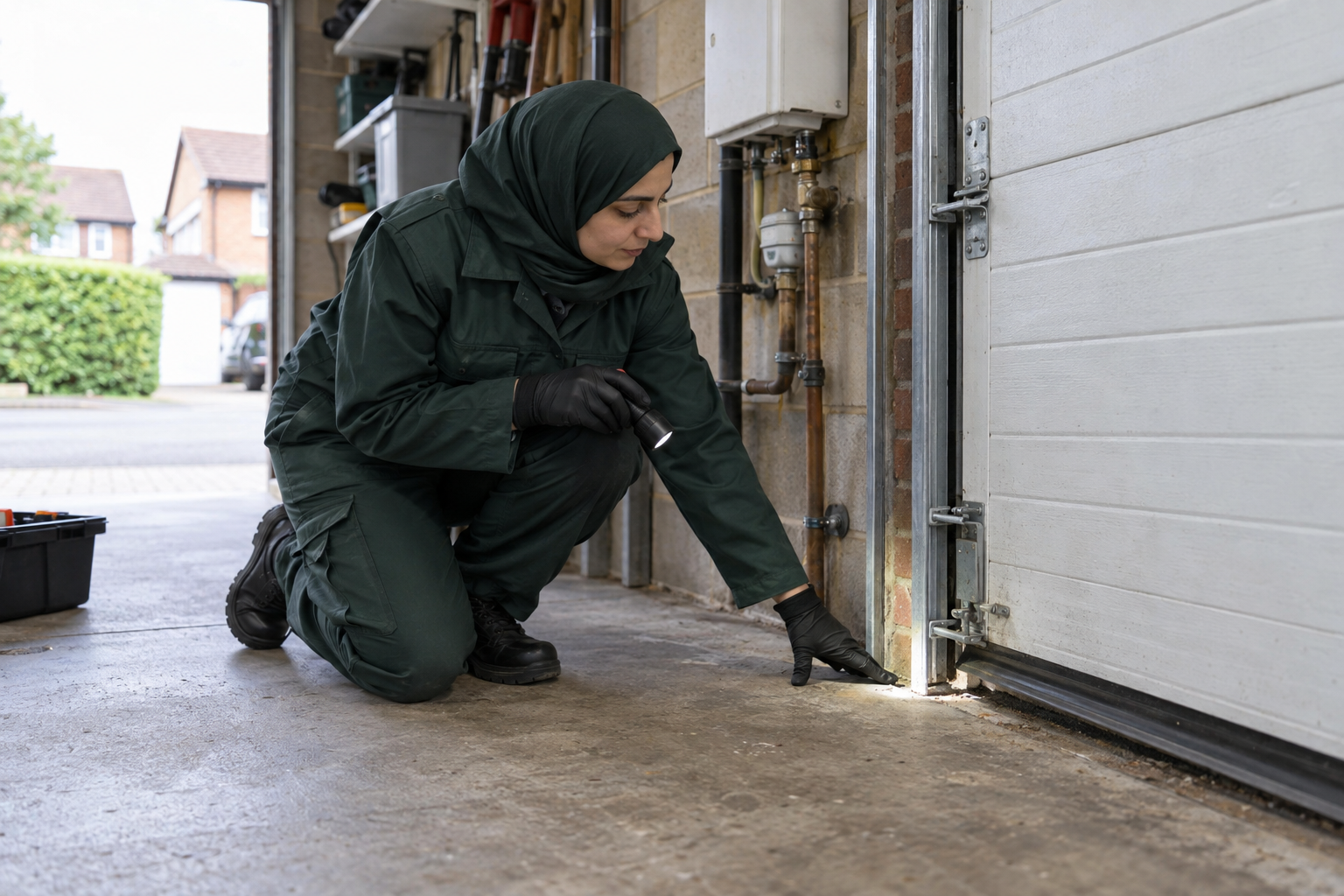
Scratching beneath a suspended floor and droppings in a cellar can share a route, but sound alone does not identify the animal or entry point. In Blackheath, we inspect the lower-ground evidence, compare accessible air bricks, doors and services and monitor active movement before permanent proofing begins.
- Cellar evidence mapped before floor assumptions
- Ventilation preserved during proofing
- Drainage referred only where signs support it
LOCAL CONTEXT
Connect cellar signs with the room above
Blackheath is a south-east London district with houses, converted properties, flats and local shops or hospitality premises. Older and newer building forms create different access questions without proving pest presence. This page focuses on fresh rodent signs in a cellar below a living room where intermittent sound is also reported. We inspect droppings, gnawing, storage edges and utility entries inside the cellar, then compare the sound position with accessible floor junctions. Air bricks are checked for condition while their ventilation function is protected. A garden sighting does not prove the cellar route, and drainage is considered only when recurrence and location make it plausible. Monitoring can show whether movement remains below ground or reaches the floor void. Control points are secured away from stored goods, children and pets. Damp, failed drains, rotten timber or extensive masonry require appropriate specialist repair. Contextual links lead to rat control, mice control and ventilation-safe proofing.
What the inspection needs to establish
The cellar shelf or wall holding fresh droppings Utility entries passing through lower walls Door thresholds aligned with smears or tracks Air bricks checked without blocking airflow Accessible floor edges beneath the reported room Drain evidence only when position and recurrence support it
- The cellar shelf or wall holding fresh droppings
- Utility entries passing through lower walls
Prepare the relevant access
Leave the newest cellar sign visible where safe and photograph its location before cleaning. Create a stable walking route without moving boxes into living rooms. Keep air bricks open, do not pour poison into drains and report damp, sewage odour, recent plumbing or earlier proofing. Secure pets and arrange access to any locked lower store.
Can the cellar be treated without lifting floorboards?
Yes when accessible evidence supports a workable route; invasive access needs a specific reason.
When the response should move faster
Prompt advice is appropriate if a rodent enters living rooms, contaminates stored food or damages cellar wiring. Avoid entering an unsafe flooded or structurally unstable cellar. Sewage, exposed electrics and serious damp-related building defects require the relevant emergency or specialist contractor.
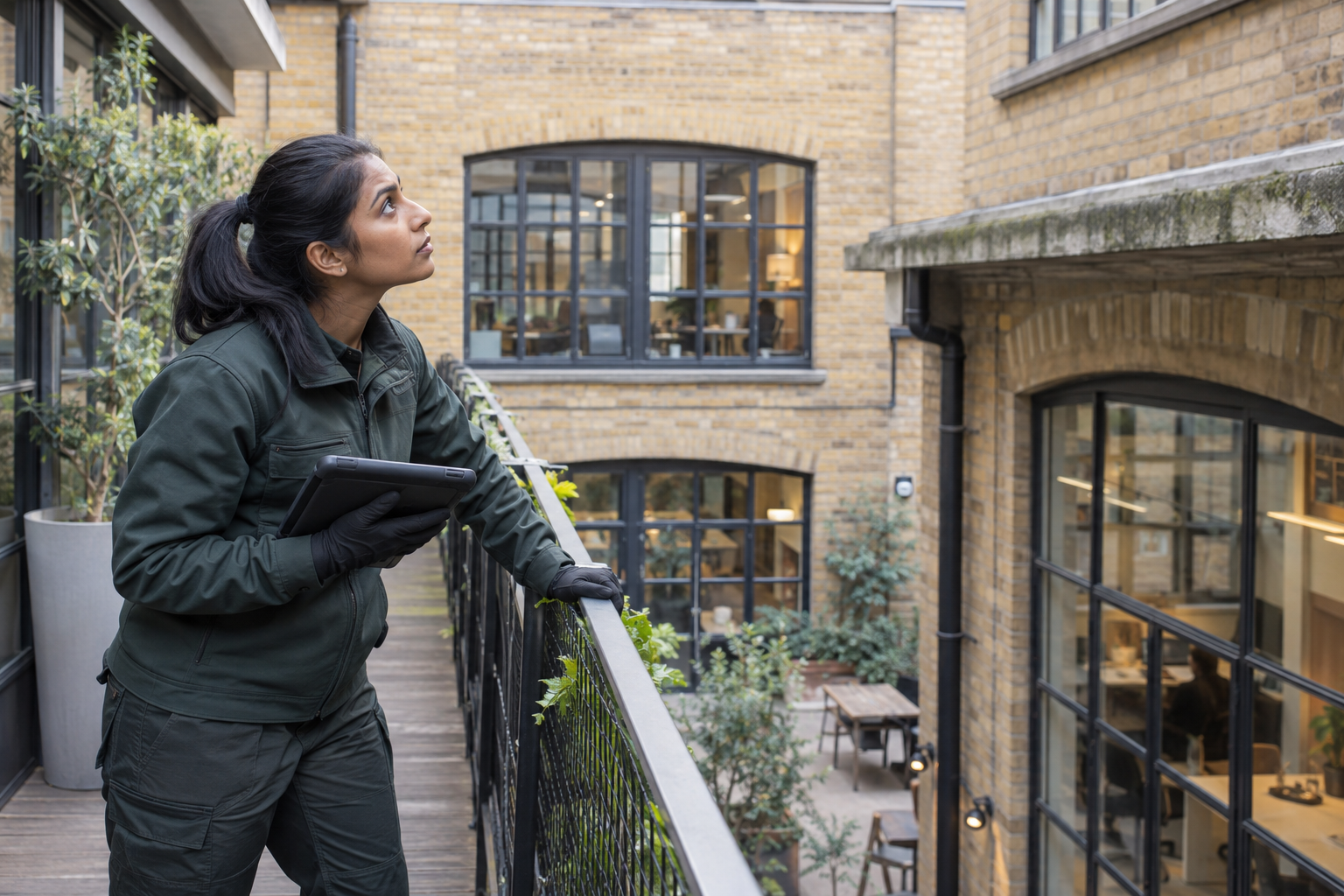
Inspect lower services without blocking ventilation
Air bricks checked without blocking airflow
Accessible floor edges beneath the reported room
Drain evidence only when position and recurrence support it
Control matched to the evidence
Rats
Larger droppings and strong gnawing guide lower access and possible drainage checks.
Mice
Fine signs along storage or services require smaller-route monitoring.
Squirrels
Upper roof noise is a separate loft investigation, not an explanation for cellar evidence.
Cockroaches
Warm, damp lower areas are inspected after species identification.
Wasps
A nest near a cellar light well needs a safe flight-line assessment.
Test movement across two levels
Fix the cellar baseline
Fresh physical signs define the first active area.
Compare the room above
Sound position and accessible floor edges are checked against lower tracks.
Inspect ventilation and services
Openings are assessed without compromising airflow or utilities.
Test the route with monitoring
Fixed points distinguish cellar-only movement from floor-void access.
Control current activity
Secured measures suit storage and household use.
Assign specialist defects
Drainage, damp or structural work goes to the relevant contractor.
Review both levels
New evidence determines whether proofing scope should change.
A lower-ground route measured across two levels
Before
Cellar signs and living-room sound are assumed to share a path without proof.
Work
Physical evidence, floor junctions and fixed monitors test whether movement crosses the boundary.
After
Fresh signs reveal whether the route remains below or reaches the void; the review makes no permanent guarantee.
Current starting prices
Separate control from drainage and masonry
| Service | Starting price | Scope factors |
|---|---|---|
| Pest inspection | From £62 | Property, access and areas inspected |
| Wasp treatment | From £89 | Nest position, height and safe access |
| Rodent control | From £184 | Activity, monitoring and visits |
| Bed bug control | From £204 | Rooms, preparation and method |
| Squirrel control | From £273 | Loft access, visits and proofing |
Final scope can change with access, activity, property size, treatment method, specialist equipment and the number of visits. Confirm the current price and inclusions before booking.
Practical local answers
Should an air brick be covered completely?
No. Any pest-resistant protection must preserve required ventilation.
Does damp prove rats came through a drain?
No. Moisture and rodent entry need separate evidence.
Can stored boxes remain?
Yes if a safe inspection path exists and suspect items are not moved into clean rooms.
Nearby coverage
Related services
Questions before booking
Why can Blackheath floor noise seem distant from cellar signs?
Suspended floors and service voids transmit sound, so apparent position may differ from the active route.
How are old cellar droppings separated from new activity?
Cleaning records, condition and monitored reappearance are assessed together.
Can every masonry gap be filled at once?
No. Active movement, ventilation, services and material suitability determine priority.
When is a drain camera survey justified?
Recurring rat evidence near relevant lower services can support specialist investigation after ordinary openings are checked.
What should happen to contaminated cellar storage?
Record the position, then handle and dispose of affected material using suitable hygiene precautions.
Blackheath lower-ground answers
Pest control in Blackheath for houses, flats and local businesses. Cellar rodent inspection, evidence-led monitoring and practical proofing advice.
Call 020 3318 2099