
Review cable condition
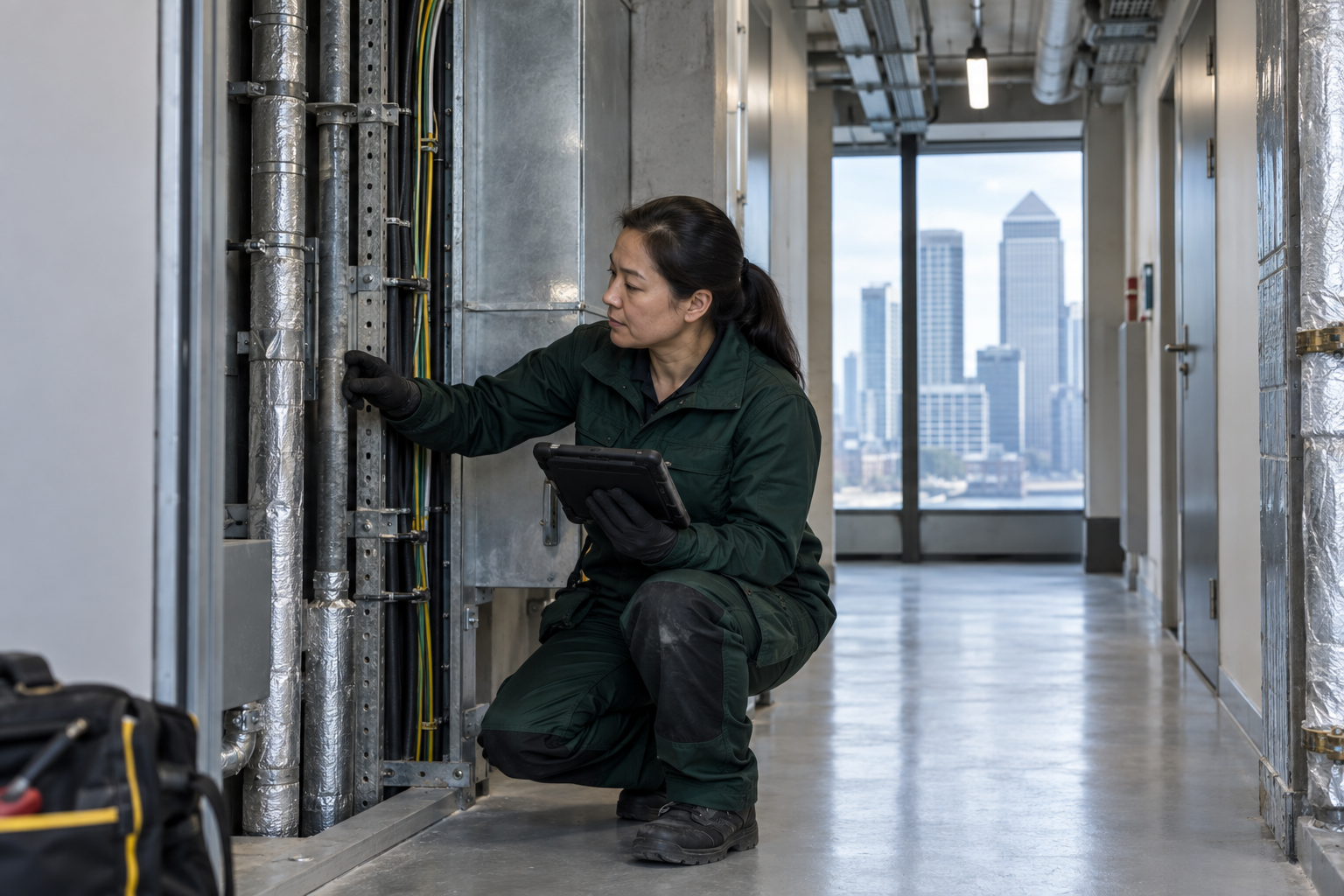
Suspected electrical damage is separated for installer assessment.
CHISWICK · SOLAR-ROOF SQUIRREL CHECK
Seeing squirrels near solar panels does not confirm that they entered the loft. We inspect accessible roof-space evidence, compare noise with panel edges and identify whether cabling or insulation is damaged. Pest removal comes before exclusion, while any panel lifting or electrical work remains coordinated with qualified solar contractors.
Suspected electrical damage is separated for installer assessment.
Visible fascia and panel-edge routes are noted without climbing unsafely.
LOCAL CONTEXT
Chiswick includes houses, flats and local businesses. At this home, the panel array, loft hatch and tree-to-roof route define inspection. We do not assume entry merely from outside squirrel activity. The occupant marks the ceiling bay and records whether movement occurs by day or after dark. Safe loft inspection looks for fresh gnawing, displaced insulation, droppings and nesting material beneath the reported position. Solar cabling is viewed without disturbing live equipment, and panel removal is reserved for the installer. Ground-level observation can identify a plausible eave or panel-edge route, but high access requires suitable equipment. Bird nesting status is considered before exclusion, while squirrel control must precede closure of an occupied opening. Follow-up compares sound, internal disturbance and the condition of any authorised repair rather than treating a quiet afternoon as proof.
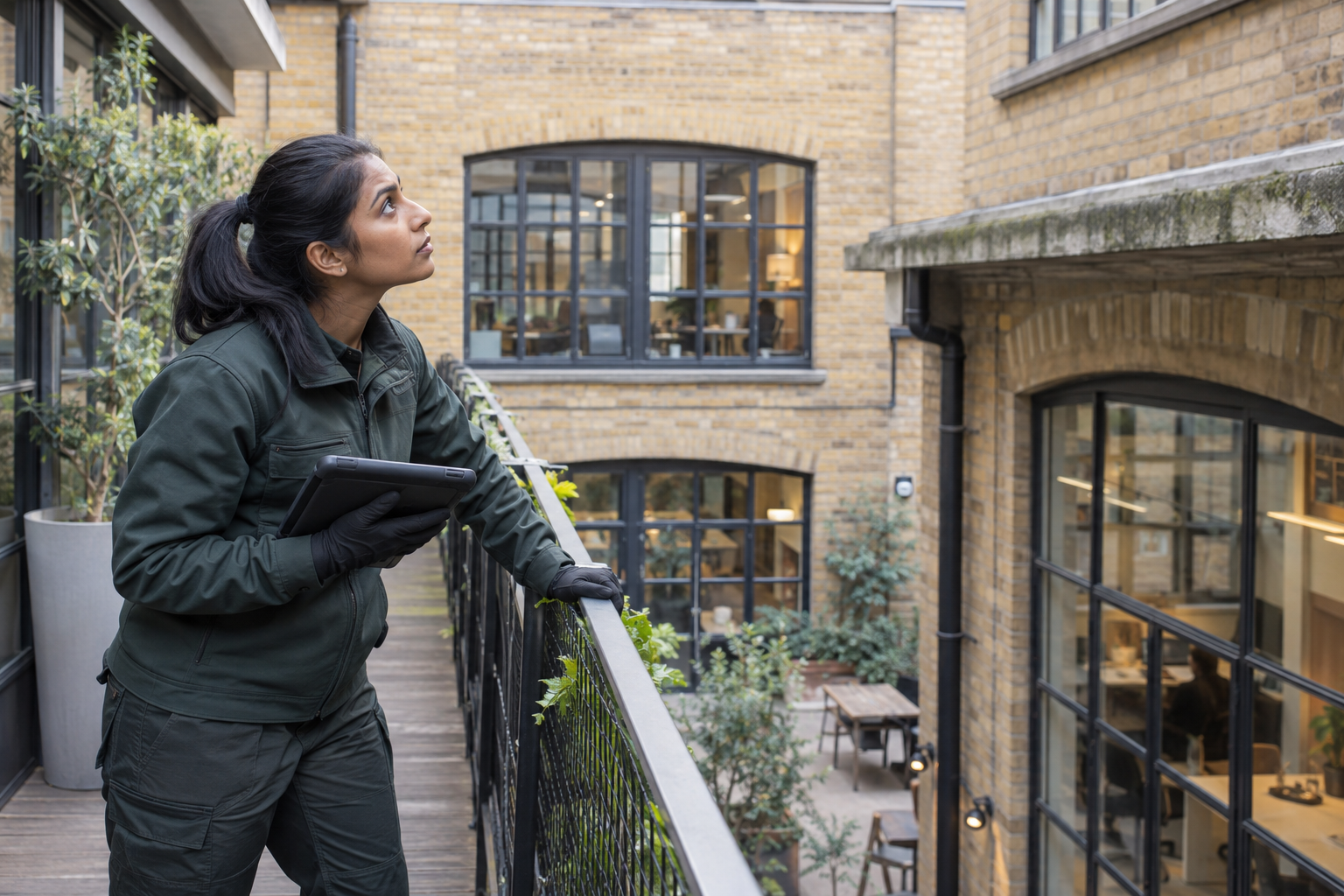
The technician observes safe exterior views and then checks accessible insulation, timber and cable routes below.
Record sound times, clear safe hatch access and provide the panel layout or installer contact. Do not lift modules, energise damaged circuits or block roof edges. Photograph outside movement only from ground or a safe window.
Not until internal occupation and escape risk have been assessed.
If lights trip, wiring is exposed or burning smells occur, switch to the property emergency procedure and contact a qualified electrician. Do not enter the roof to chase an animal.
Confirmed loft occupation requires controlled removal before robust exclusion around the active entry.
Smaller signs near cables may represent an independent service route.
Heavier roof evidence must be traced through lower building access rather than presumed.
Panel-edge flight can indicate a nest and needs separate species treatment.
Reports are aligned with the array.
Physical evidence confirms internal use.
Cable concerns go to a competent installer.
A lawful method addresses confirmed animals.
Fresh disturbance is reviewed.
Panel guards and roof repairs follow safe access planning.
Squirrels use the roof, but the household cannot tell whether sound comes from panels or inside insulation.
Loft evidence and panel alignment are compared, control addresses confirmed occupation and contractors receive access notes.
Noise logs and fresh internal disturbance are reviewed before exclusion. Quietness plus unchanged loft points supports closure; outside squirrels may remain visible and are not proof of treatment failure.
Cost depends on loft access and control visits; solar-panel removal, guarding or electrical repair is separately quoted.
| Service | Starting price | Scope factors |
|---|---|---|
| Pest inspection | From £62 | Property, access and areas inspected |
| Wasp treatment | From £89 | Nest position, height and safe access |
| Rodent control | From £184 | Activity, monitoring and visits |
| Bed bug control | From £204 | Rooms, preparation and method |
| Squirrel control | From £273 | Loft access, visits and proofing |
Final scope can change with access, activity, property size, treatment method, specialist equipment and the number of visits. Confirm the current price and inclusions before booking.
No, electrical and module work belongs to qualified solar professionals.
Pruning is considered only as part of the evidenced access plan.
Gnawing is possible, but actual cable condition requires competent electrical inspection.
Poor design can create welfare problems, so installation must preserve safe exclusion.
Vibration can transmit noise, making interior evidence important.
They may support observation but cannot always show hidden insulation damage.
After clearance evidence, robust installation and subsequent integrity review.
Installer records and loft evidence keep each trade in the right role.
Arrange a solar-roof check