

Pigeon control · London
Practical pigeon deterrence for London buildings.
Pigeon fouling and nesting can affect entrances, roofs, balconies and working areas. We assess the pressure, building features and safe access before recommending options.
- Assessment of nesting and roosting pressure
- Building-specific deterrent advice
- Support for homes and businesses
A CLEAR FIRST STEP
Useful answers before any work begins.
Pigeon control starts by understanding why birds use a particular ledge, roof or sheltered space. Food, nesting opportunity and repeated shelter all influence the solution.
When you contact All Pests Gone, start with the simple facts: what you have seen, where it happened, when it started and whether the property is a home or a business. You do not need to diagnose the problem yourself. We use those details to understand the likely risk, decide whether an inspection is needed and explain the next sensible step. This keeps the conversation practical and avoids promises before the property has been properly assessed.
WHAT YOU CAN EXPECT
A service built around the property.
Assessment of nesting and roosting pressure
We explain what this means for your booking, what information is useful and what the next practical action should be.
Building-specific deterrent advice
We explain what this means for your booking, what information is useful and what the next practical action should be.
Support for homes and businesses
We explain what this means for your booking, what information is useful and what the next practical action should be.
THE DETAILS THAT MATTER
What the service includes
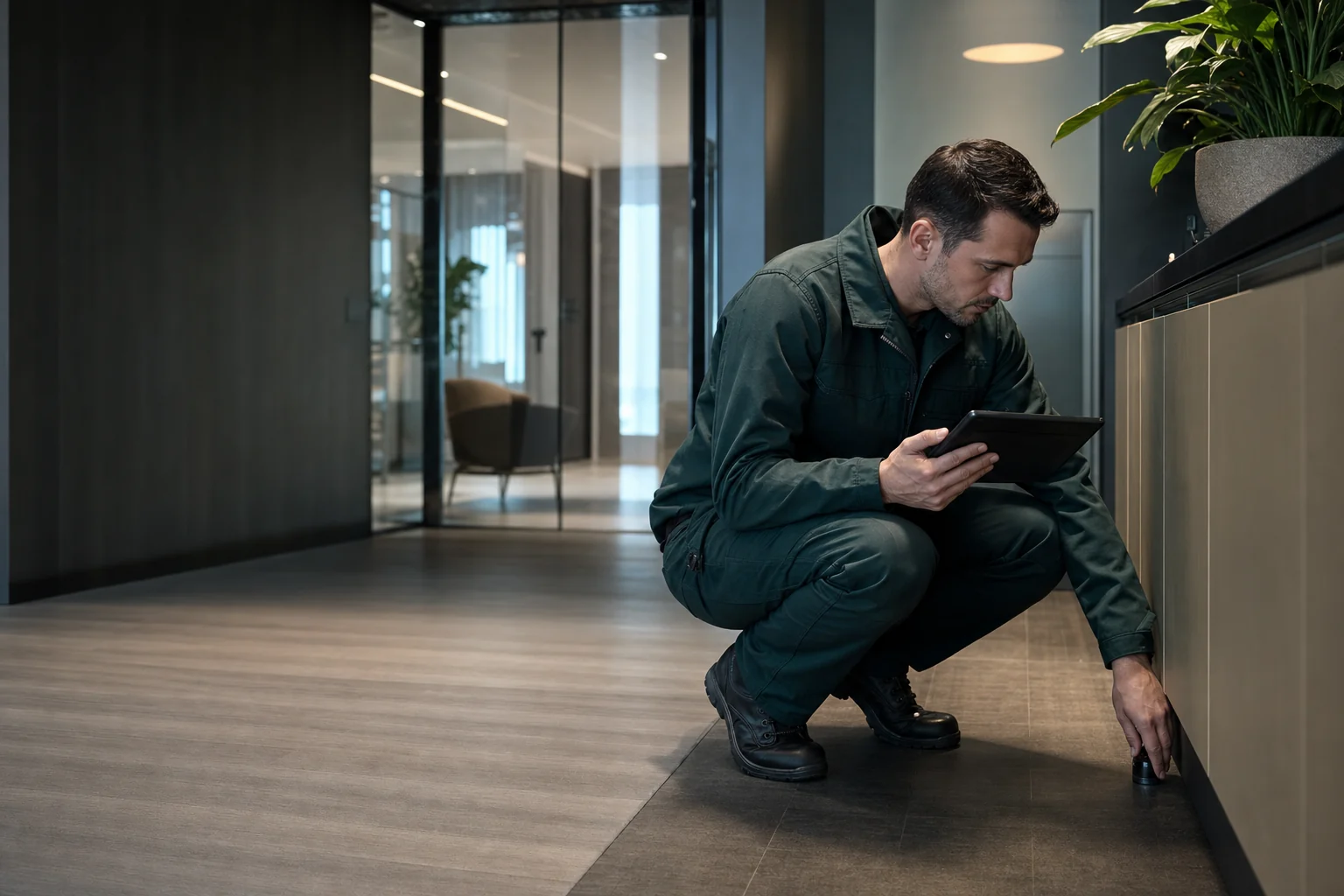
An assessment can cover roosting points, nests, fouling, access and nearby food sources, followed by advice on deterrents, exclusion and cleaning needs.
The service is shaped around the building, the level of activity and the way the space is used. A flat above a restaurant may need a different approach from a detached house, an office or a managed block. We look at the areas connected to the problem, not only the first place where activity was noticed. Where useful, we explain treatment choices, access requirements, preparation, likely follow-up and practical work that may reduce the chance of the same issue returning.
What we look for
We look for repeated landing, nesting material, fresh fouling, feathers and sheltered ledges. The pattern shows which parts of the building need priority.
HOW IT WORKS
Simple steps. Clear communication.
Before the visit
Provide safe access information, building plans where useful and details of any roof restrictions. Do not disturb active nests without checking legal responsibilities.
During the visit
The technician assesses from safe positions and explains where specialist access may be needed. Not every roof or facade can be treated during a standard visit.
The service plan
Options may include proofing, netting, spikes or other deterrents chosen for the building. Installation must avoid trapping birds or moving the issue to a worse location.
After the work
Maintain installed systems, keep food waste controlled and arrange safe cleaning of fouling where needed. Damaged proofing should be repaired promptly.
LOCAL KNOWLEDGE
For London homes and businesses
Dense buildings, railway structures, food businesses and shared roofs create persistent pigeon pressure. Permission may be needed from owners, freeholders or managers.
London properties often share walls, drains, roof spaces, service routes or waste areas. That means activity may be connected to a neighbouring space or a part of the building that one occupier cannot access. We explain what can be addressed during your visit and what may need permission from a landlord, managing agent, freeholder or neighbouring business. For commercial premises, we can discuss access, customer-facing areas, staff awareness and sensible timing so the response fits day-to-day operations.
CLEAR EXPECTATIONS
Pricing and practical next steps
Costs depend on access, length of ledges, chosen system and cleaning. Scaffolding, lifts and specialist installation are normally separate factors.
The final price depends on the pest, property, affected areas, access, preparation, treatment method and number of visits. We explain the likely scope before work starts and point out factors that could change it. No responsible pest-control company can guarantee that every problem will disappear immediately or that pests can never return. What we can provide is a clear assessment, work based on the evidence and practical advice that helps you make informed decisions about the property.
STRAIGHT ANSWERS
Questions customers often ask.
When should I call?
Seek advice when fouling affects entrances, ventilation, stock or customer areas, or when birds are nesting inside a roof or commercial space. Call promptly if there is a risk to people, food, customers or occupied rooms.
Do I need to identify the pest?
No. Describe what you have seen, heard or found and tell us where it happened. We will ask focused questions and explain whether an inspection is the right first step.
How should I prepare?
Provide safe access information, building plans where useful and details of any roof restrictions. Do not disturb active nests without checking legal responsibilities. Tell us about children, pets, vulnerable occupants and food areas before work begins.
Is one visit always enough?
Not always. The pest, building, level of activity and access determine whether monitoring or follow-up is needed. We explain the expected scope before work starts.
PESTS OUT. PEACE IN.
Talk to the London team.
Tell us what you have noticed and share your postcode. We will explain the most useful next step for pigeon control.