
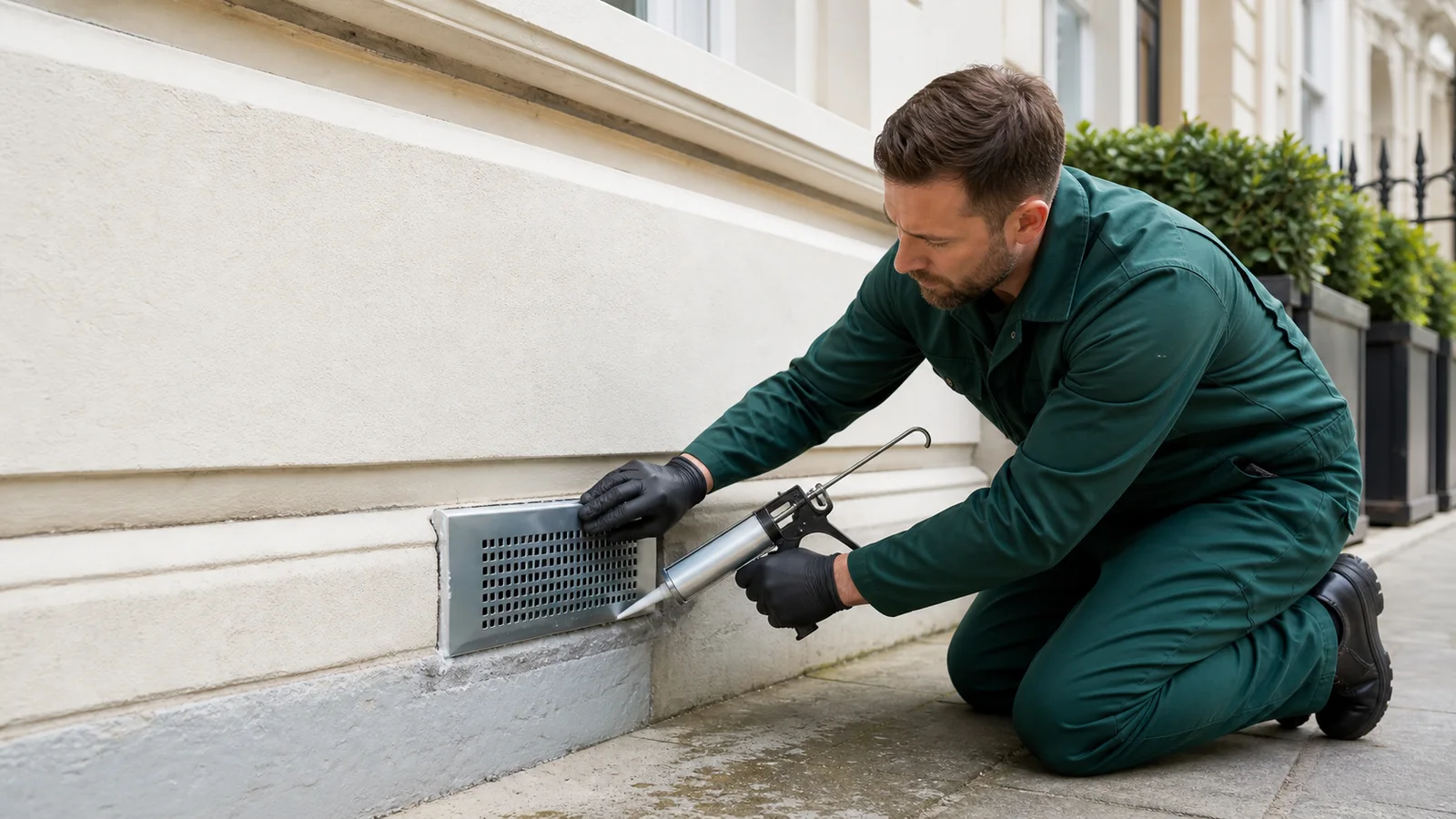
Squirrel control · London
Investigate squirrel activity in roofs and lofts.
Squirrels in a roof space can damage insulation, stored items and wiring. We assess the signs, access points and building layout before recommending control.
- Loft and roof activity assessment
- Checks for entry routes and damage
- Control options explained clearly
A CLEAR FIRST STEP
Useful answers before any work begins.
Heavy movement in daylight, gnawing and disturbed insulation can suggest squirrel activity, but roof noises can also come from birds, rodents or building movement.
When you contact All Pests Gone, start with the simple facts: what you have seen, where it happened, when it started and whether the property is a home or a business. You do not need to diagnose the problem yourself. We use those details to understand the likely risk, decide whether an inspection is needed and explain the next sensible step. This keeps the conversation practical and avoids promises before the property has been properly assessed.
WHAT YOU CAN EXPECT
A service built around the property.
Loft and roof activity assessment
We explain what this means for your booking, what information is useful and what the next practical action should be.
Checks for entry routes and damage
We explain what this means for your booking, what information is useful and what the next practical action should be.
Control options explained clearly
We explain what this means for your booking, what information is useful and what the next practical action should be.
THE DETAILS THAT MATTER
What the service includes
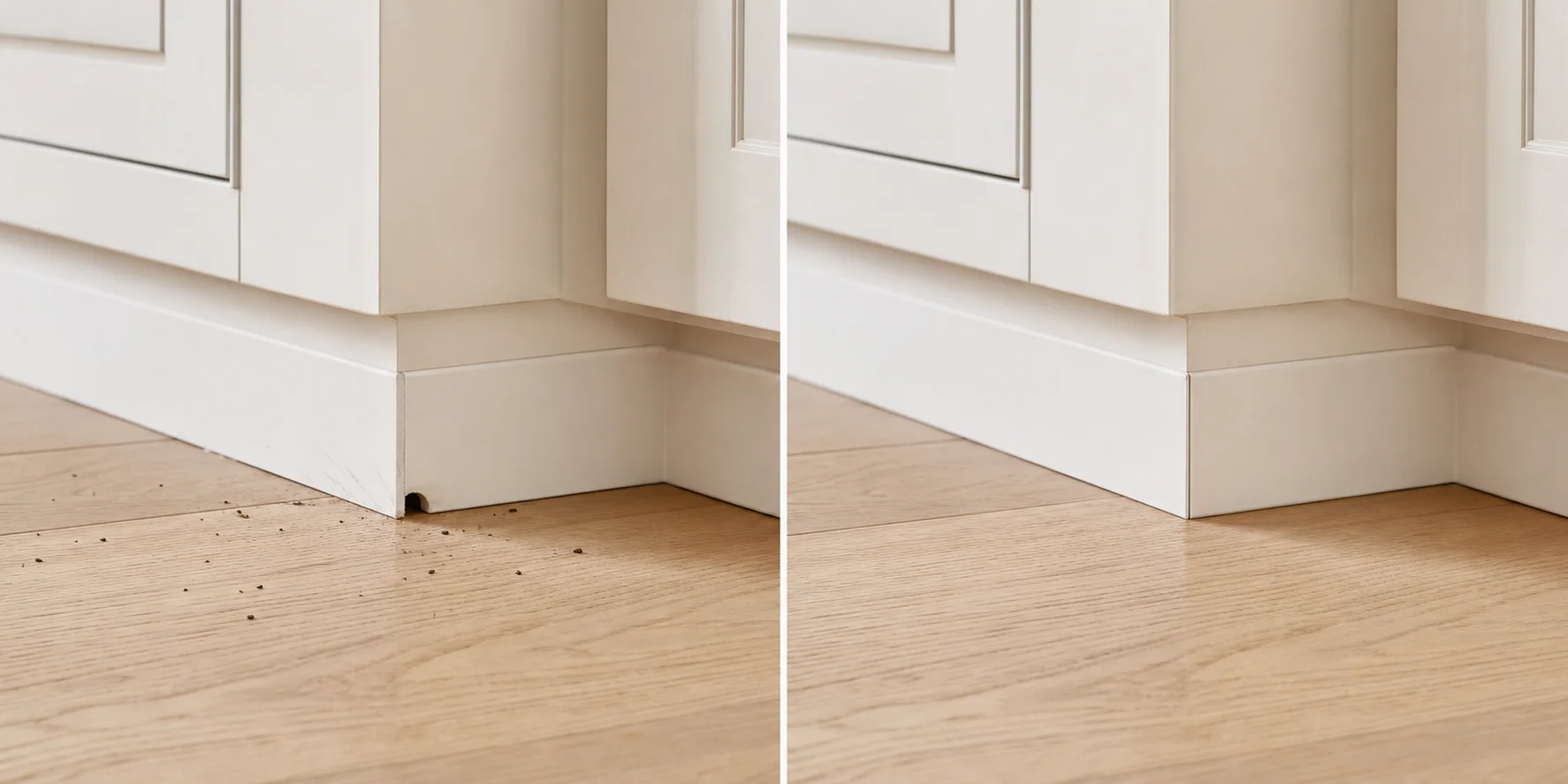
The service may include inspection of accessible loft areas, checks around roof edges and likely routes, control planning, monitoring and proofing advice.
The service is shaped around the building, the level of activity and the way the space is used. A flat above a restaurant may need a different approach from a detached house, an office or a managed block. We look at the areas connected to the problem, not only the first place where activity was noticed. Where useful, we explain treatment choices, access requirements, preparation, likely follow-up and practical work that may reduce the chance of the same issue returning.
What we look for
We look for larger droppings, gnawed timber or cables, compressed insulation, nesting material and openings near fascia, soffits, tiles or branches.
HOW IT WORKS
Simple steps. Clear communication.
Before the visit
Arrange safe loft access, remove obstacles around the hatch and tell us about electrical concerns, water tanks, fragile ceilings or previous roof work.
During the visit
The technician identifies active zones and assesses whether access is safe. Exterior observations may be needed to connect internal signs with roof-level entry points.
The service plan
Control and proofing must be correctly sequenced. Closing a route while an animal remains inside can create welfare, damage and access problems.
After the work
Monitor for fresh sounds, complete recommended repairs and trim or manage access routes where appropriate. Check repaired areas after storms or roof work.
LOCAL KNOWLEDGE
For London homes and businesses
Mature trees, connected roofs and converted lofts can let squirrels move between properties. Neighbouring access and ownership may affect the solution.
London properties often share walls, drains, roof spaces, service routes or waste areas. That means activity may be connected to a neighbouring space or a part of the building that one occupier cannot access. We explain what can be addressed during your visit and what may need permission from a landlord, managing agent, freeholder or neighbouring business. For commercial premises, we can discuss access, customer-facing areas, staff awareness and sensible timing so the response fits day-to-day operations.
CLEAR EXPECTATIONS
Pricing and practical next steps
Pricing depends on loft access, monitoring, number of visits and proofing. High exterior repairs or electrical damage require appropriate specialist trades.
The final price depends on the pest, property, affected areas, access, preparation, treatment method and number of visits. We explain the likely scope before work starts and point out factors that could change it. No responsible pest-control company can guarantee that every problem will disappear immediately or that pests can never return. What we can provide is a clear assessment, work based on the evidence and practical advice that helps you make informed decisions about the property.
STRAIGHT ANSWERS
Questions customers often ask.
When should I call?
Call when repeated daytime movement, gnawing or damage is heard in a loft, especially if wiring, insulation or stored belongings may be affected. Call promptly if there is a risk to people, food, customers or occupied rooms.
Do I need to identify the pest?
No. Describe what you have seen, heard or found and tell us where it happened. We will ask focused questions and explain whether an inspection is the right first step.
How should I prepare?
Arrange safe loft access, remove obstacles around the hatch and tell us about electrical concerns, water tanks, fragile ceilings or previous roof work. Tell us about children, pets, vulnerable occupants and food areas before work begins.
Is one visit always enough?
Not always. The pest, building, level of activity and access determine whether monitoring or follow-up is needed. We explain the expected scope before work starts.
PESTS OUT. PEACE IN.
Talk to the London team.
Tell us what you have noticed and share your postcode. We will explain the most useful next step for squirrel control.