
Position directional monitors
Placements beside the riser and room edge help show where activity emerges.
BATTERSEA · MANAGED APARTMENT CONTROL
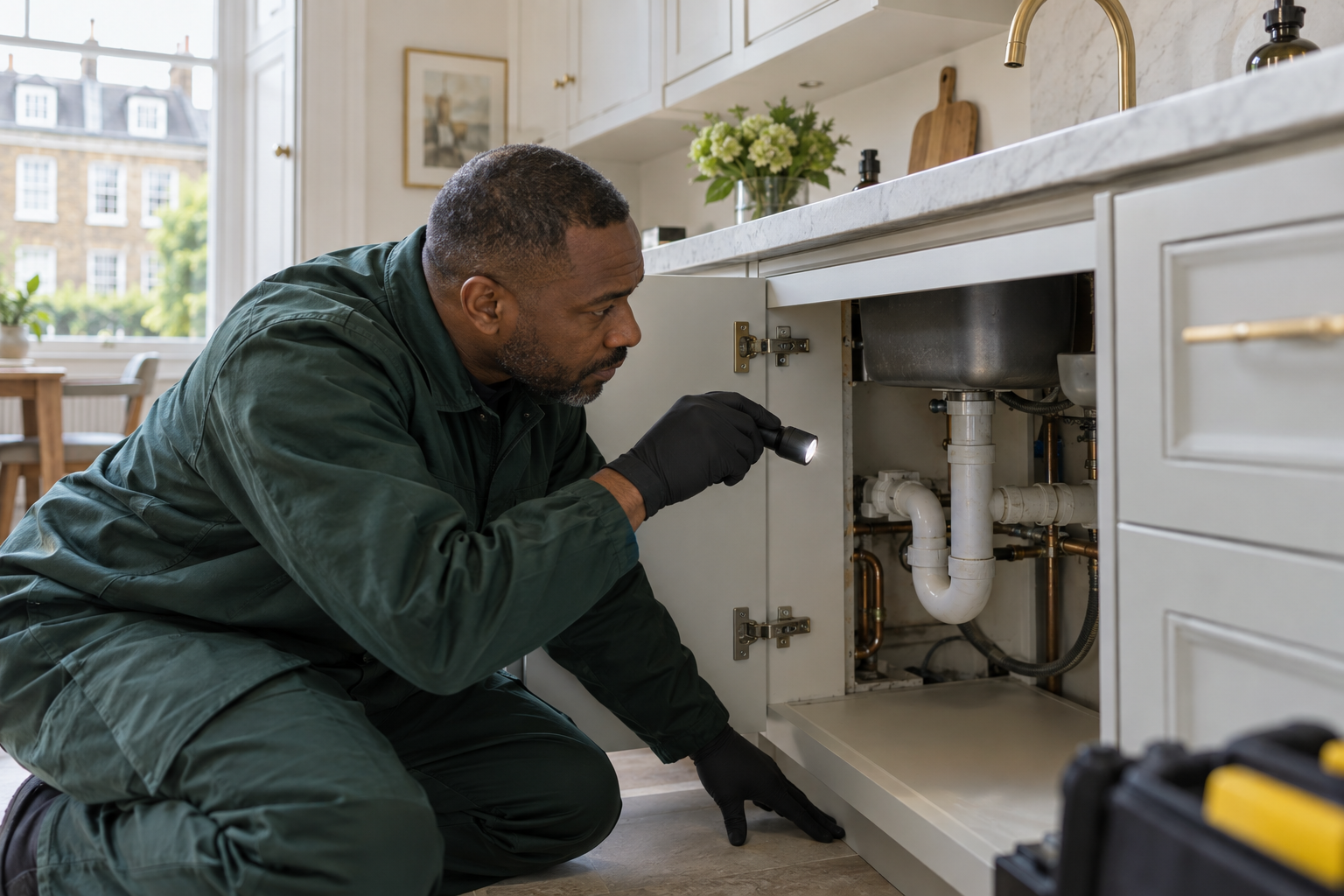
Insects inside a utility cupboard may be confined to one flat or moving along a shared service route. We identify the insect, inspect warmth and moisture around the cupboard, place monitoring that tests direction of travel and explain what building management needs to open. Treatment inside the home remains coordinated with any communal investigation.
LOCAL CONTEXT
Battersea contains terraces, estates and newer managed blocks. In this case the riser arrangement matters more than development style. The resident controls the cupboard face, while facilities may control the shaft and waste rooms. A retained insect or dropping is identified and mapped before management is asked to open communal space. Inspection covers the accessible cupboard, moisture, service sleeve and nearby appliance edges. Coded monitors can test direction without labelling another flat as affected. Household treatment remains within the authorised unit unless evidence supports a wider request. Facilities receives separate actions for leaks, riser gaps or refuse access, and cleaners are told not to move devices. Follow-up compares the same cupboard and boundary points, using fresh signs rather than general block reports.
The technician avoids treating the whole kitchen when sightings cluster elsewhere. Moisture, warmth and openings are compared within a tight survey area.
Remove personal items from the front shelf, preserve any specimen in a sealed container and report leaks to management. Do not apply aerosol into the riser or unscrew fire-stopping panels. Ask facilities to identify the person authorised to provide shaft access.
Only within authorised, safe and accessible space; protected building systems cannot be entered casually.
Contact the team promptly when live insects reach food preparation, a vulnerable resident’s room or several occupied areas. Facilities should investigate active leaks at the same time.
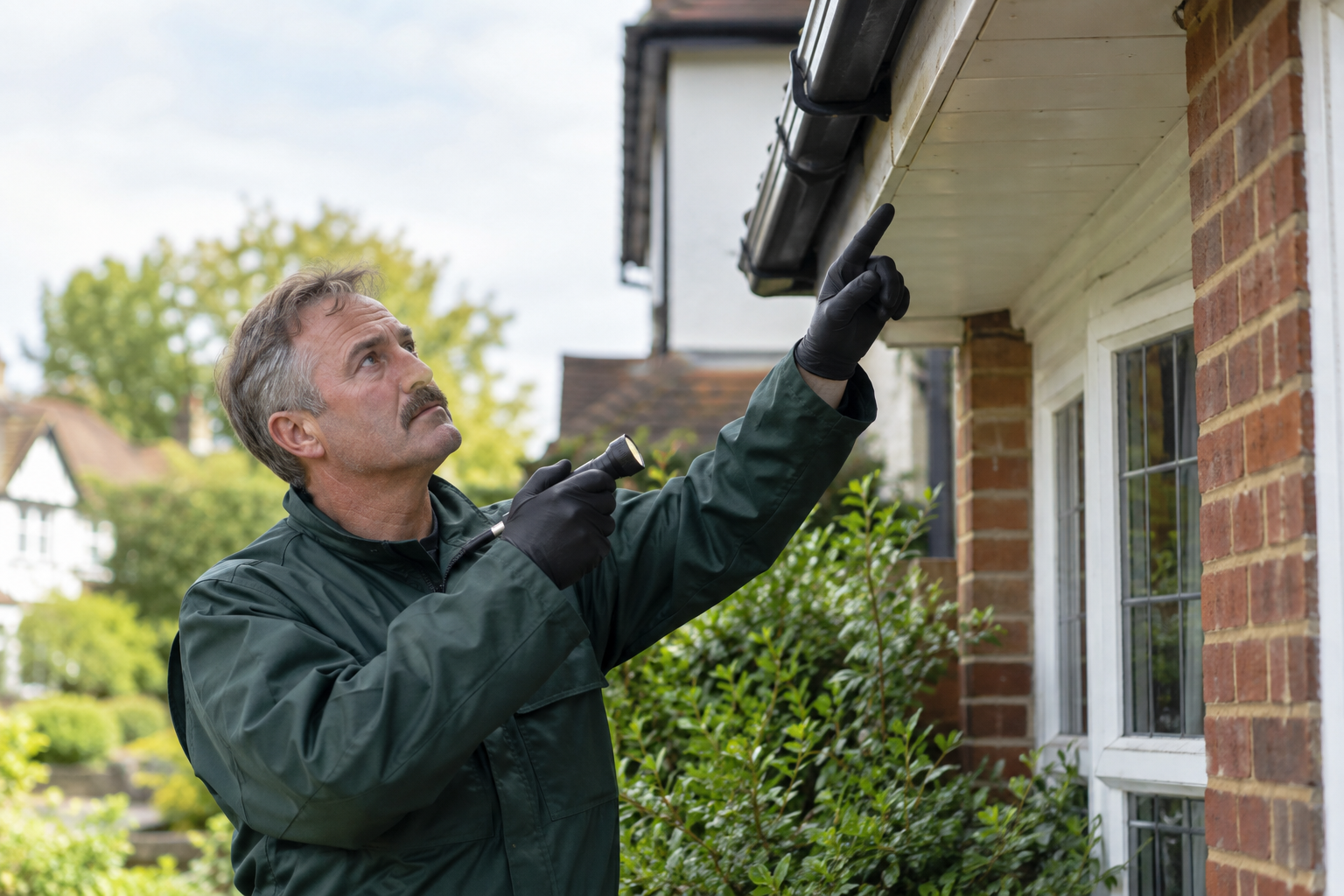
Placements beside the riser and room edge help show where activity emerges.
Facilities reports from waste or neighbouring floors are requested without assuming spread.
Gel, monitoring or another targeted method follows species, harbourage and safe placement within the flat.
Moisture-loving insects in cupboards require leak and humidity correction rather than cockroach treatment.
Droppings near a riser are mapped through service openings before proofing is requested.
Bedroom evidence is investigated independently; utility-cupboard insects do not support a bed bug conclusion.
The resident has repeated sightings in one cupboard but no evidence from adjoining rooms.
Identification, local treatment and directional monitoring create separate data for the apartment edge and service opening.
Capture location and fresh sightings reveal whether activity falls locally or continues at the shared boundary. Persistent riser-side evidence supports coordinated access, not a promise that flat treatment controls the whole building.
The insect is identified before the service route is blamed.
Cupboard, kitchen and bathroom evidence are compared.
Placement separates local harbourage from movement at the riser edge.
Accessible active points receive the suitable method.
The exact shared opening or inspection need is documented.
New captures are considered with authorised communal findings.
Management should communicate proportionately using confirmed findings rather than unverified infestation claims.
Fire-stopping and communal penetrations require the responsible building professional.
Apartment cost depends on the confirmed insect, accessible harbourage, review schedule and whether management commissions separate communal work.
| Service | Starting price | Scope factors |
|---|---|---|
| Pest inspection | From £62 | Property, access and areas inspected |
| Wasp treatment | From £89 | Nest position, height and safe access |
| Rodent control | From £184 | Activity, monitoring and visits |
| Bed bug control | From £204 | Rooms, preparation and method |
| Squirrel control | From £273 | Loft access, visits and proofing |
Final scope can change with access, activity, property size, treatment method, specialist equipment and the number of visits. Confirm the current price and inclusions before booking.
Harbourage can sit around warmth or moisture elsewhere, and monitoring tests whether that pattern is genuine.
Cleaning removes resources but does not replace identification, harbourage treatment or leak repair.
Movement through connected voids is possible, yet the actual route needs evidence before invasive work.
Record floor, unit, exact room, specimen status and date without combining unrelated reports.
No, position and monitoring period determine how much confidence a clear result provides.
Responsibility depends on agreements and ownership; pest findings do not determine the legal allocation.
Identification and exact location make the management request more useful.
Arrange an apartment visit