
Fleas
Residual treatment targets floor-level emergence while repeated vacuuming stimulates stages and removes debris.
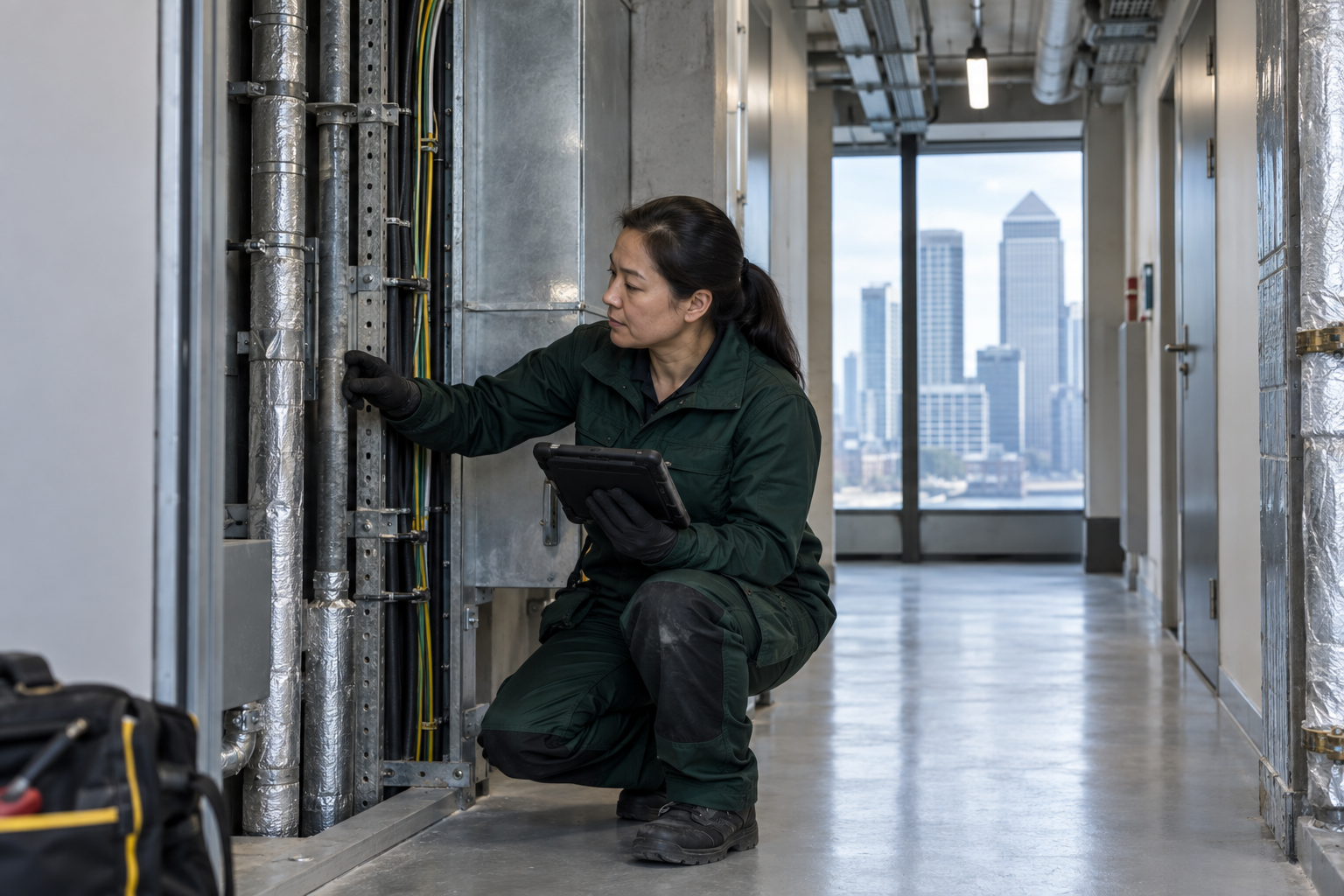
BALHAM · EMPTY-FLAT FLEA CONTROL
An empty flat can still produce flea activity after a pet has left because immature stages remain within protected floor edges. We first capture and identify the insect, review where animals rested, and inspect cracks around boards and carpets. Treatment is paired with realistic vacuuming, access and re-entry instructions for the incoming tenant.
LOCAL CONTEXT
Balham properties include terraces, conversions and retail, but this case centres on one vacant flat. Shared halls and floor voids are considered only if specimens or activity extend beyond the demised rooms. The recovered jumping insect is identified before the former pet history is used to plan treatment. Inspection covers carpet edges, skirting gaps and the places where the animal rested, while untouched rooms remain outside scope unless monitoring finds signs. Vacuuming and waste disposal are sequenced with the chosen product so emerging adults can be assessed. Management access is requested only if activity reaches communal fabric. A fitter handles removal of fixed flooring when genuinely necessary. Follow-up compares catches and sightings by room, recognising that pupae can emerge after treatment without automatically proving failure.
Flea distribution often reflects animal habits rather than an even spread across every floor. The survey gives priority to quiet edges and previous bedding locations.
Vacuum all accessible edges, empty the machine safely and leave rooms free of loose bags. Tell us where the previous cat slept and whether carpets were removed. The incoming tenant should delay placing packed belongings on treated edges until re-entry advice permits.
Not necessarily, but furniture and belongings must not obstruct preparation or violate re-entry instructions.
Discuss prompt arrangements when numerous confirmed fleas affect a young child, an older person or somebody unable to prepare safely. Medical concerns or infected bites require clinical advice.
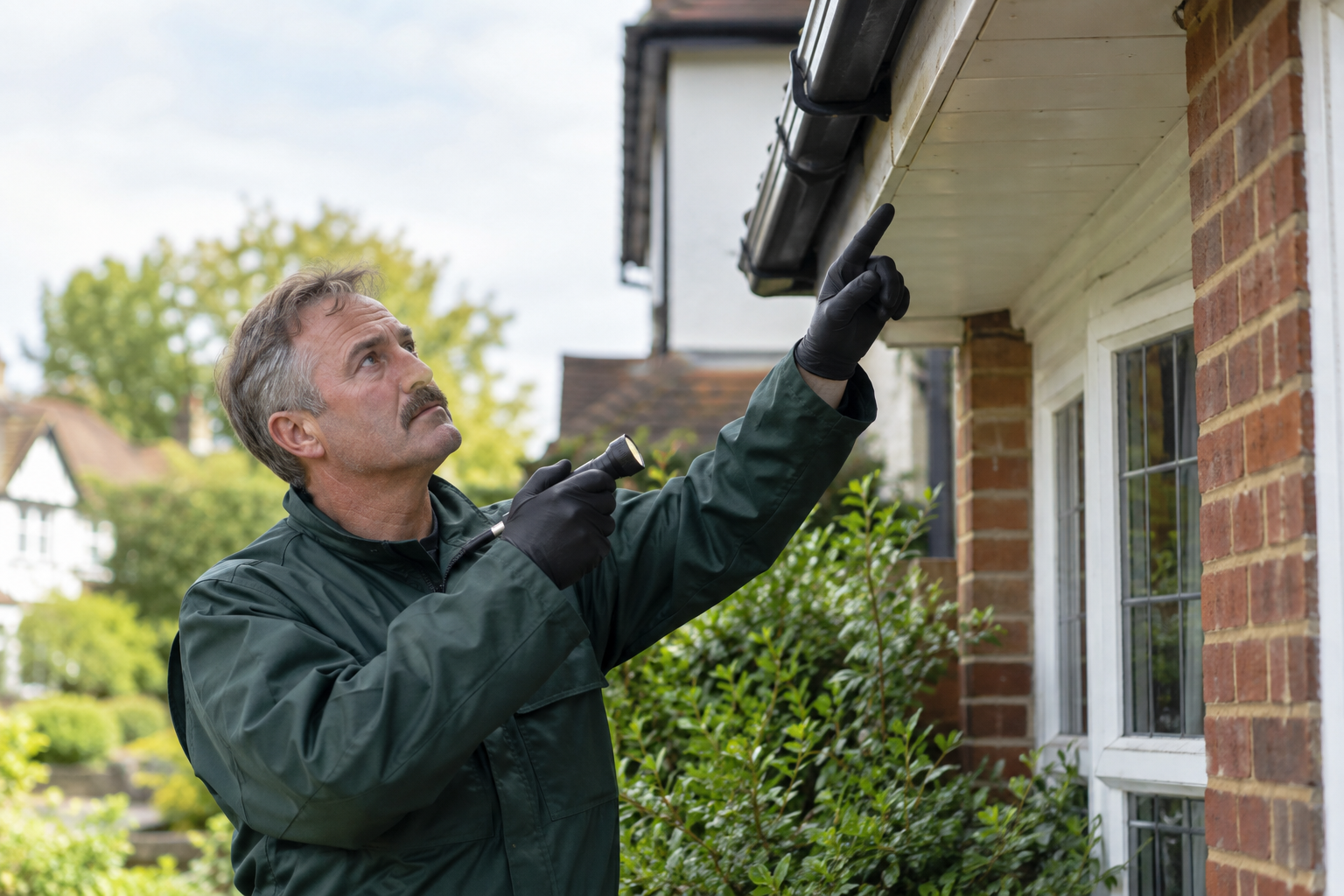
Residual treatment targets floor-level emergence while repeated vacuuming stimulates stages and removes debris.
Larvae near natural fibres require source cleaning and differ from host-dependent flea control.
An empty mattress-free room is not treated for bed bugs without their distinctive physical evidence.
Old droppings behind appliances are logged separately and dated through monitoring if necessary.
Current pets, visiting animals and accessible wildlife contact are discussed.
Boards, carpet and gaps change preparation and product reach.
The unfurnished rooms appear clean, yet the new tenant experiences jumping insects around ankles.
Identification, edge-focused treatment and scheduled vacuuming address the life stages associated with former resting sites.
Dated catches and room location reveal whether emergence declines across the expected interval. Continued specimens trigger review of host access, preparation and coverage rather than an automatic repeat claim.
The captured insect is checked before floor treatment.
Former pet zones and new exposure routes are mapped.
Suitable accessible floor and resting margins receive the selected product.
Ventilation and return timing are explained clearly.
The tenant receives a practical frequency and disposal method.
New catches are dated because emergence can continue after application.
The quotation reflects treated floor area, finish, occupied status and whether a follow-up inspection is required.
| Service | Starting price | Scope factors |
|---|---|---|
| Pest inspection | From £62 | Property, access and areas inspected |
| Wasp treatment | From £89 | Nest position, height and safe access |
| Rodent control | From £184 | Activity, monitoring and visits |
| Bed bug control | From £204 | Rooms, preparation and method |
| Squirrel control | From £273 | Loft access, visits and proofing |
Final scope can change with access, activity, property size, treatment method, specialist equipment and the number of visits. Confirm the current price and inclusions before booking.
Developing stages can remain protected and emerge in response to movement, warmth or carbon dioxide.
Vacuuming supports treatment but cannot reliably reach every immature stage.
Cracks and dusty edges can provide shelter even without fitted carpet.
Uncoordinated foggers may add exposure without reaching protected floor-level sites.
Dates, room pattern and host access help interpret whether activity follows the existing cycle.
They remain outside scope unless specimens, pet movement or sightings make them relevant.
Pet-resting history is useful, though treatment can proceed from confirmed present evidence.
Coordinate veterinary prevention and avoid introducing an untreated host into active emergence.
A specimen and former pet history make preparation more precise.
Arrange flea identification