

ELTHAM · PEST CONTROL
Pest Control Eltham
A steady wasp flight line into a retaining wall beside a garden path needs a safe boundary before treatment, not a blocked entrance. In Eltham, we observe the route from a protected position, assess whether the nest affects necessary access and explain when the opening can be repaired after activity declines.
- Nest entrance observed without obstruction
- Children and pets routed away first
- Wall repair delayed until activity ends
LOCAL CONTEXT
Move people away without blocking the wall
Eltham is a south-east London district with houses, flats, garden properties, shops and local institutions. Gardens and walls influence access questions but do not prove wasp nesting. The practical situation here is repeated flight into a small retaining-wall gap beside the path from the back door. We confirm direction, frequency and the likely working entrance without digging or blocking it. The family creates an alternative route and keeps children and pets outside the flight corridor. Treatment depends on nest position, stable ground and a safe application point. Returning wasps may remain visible for a method-specific period, so immediate repair can redirect them through other wall gaps. A builder addresses loose masonry after active use has ended. A single wasp indoors remains a separate observation unless repeated emergence connects it to the wall. Contextual links lead to wasp control, ant treatment and residential inspection advice.
What the inspection needs to establish
The exact wall gap used repeatedly The path and doorway crossing the flight line Stable ground for a protected working position Other wall openings showing actual activity Indoor windows where repeated emergence is reported
- The exact wall gap used repeatedly
- The path and doorway crossing the flight line
Prepare the relevant access
Mark an alternative path, keep children and pets away and note the busiest flight time. Do not spray, flood, dig into or plug the wall. Photograph activity only from a protected position. Tell us about allergies, wasps found indoors and loose masonry, but do not attempt repairs until the nest response is reviewed.
Can the garden still be used?
Possibly outside a clearly separated flight corridor; advice depends on the layout.
When the response should move faster
Prompt attendance is sensible when the flight line crosses the only usable doorway, wasps repeatedly enter an occupied room or a known high-risk person cannot avoid the area. A serious sting reaction requires emergency medical care. Keep away from unstable walls and do not use fire, water or improvised chemicals.
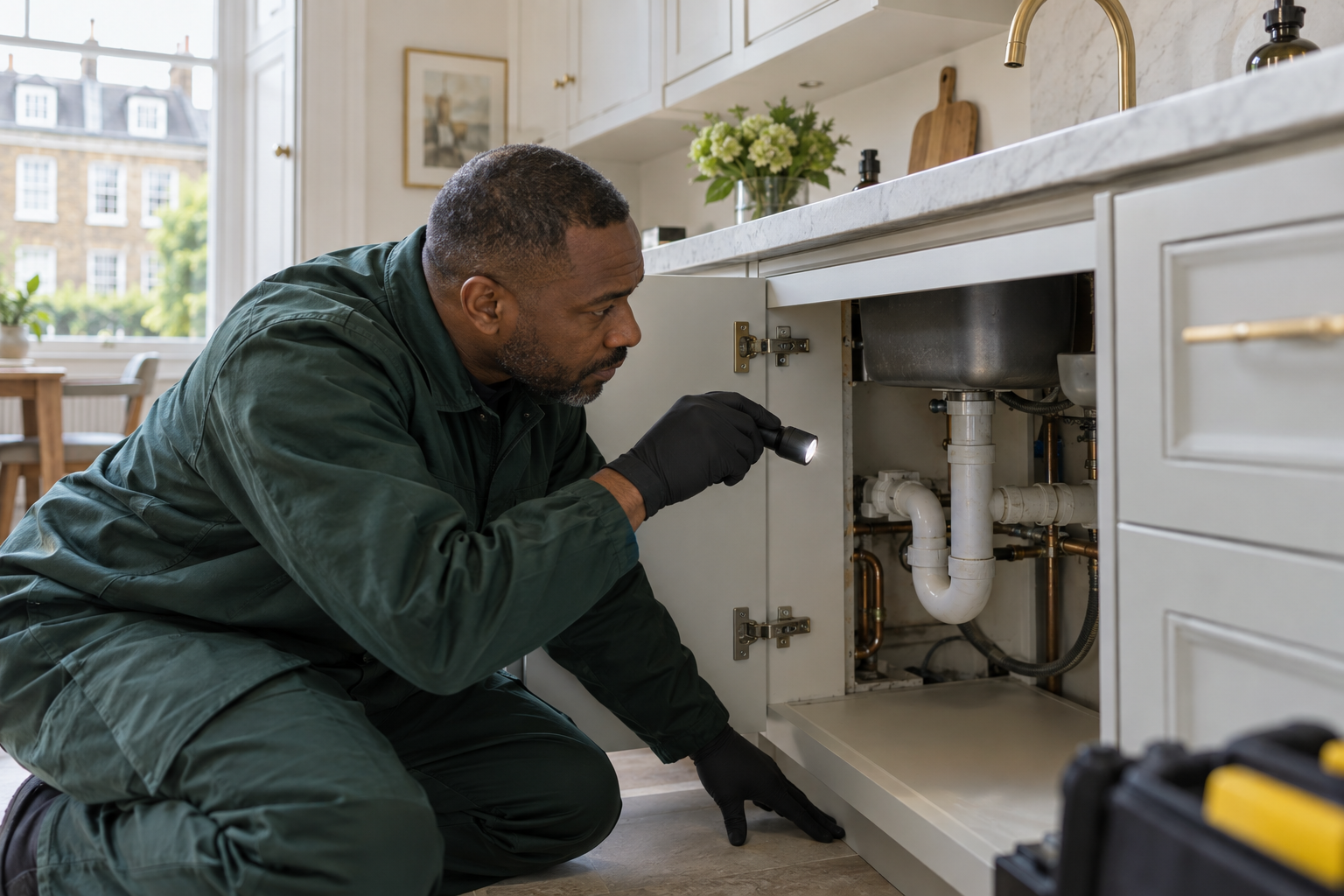
Observe one active garden entrance safely
Other wall openings showing actual activity
Indoor windows where repeated emergence is reported
Control matched to the evidence
Wasps
Regular flight and safe access determine nest treatment and later closure timing.
Bees
Species identification matters because nesting behaviour and management options differ.
Ants
Ground trails may share the wall but require separate identification and baiting.
Mice
Wall-base droppings indicate a different route and control sequence.
Protect access, treat and then close
Observe regular flight
Direction and frequency establish the active opening.
Protect household movement
A temporary safe route avoids the nest corridor.
Confirm species and access
The insect, ground and wall condition determine the method.
Apply targeted treatment
The entrance remains open through the required response.
Explain residual activity
Residents know what returning flight is expected and what is unusual.
Review before repair
Active use must end before masonry closure.
Refer structural work
A suitable builder handles unstable or extensive wall repair.
A garden flight line with a safer route
Before
The nest entrance sits beside normal household movement and has not been assessed.
Work
Flight, species, access and wall condition are checked before treatment and temporary separation.
After
Reduced activity guides repair timing, while future nesting elsewhere cannot be guaranteed against.
Current starting prices
Separate nest work and masonry repair
| Service | Starting price | Scope factors |
|---|---|---|
| Pest inspection | From £62 | Property, access and areas inspected |
| Wasp treatment | From £89 | Nest position, height and safe access |
| Rodent control | From £184 | Activity, monitoring and visits |
| Bed bug control | From £204 | Rooms, preparation and method |
| Squirrel control | From £273 | Loft access, visits and proofing |
Final scope can change with access, activity, property size, treatment method, specialist equipment and the number of visits. Confirm the current price and inclusions before booking.
Practical local answers
When can the wall gap be filled?
After the treatment response shows that active nest use has ended.
Does one wasp indoors prove an internal nest?
No. Repeated emergence and a plausible connection are needed.
Nearby coverage
Related services
Questions before booking
Why should an Eltham retaining-wall hole remain open?
Blocking active wasps can redirect them through other gaps while the colony remains inside.
Can water flush the nest out?
Flooding can scatter activity, destabilise soil or walls and create sting risk.
How are bees distinguished before treatment?
Body form, behaviour and a clear specimen or close observation support identification.
What if the wall is already cracked?
The safe pest response is assessed first, while a builder evaluates structural repair.
How long can returning wasps remain visible?
The expected interval depends on nest position and method and is explained for that treatment.
Can the old nest be removed later?
Removal is not always necessary; access, contamination and wall repair needs are considered separately.
Eltham garden-nest answers
Pest control in Eltham for houses, flats and local businesses. Safe garden wasp-nest assessment, targeted treatment and correctly timed repairs.
Call 020 3318 2099