
Stored-product beetles
Source removal, detailed cleaning and species-relevant monitoring form the main control sequence.
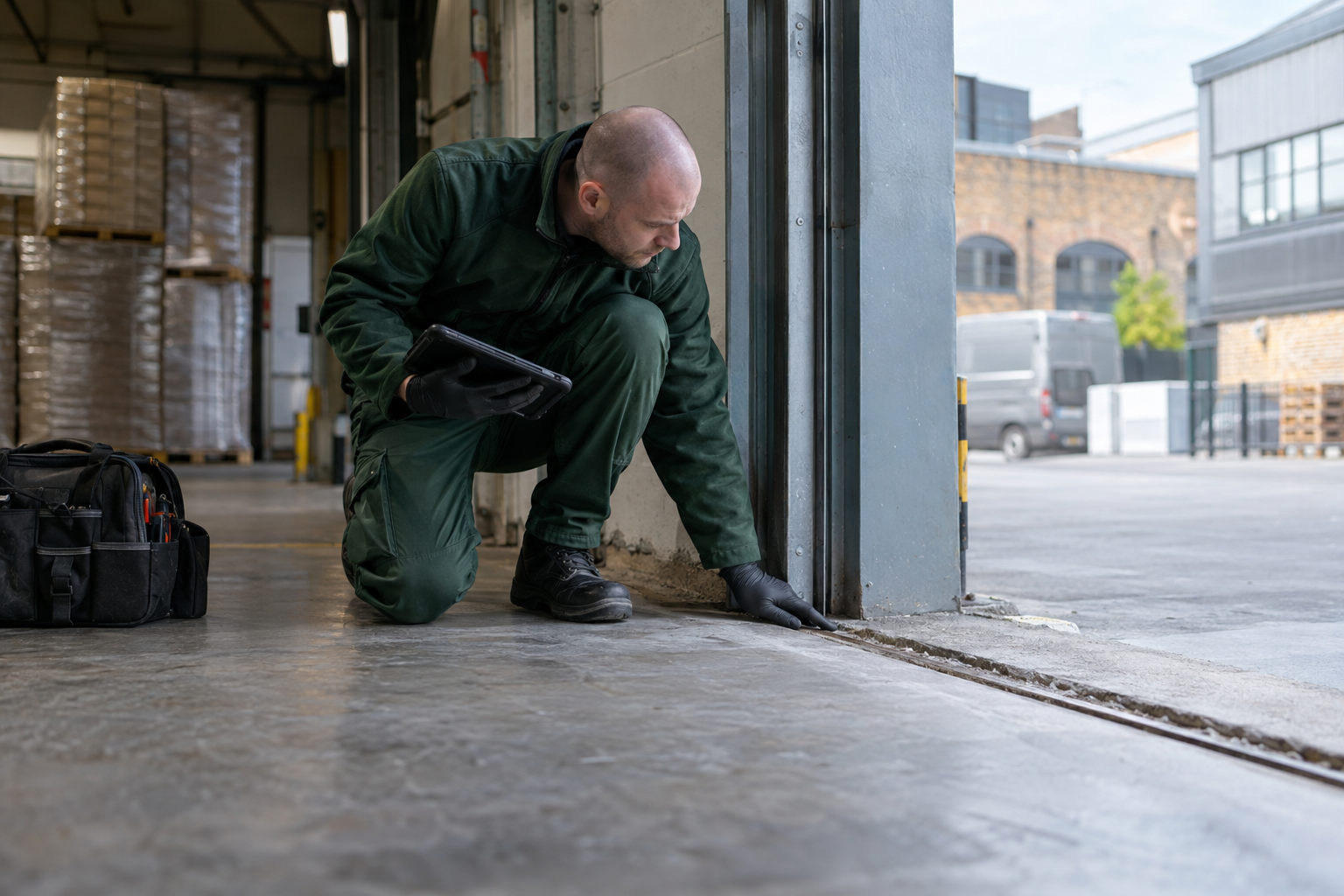
EAST HAM · PACKAGED-FOOD INSECT INVESTIGATION
Beetles inside dry goods require a stock-led investigation before any structural treatment. We identify the insect, retain package and batch details, isolate affected products, and inspect adjacent shelving for spill or wandering larvae. Monitoring is aligned with deliveries and storage zones so the retailer can distinguish incoming contamination from activity established on the premises.
Source removal, detailed cleaning and species-relevant monitoring form the main control sequence.
Webbing and flying adults require different trap lures and a search beyond the first package.
Warm equipment and moisture harbourage are treated separately when spotting or live insects appear.
Gnawed packets and droppings require secured rodent control away from food contact.
Breeding in damaged produce or drains calls for immediate source disposal and sanitation.
Exit holes, frass and webbing are checked under good light.
Spill, pupation sites and old product collect in protected corners.
LOCAL CONTEXT
East Ham includes terraces, flats and high-street businesses. For this grocery, supplier batches, decanting practice and shelving condition define the pest enquiry. We do not infer a problem from neighbouring premises or the wider shopping street. The insect, packet and batch code are retained together, allowing inspection to trace unopened stock, decanted containers and the shelf where activity began. Webbing, larvae, exit holes and spill residues help distinguish a stored-product source from incidental flying insects. Affected goods are isolated under the operator’s stock procedure; unaffected shelves are not sprayed indiscriminately. Cleaning is sequenced so specimens and monitor positions remain useful. Supplier contact, disposal and treatment are recorded as separate actions. Follow-up checks new packages and coded traps by bay, showing whether the source was limited to a batch or persists within accessible fabric.
The technician starts inside damaged packets, then compares unopened stock, shelf debris and the route from receiving to display.
Place affected packets in a controlled area, retain labels and avoid combining opened products. Do not spray shelving beside exposed food. Provide delivery records, cleaning schedules and access before the next stock intake. Remove obvious spill only after photographs or samples preserve the original pattern.
The operator decides using packaging inspection, batch evidence and food-safety obligations.
Quarantine packets containing insects, frass or webbing and follow retailer traceability procedures. Broad chemical application around open goods is not a safe shortcut.
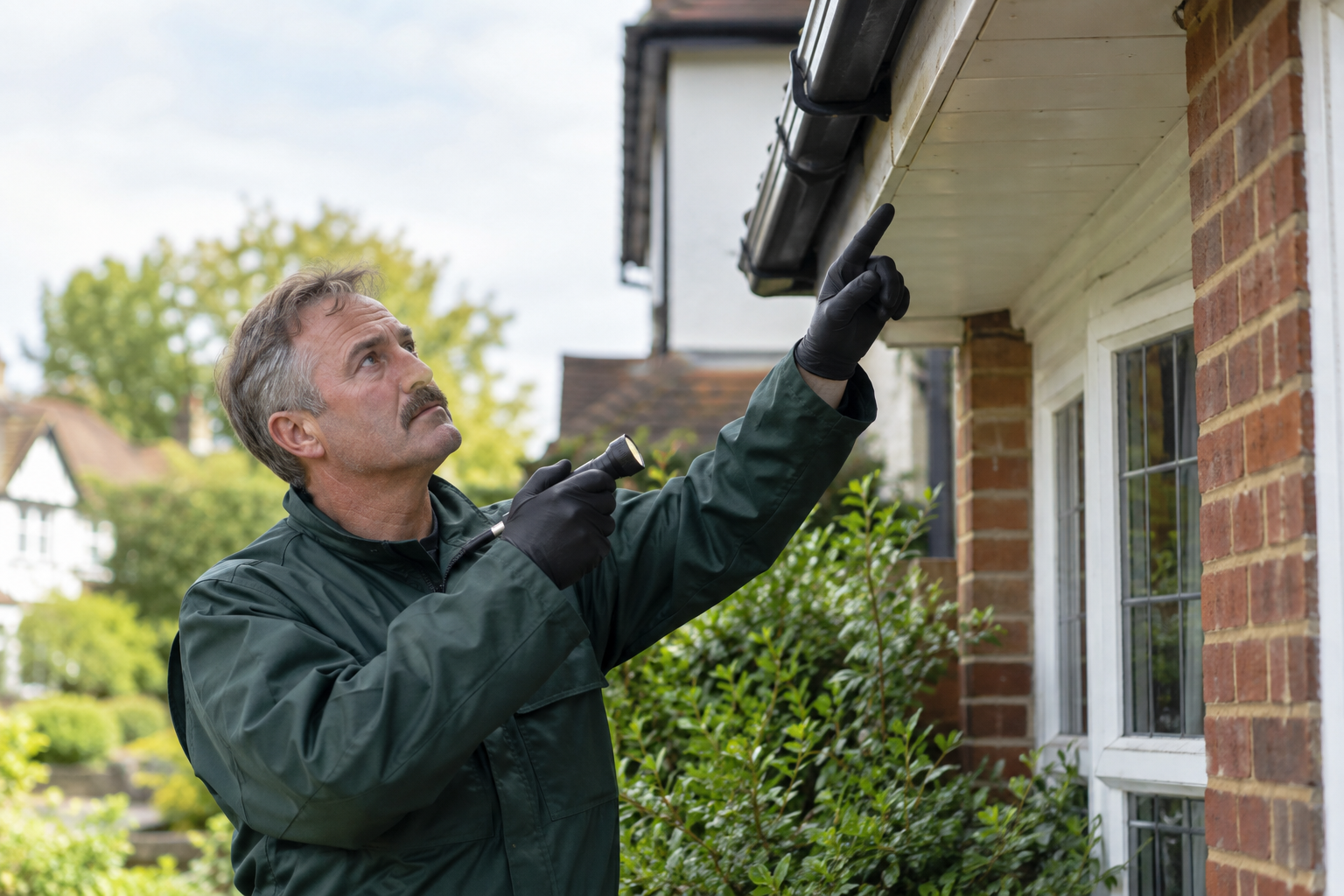
Recovered insects determine the commodity search.
Affected and neighbouring stock are inspected.
Cracks, spill and protected corners are exposed.
Compromised goods leave usable inventory under store procedure.
Suitable empty structural joints receive the selected method.
Captures are compared with new deliveries and shelf zones.
Several packets contain insects, but shelves have been restocked and the original delivery relationship is unclear.
Specimens, batch codes and shelf positions are brought together while affected goods are isolated and harbourage is cleaned.
New package damage, larvae and captures are compared with delivery dates. Activity limited to one retained batch supports a stock-source explanation; catches elsewhere expand the premises search and do not guarantee future supplies.
Food-shop scope depends on stock volume inspected, shelving access, cleaning coordination, structural treatment and the monitoring period.
| Service | Starting price | Scope factors |
|---|---|---|
| Pest inspection | From £62 | Property, access and areas inspected |
| Wasp treatment | From £89 | Nest position, height and safe access |
| Rodent control | From £184 | Activity, monitoring and visits |
| Bed bug control | From £204 | Rooms, preparation and method |
| Squirrel control | From £273 | Loft access, visits and proofing |
Final scope can change with access, activity, property size, treatment method, specialist equipment and the number of visits. Confirm the current price and inclusions before booking.
Keep a labelled sample and photographs so any supplier investigation remains factual.
Do not mix batches or hide package evidence before the source has been assessed.
Some species exploit minute openings or develop inside contaminated contents.
Adults or mature larvae can wander away from the food where development began.
Only a validated food-safe process suitable for that commodity should be considered.
No, they reveal adult movement but cannot remove larvae feeding within goods.
Seal and remove it under waste and food-safety procedures without crossing clean storage unnecessarily.
Residual product can support development, which is why detailed crack cleaning matters.
Product traceability gives the inspection a reliable starting point.
Request stored-product identification