
Stored-product beetles
Source removal and detailed cleaning are central, with treatment limited to suitable structural harbourage.
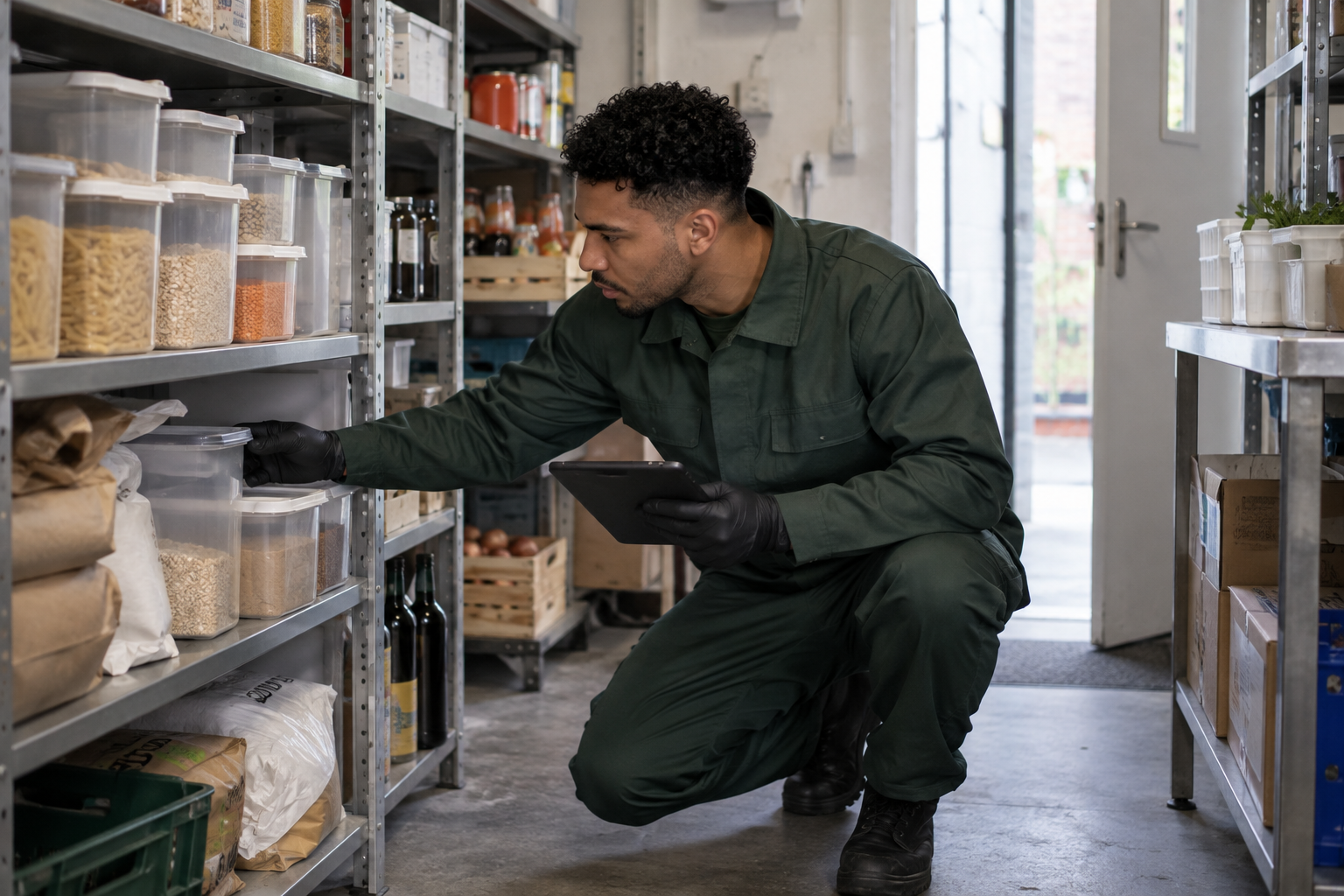
SOUTHALL · WAREHOUSE STOCK INVESTIGATION
Beetles inside packaged ingredients demand traceability before broad treatment. We identify the specimen, isolate the pallet and inspect adjacent batches, racking joints and receiving areas. Cleaning and targeted crack work support stock removal, while monitor locations are tied to batch movement so the quality team can distinguish introduction from established warehouse activity.
Source removal and detailed cleaning are central, with treatment limited to suitable structural harbourage.
Webbing and adult captures require different monitors and shelf searches.
Gnawed cartons and droppings trigger secured rodent control outside product contact.
Warm welfare or processing zones are assessed separately from commodity beetles.
Spillage and packaging fragments are sampled.
Forklift and quarantine positions are compared.
LOCAL CONTEXT
Southall includes residential, industrial and commercial property. For this case, loading sequence, pallet positions and stock rotation provide the relevant context; no wider area claim is made. Damaged cartons are retained by bay and delivery batch so incoming defects can be separated from activity after storage. We inspect racking bases, loading-door seals, wall services and quiet edges outside forklift impact. Secured devices are numbered and positioned with the site safety contact, never loose in vehicle lanes. Yard observations are considered only when tracks or access align with internal evidence. Stock isolation, hygiene and structural repairs receive distinct owners and completion dates. A contractor handles heavy doors, cladding or electrical risk. Follow-up compares fresh packaging damage and device records across equivalent operating periods, allowing the warehouse to change placement or proofing from evidence rather than assumption.
The survey starts inside the affected cartons and moves outward through the batch, neighbouring racking and receiving route.
Hold affected pallets under the warehouse procedure, retain labels and avoid re-palletising goods into clean zones. Provide intake records, supplier codes and pest-monitor plans. Do not fog sealed stock or sweep samples away before identification.
The quality team decides using traceability, inspection findings and product rules.
Quarantine compromised packages and follow quality procedures promptly. Chemical treatment around food requires method-specific controls and authorisation.
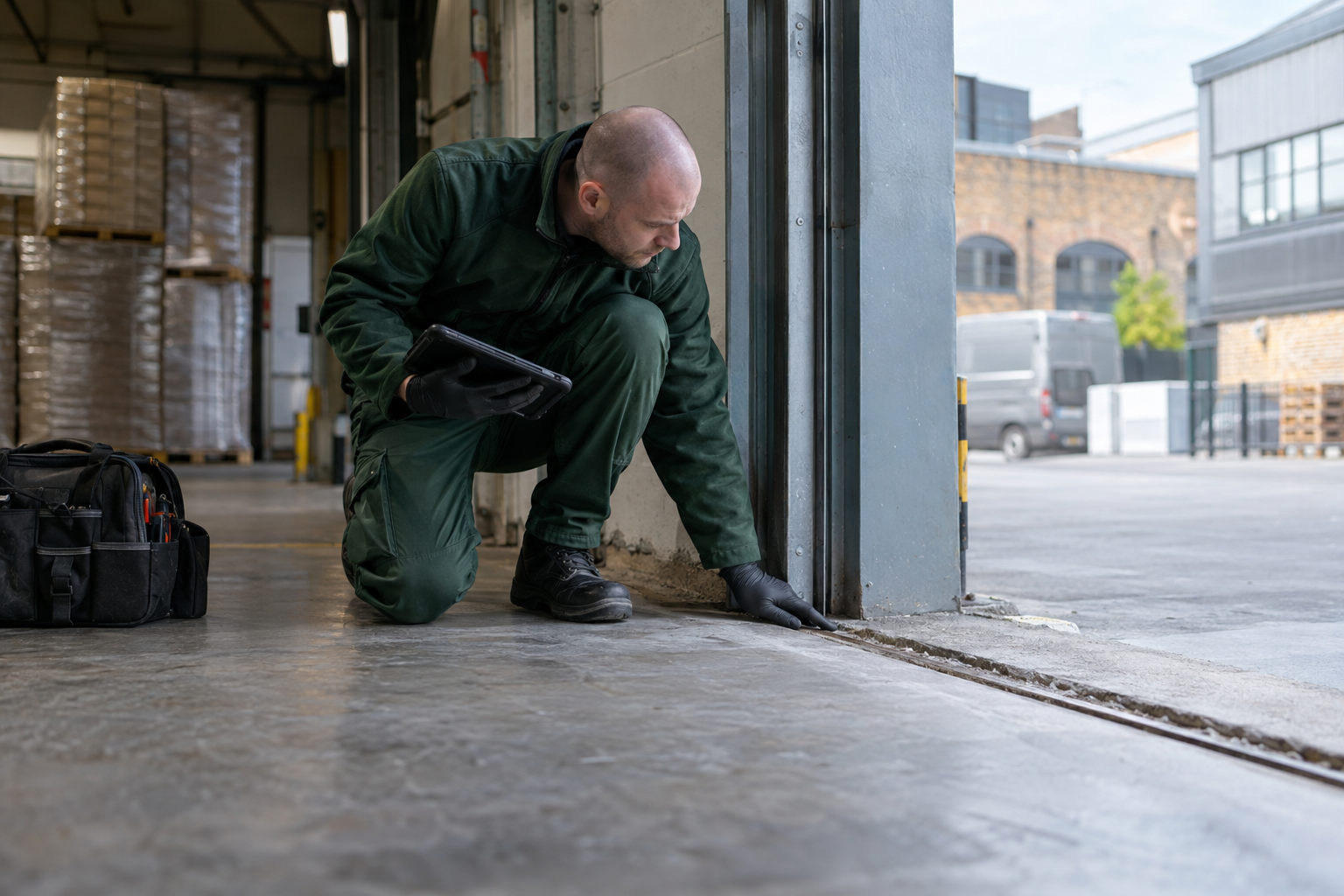
Recovered life stages are examined.
Affected and adjacent cartons are compared.
Spillage and protected joints are checked.
Receiving and quarantine receive coded traps.
Approved structural points enter scope.
Captures are aligned with stock movements.
One pallet contains beetles, but the warehouse does not know whether they arrived inside stock or bred on site.
Traceability, sampling, cleaning and coded monitoring test both explanations without contaminating product.
New specimens and trap contact are matched to receipts and rack zones. Activity confined to the isolated batch supports an introduction; captures elsewhere trigger broader inspection without guaranteeing future consignments.
Warehouse cost reflects inspection area, batch handling, monitor plan, access rules and review reporting.
| Service | Starting price | Scope factors |
|---|---|---|
| Pest inspection | From £62 | Property, access and areas inspected |
| Wasp treatment | From £89 | Nest position, height and safe access |
| Rodent control | From £184 | Activity, monitoring and visits |
| Bed bug control | From £204 | Rooms, preparation and method |
| Squirrel control | From £273 | Loft access, visits and proofing |
Final scope can change with access, activity, property size, treatment method, specialist equipment and the number of visits. Confirm the current price and inclusions before booking.
A labelled retained sample can support a factual investigation.
Access needs are prioritised by evidence; complete unloading is not assumed.
Small openings or contaminated inner packaging may permit emergence.
Product tolerance and a validated process must be established first.
Pallet pauses can separate delivery introduction from rack harbourage.
They support detection but cannot replace source removal.
Collect samples before controlled disposal under warehouse hygiene procedures.
Residual product in rack joints may support development long after the original damage.
Traceability should lead the warehouse investigation.
Request stock identification