
Review gnawing
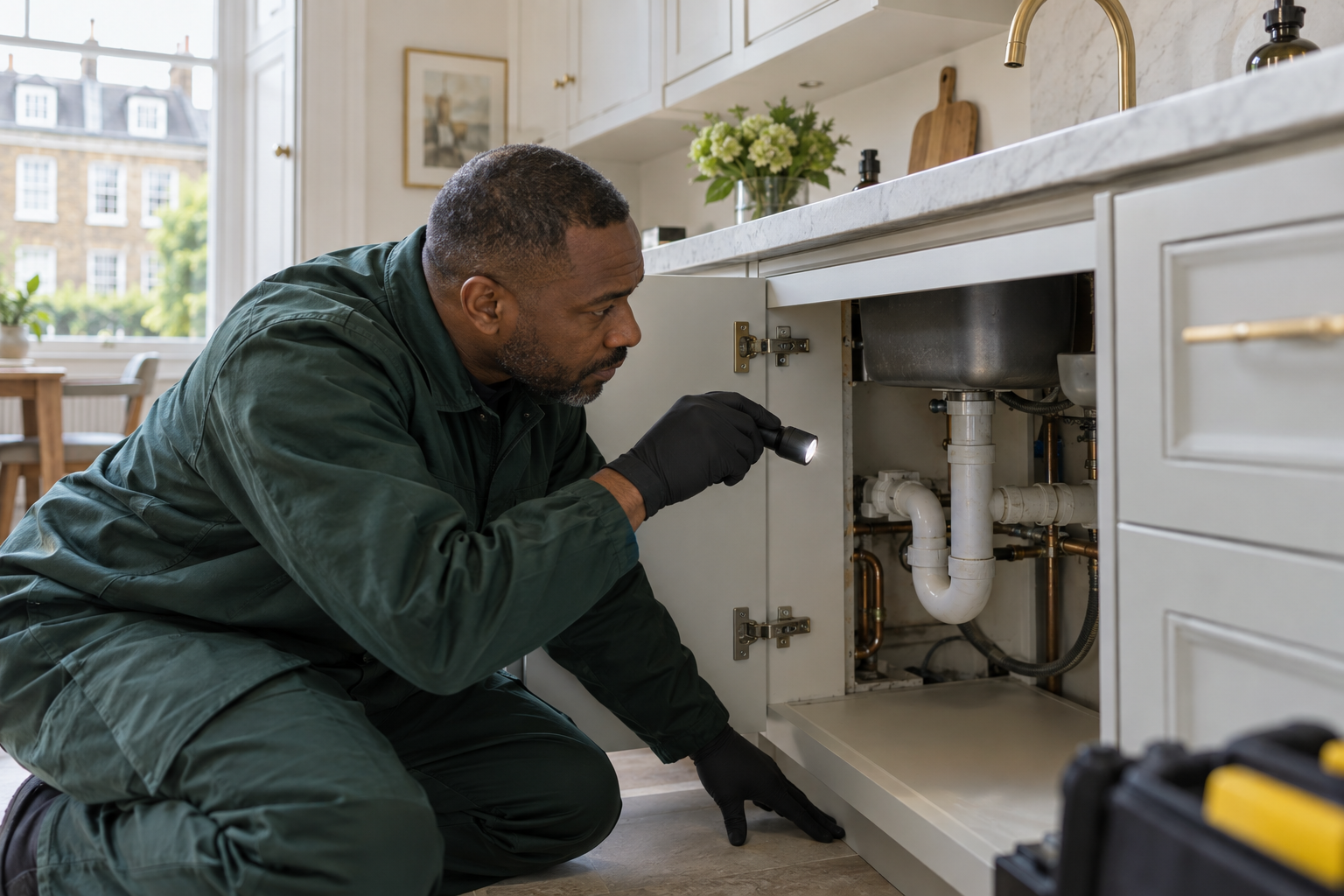
Timber and cable damage are assessed for safety referral.
STANMORE · COMMUNAL LOFT SQUIRREL PLAN
Daytime movement and disturbed insulation make squirrel activity plausible, but the shared loft still needs a safe physical inspection. We document gnawing, droppings and nesting, establish which roof areas management controls, and plan lawful removal. Exterior proofing follows clearance so an animal is not trapped above occupied apartments.
LOCAL CONTEXT
Stanmore includes houses, apartments and local businesses. Trees or gardens near this block may offer roof access, yet only loft and exterior signs establish the route relevant to control. Residents provide the timing and ceiling position of noise, and management arranges the communal loft key. Safe inspection records droppings, compressed insulation, nesting and gnawing before identifying squirrels, birds or smaller rodents. Ground-level views may show a plausible eave, but climbing, tree work and fragile roof access are separate specialist tasks. Active bird nesting changes what can lawfully be disturbed, while squirrel exclusion follows control rather than preceding it. Private flats are inspected only with permission and evidence. The review compares activity at mapped internal and external points before the freeholder commissions durable proofing.
Reports by time and ceiling position are compared with accessible tracks, insulation and timber damage.
Residents should record time and room without entering the loft. Management must provide safe hatch access, roof responsibility and any asbestos or electrical information. Do not cut branches, set traps or seal holes before inspection.
Communal access and roof alterations normally require the building manager or owner.
Keep residents out of unsafe areas and use qualified electrical help for cable damage. Close an occupied room if an animal enters.
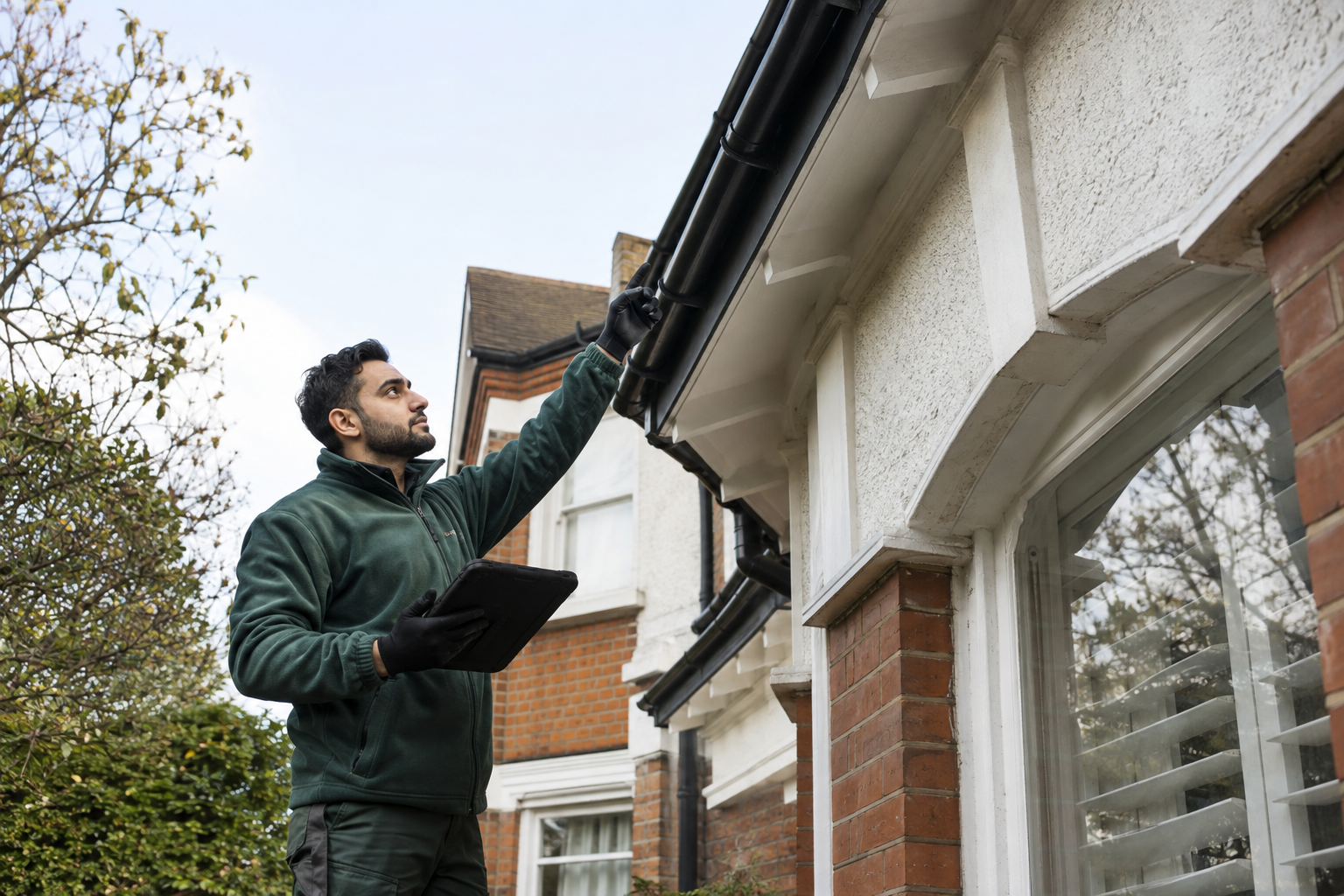
Timber and cable damage are assessed for safety referral.
Visible branches and defects are noted from safe positions.
Confirmed communal-loft activity requires controlled removal and later robust exclusion.
Small droppings around services may represent a separate route between flats.
Larger evidence must be traced through lower levels rather than assumed from sound.
Seasonal eaves flight is assessed independently from mammal disturbance.
Noise is mapped across apartments.
Accessible signs establish species and activity.
Damaged services go to qualified contractors.
Confirmed squirrels receive a lawful method.
Fresh disturbance is checked after control.
Management commissions durable closure at evidenced entries.
Residents hear movement and insulation is disturbed, but no one has mapped the active entry.
The communal void is surveyed, control addresses confirmed squirrels and roof defects are recorded for management.
Noise logs and fresh disturbance are compared at named loft points. A quiet, unchanged void supports exclusion timing; outdoor sightings may continue and do not alone prove that the treatment failed.
Reports and service connections determine which private areas are relevant.
Vegetation changes may support exclusion but cannot replace closing the confirmed entry.
Apartment-block scope reflects authorised loft access, control visits and any separate roof or access-equipment work.
| Service | Starting price | Scope factors |
|---|---|---|
| Pest inspection | From £62 | Property, access and areas inspected |
| Wasp treatment | From £89 | Nest position, height and safe access |
| Rodent control | From £184 | Activity, monitoring and visits |
| Bed bug control | From £204 | Rooms, preparation and method |
| Squirrel control | From £273 | Loft access, visits and proofing |
Final scope can change with access, activity, property size, treatment method, specialist equipment and the number of visits. Confirm the current price and inclusions before booking.
They are commonly active by day, though timing alone cannot confirm species.
Contamination scope and safe disposal should be assessed separately.
Removal without durable exclusion leaves the evidenced access available.
Management should coordinate pest review with the roofing contractor.
Yes, physical signs and exterior observations help distinguish them.
Management can then plan control and roof work in the correct order.
Arrange a communal-loft survey