
Clothes moths
Source cleaning and targeted crack treatment support garment care and pheromone monitoring.
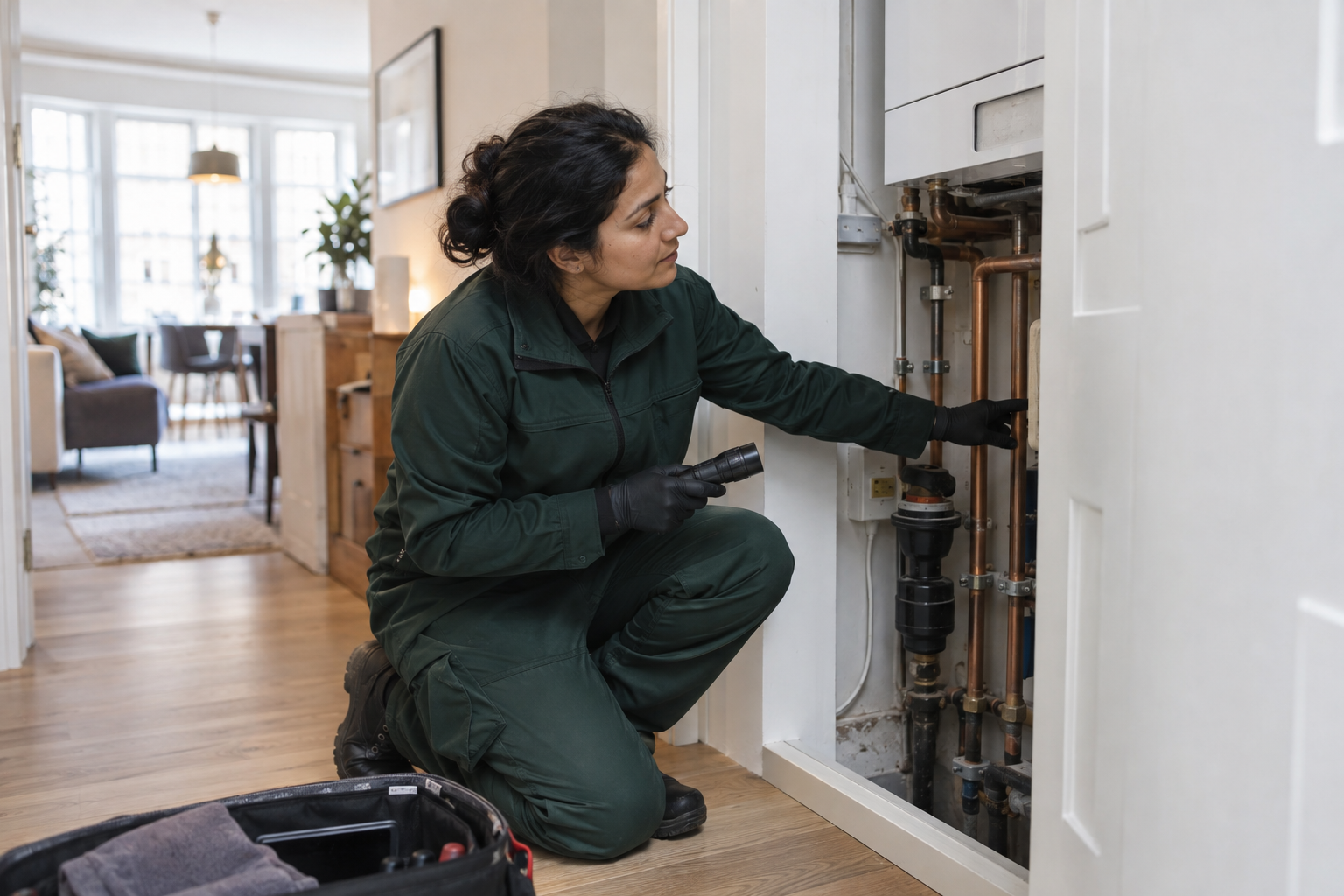
QUEEN’S PARK · TEXTILE PEST INVESTIGATION
Adult moths near a wardrobe are visible, but larvae cause the damage in dark, undisturbed areas. We inspect affected garments, carpet margins and fitted joinery, identify cases or webbing, and design cleaning plus targeted treatment around the confirmed harbourage. Other flats enter the enquiry only if shared evidence supports it.
Source cleaning and targeted crack treatment support garment care and pheromone monitoring.
Bristly larvae and skins demand different identification and debris removal.
Textile holes do not indicate bed bugs, which require resting-area evidence.
Gnawed fabric with droppings triggers a rodent route assessment.
Furniture edges and low-disturbance areas receive attention.
Monitoring priority follows textiles, not equal treatment everywhere.
LOCAL CONTEXT
Queen’s Park includes terraces, converted flats and local retail. This inspection centres on one flat’s wardrobe construction, floor covering and textile storage rather than a general building assumption. The damaged garment, larval case or adult insect is retained for identification and linked to its precise shelf. We inspect natural-fibre items, lint beneath removable drawers, carpet edges and quiet voids without emptying the entire home. Moths, carpet beetles and incidental outdoor insects require different responses, so treatment waits for evidence. Cleaning and laundering remove suitable material but are sequenced with any targeted application. Fixed joinery is not dismantled without owner approval or a competent fitter. Monitoring after work is placed by storage zone, allowing new damage or captures to show whether the source remains inside the wardrobe, floor edge or another authorised room.
The technician compares holes, cases, webbing and shed skins across garments and floor edges.
Bag affected items separately, retain care labels and avoid transferring them to another room. Vacuum accessible wardrobe edges but preserve a specimen. Discuss dry cleaning or heat suitability with the garment professional.
Not automatically; accessible joints and evidence determine whether joinery work is needed.
Bag affected items without carrying them through other wardrobes. Rare or delicate pieces should receive specialist conservation advice.
Affected fibres and larvae are compared.
Wardrobe and carpet debris are inspected.
Items are assigned suitable care routes.
Confirmed structural harbourage receives application.
Rooms receive coded moth traps.
Captures and new damage are compared.
Coats contain damage of unknown age and adult moths appear in more than one room.
Larval evidence identifies priority storage, cleaning removes food sources and coded monitors establish room activity.
Fresh larvae, cases and captures are compared with newly inspected garments. Declining activity supports the plan; a separate-room cluster prompts another source search and no garment is guaranteed immune.
Textile scope depends on rooms, fitted storage access, treatment area and monitoring review; garment cleaning is separate.
| Service | Starting price | Scope factors |
|---|---|---|
| Pest inspection | From £62 | Property, access and areas inspected |
| Wasp treatment | From £89 | Nest position, height and safe access |
| Rodent control | From £184 | Activity, monitoring and visits |
| Bed bug control | From £204 | Rooms, preparation and method |
| Squirrel control | From £273 | Loft access, visits and proofing |
Final scope can change with access, activity, property size, treatment method, specialist equipment and the number of visits. Confirm the current price and inclusions before booking.
Repellents do not remove established larvae or hidden food sources.
Shared communication follows evidence beyond the affected home.
Adults fly, so trap location does not always equal larval source.
Follow professional fabric-care guidance to avoid damage.
They can feed on hair, fibres and organic debris within lint.
Only a validated time and temperature suitable for the item can be relied upon.
Photographs and a garment log distinguish prior damage from new feeding.
Room and storage history help locate the larval source.
Arrange textile pest identification