
Check light-well access
Doors, grilles and stored items are reviewed for another route.
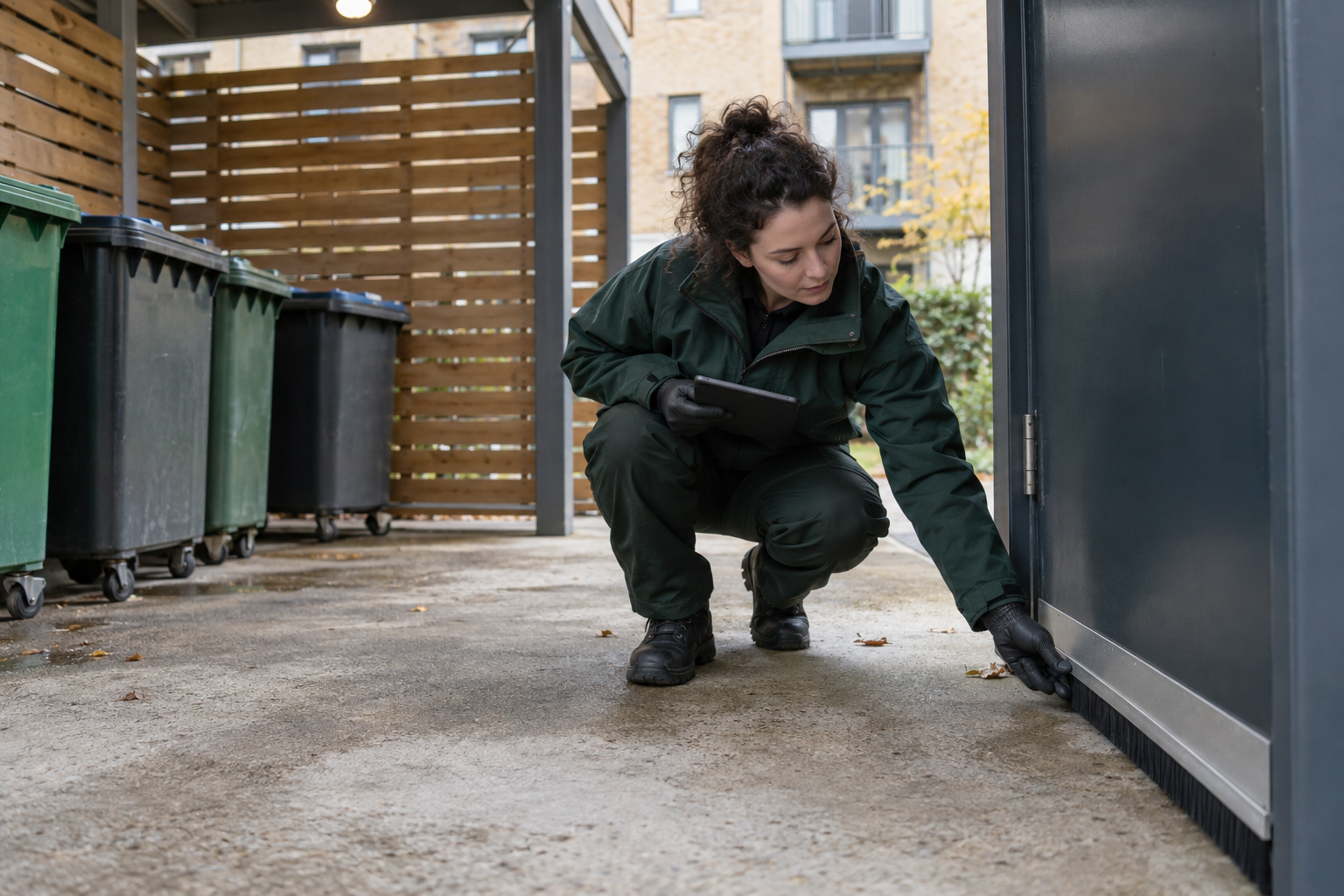
KENNINGTON · LOWER-GROUND RAT CHECK
Fresh droppings near a basement drain can point towards drainage, an external door or another concealed route. We inspect the room, compare marks with the drain and service entries, and use monitored control before recommending closure. Where pipe defects remain possible, the findings provide a clear brief for a specialist drainage survey.
Doors, grilles and stored items are reviewed for another route.
Heating and waste entries are assessed for safe closure later.
LOCAL CONTEXT
Terraces, estates and flats occur locally, but this investigation centres on one basement arrangement. Light wells, old services and drainage are checked only where evidence connects them. The newest droppings, smear marks or damaged material establish the starting zone and prevent an outdoor rat sighting from becoming the diagnosis. Accessible pipe entries, the basement door and the line towards the nearest drain are inspected in sequence. Drain involvement is recorded only when physical signs or monitoring support it; testing or repair beyond the pest-control scope belongs to a drainage contractor. Any bait or traps are protected from occupants and visitors, with their positions agreed before placement. Moisture, stored food and waste handling are documented as supporting conditions rather than blamed automatically. The return visit checks fresh signs at the original points before proofing is timed.
The closest feature is not always the entry. Directional smears and droppings are mapped from food or shelter towards every accessible boundary.
Photograph droppings, remove exposed food and keep the basement door closed. Do not pour chemicals into the drain or cover it with temporary board. Provide flood history, plumbing work and any CCTV drain report.
Only when it is safe, accessible and within the agreed inspection scope.
Restrict the basement if a rat is present, contaminated water enters or electrical equipment becomes exposed. Plumbing and electrical hazards require their respective qualified trades.
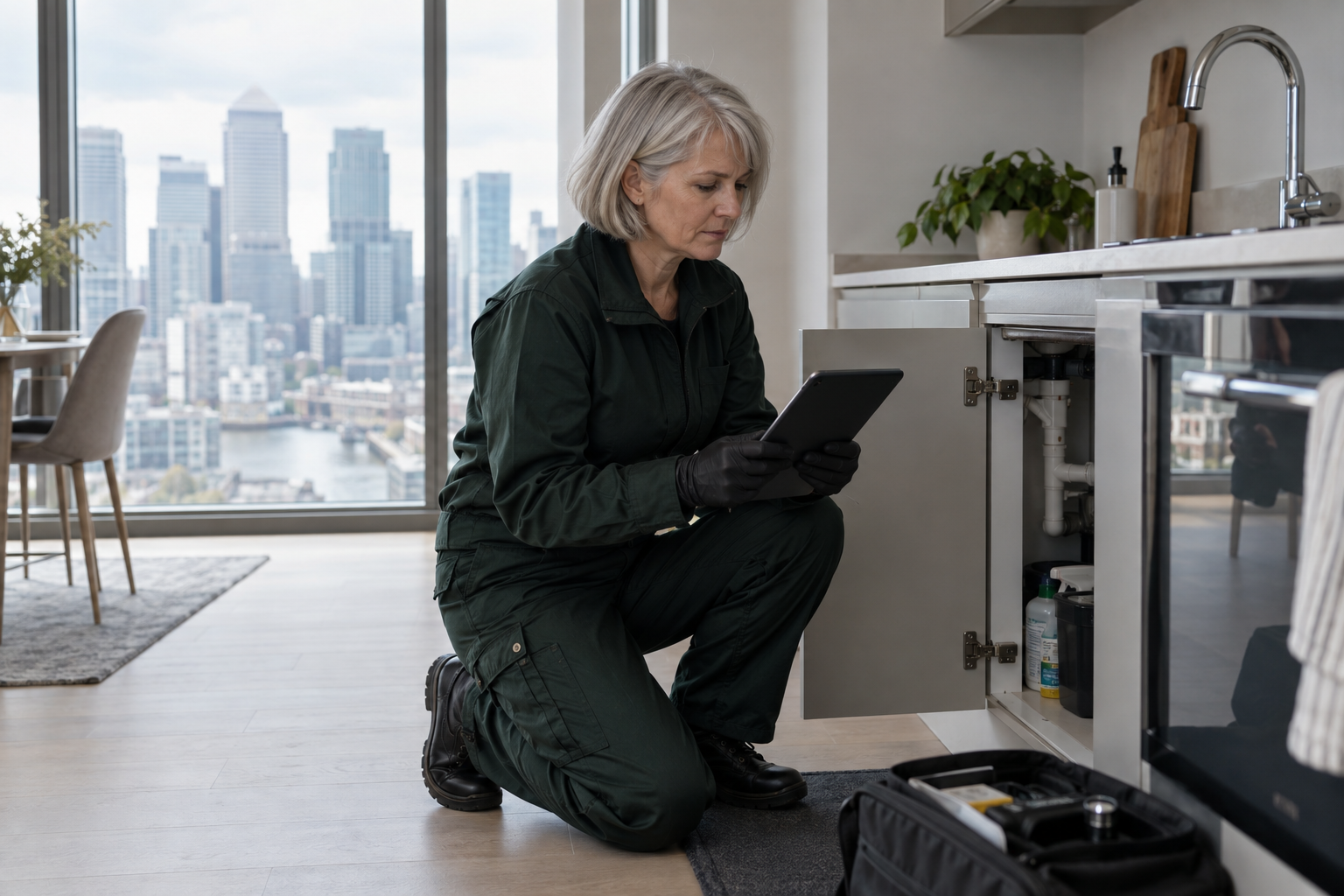
Protected control is positioned along established basement travel, with review before structural closure.
Smaller evidence around services changes gap priorities and device choice.
Small flies at the drain indicate organic build-up, not rodent identification.
Warm damp voids are monitored for insects only when specimens or spotting appear.
Heavy rain and droppings occur together, yet no inspection has linked the two.
The room is mapped, safe control tests movement and visible drainage defects are recorded for further investigation.
Fresh droppings and monitor activity are compared with weather and drain findings. Continued evidence beside the cover strengthens the survey case; a clear interval alone does not certify the pipe system.
Fresh signs are plotted by boundary.
Visible defects and tracks are documented.
Light well and services are compared.
Secure placements test active movement.
Drain specialists receive a focused question when justified.
Repairs follow control evidence and ownership approval.
The pest-control quote covers accessible inspection and control; specialist drain testing or repair remains separately scoped.
| Service | Starting price | Scope factors |
|---|---|---|
| Pest inspection | From £62 | Property, access and areas inspected |
| Wasp treatment | From £89 | Nest position, height and safe access |
| Rodent control | From £184 | Activity, monitoring and visits |
| Bed bug control | From £204 | Rooms, preparation and method |
| Squirrel control | From £273 | Loft access, visits and proofing |
Final scope can change with access, activity, property size, treatment method, specialist equipment and the number of visits. Confirm the current price and inclusions before booking.
No, surface type and route frequency affect whether rub marks become visible.
Conditions may change movement, but the property route still needs direct evidence.
Cleaning addresses contamination after safe removal; it does not close access.
A live route may divert or trap an animal if closed prematurely.
Responsibility depends on ownership and network location, not the pest inspection alone.
Visible evidence first helps decide whether drainage testing is proportionate.
Ownership, materials and entrapment risk should be resolved before closure.
Share rainfall timing, droppings and plumbing history.
Book a basement assessment