
You have treated the cat or dog as your vet advised, yet small jumping insects are still appearing near the sofa. That does not necessarily mean the veterinary product has failed. Adult fleas on the animal are only one part of a lifecycle that can also involve eggs, larvae and pupae in the home. A successful response needs to account for the pet and the places where it rests.
Start by checking that the insect is a flea. Photograph or collect a specimen safely. A pet may scratch for several reasons, and an itchy mark on a person's ankle is not a reliable species test. If fleas are confirmed, speak to your vet about the animal's treatment and to a pest professional about the property. Neither adviser should guess what the other has prescribed.
Understand what treatment can and cannot reach
Adult fleas feed on a host. Eggs may fall from an animal into bedding, carpets and furnishings. Larvae develop in sheltered places, and pupae can be comparatively well protected. The BPCA explains that flea development depends on suitable conditions, including humidity, and that clean homes can still be affected. Treating the animal addresses an essential part of the problem, but it does not instantly remove every developing stage in the room.
This is why a few fleas may appear after a veterinary treatment has started. Newly emerging adults can become noticeable as people and pets move around the home. Continued activity needs monitoring and may require an environmental plan, but it should not lead to randomly doubling a pet's dose or mixing products. Veterinary medicines have species, weight and timing instructions. Follow the vet's advice, particularly in homes with cats, dogs of different sizes, young animals or animals with health conditions.
Keep a dated note of where fleas are seen and whether they are on the pet, on bedding or in a room. A burst of activity near one sleeping spot points to an area worth inspecting. A photograph of a flea on a light surface can help confirm identification. Avoid comparing bite counts day by day as your only measure; reactions to bites vary and older marks can continue itching after the source changes.
Work through the pet's resting places
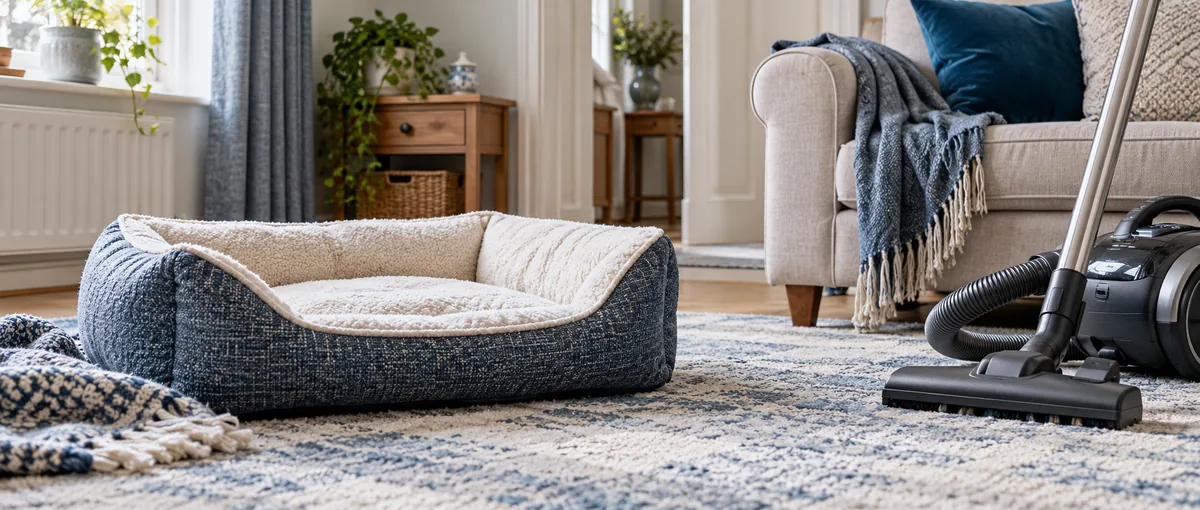
List the places the animal actually uses: bed, sofa, favourite rug, car seat or a patch of carpet in a sunny room. Launder removable pet bedding only at temperatures and settings its fabric can tolerate, following veterinary or technician advice. Vacuum accessible carpets, skirting edges and upholstery, taking care with delicate fabrics. Empty the vacuum promptly into a sealed bag and dispose of it in an outside bin where practical. The aim is to remove debris and some developing stages while making the environment easier to inspect.
Do not assume that a quick pass over the centre of a carpet is enough. Flea development can occur in sheltered places where eggs have fallen. Move light furniture safely to reach the pet's regular routes, but do not dismantle rooms or drag potentially affected soft furnishings into clean areas. If there is an inaccessible underfloor void or a large upholstered item, tell the pest inspector rather than improvising a chemical treatment.
The animal may also bring fleas from outdoors or from contact with other animals. Discuss continuing prevention with your vet. A household treatment cannot replace protection for a pet that keeps encountering fleas, and a pet product cannot necessarily resolve activity in a property that has accumulated eggs and pupae. Coordinating both sides is more reliable than repeating one side alone.
Be cautious with products around animals
Never apply a household insecticide to an animal. Use only veterinary products prescribed or recommended for the relevant species and weight. Some substances that are used in one setting can be harmful to another animal. Keep pets away from any treated area for the period stated by the pest technician and product label. Tell the technician about fish tanks, small mammals and birds as well as cats and dogs.
If you buy a product for the home, read the entire label, including where it may be used, how long people and pets must be excluded, and any ventilation requirement. Do not spray bedding that the pet will immediately lie on unless that exact use is authorised. Avoid layering several products because activity persists for a few days; incompatible applications can increase exposure without solving the lifecycle problem.
All Pests Gone's flea and ant control service is the relevant pest-control route for fleas in the property. Its targeted pest treatment service explains why the approach should fit the pest and site. Ask what areas are included, how the treatment interacts with vacuuming and when a follow-up is appropriate. Your vet remains the right adviser for the pet itself.
What if you have no pet now?
Fleas may be noticed after an animal has left a home or when a previously empty property becomes occupied. That does not prove the current resident introduced them. A new occupant's movement may draw attention to emerging adults. Ask about the property's recent animal history and document sightings without assigning blame. A professional inspection can establish whether fleas are present and where activity is concentrated.
Wildlife near a property may also complicate the picture. Do not attempt to handle nests, dead animals or inaccessible voids yourself. A technician can assess the source and advise whether another issue needs attention. If there is no confirmed flea specimen, consider other insects before applying a whole-house treatment.
Measure progress sensibly
Agree with the vet on the animal's ongoing schedule and with the pest technician on property aftercare. Keep a simple log of confirmed flea sightings by room. Follow the advice on vacuuming and cleaning after treatment; the correct timing depends on the method used. If activity continues beyond the period the provider expected, report the exact observations and ask for a review. The answer may be a missed resting area, continued introduction or another identification issue.
For people with itchy bites, a pharmacist can advise on relief. Seek medical advice if symptoms are severe, spreading or appear infected. Treating the skin does not identify the pest, and treating the property does not replace care for the person.
Persistent fleas are often a problem of timing and coverage rather than a single “bad” product. Address the animal with a vet, the home with evidence-led pest advice, and the daily cleaning routine with clear written instructions. That coordinated plan is more useful than repeatedly treating the pet while overlooking where flea stages develop.