
Walk the loading route
Thresholds and cable openings are checked where scenery moves between store and stage.
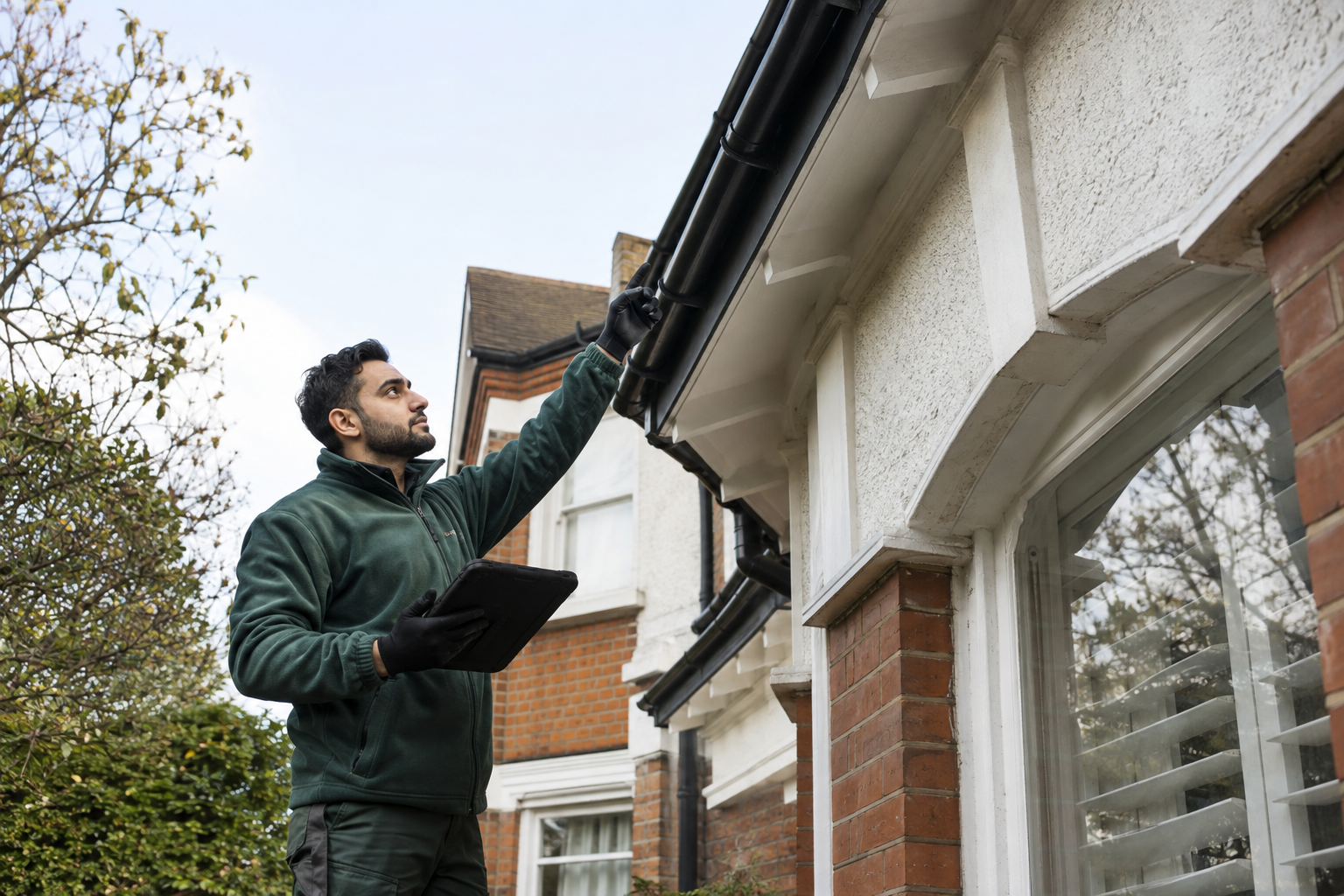
COVENT GARDEN · VENUE INSPECTION
Gnawing in a props store can threaten materials without revealing where mice enter. Our visit starts with the damaged item, checks nearby shelving and service routes, then uses monitored control to test movement. The production schedule, public access and fire routes remain part of the plan, with proofing sequenced after active pathways are understood.
LOCAL CONTEXT
Covent Garden premises can combine performance, retail, hospitality and residential uses. A venue may control its store but share a loading corridor or basement with another occupier. The appointment records those boundaries rather than presenting a suspected shared route as fact. Inspection begins with the damaged prop or costume, recording gnawing, fibres, droppings and its shelf position. The route through storage, loading and cable penetrations is checked without blocking fire exits or disturbing fragile collections. Protected devices remain inaccessible to audiences and are logged for stage management. Another occupier’s basement is requested only when signs point across the boundary. Estates handles structural doors or shared fabric, while production staff preserve monitor positions during changeovers. The review after scenery movement distinguishes fresh activity from historic marks and shows which confirmed gap should be proofed.
Materials are vulnerable at quiet times, so the inspection considers where props rest, how deliveries arrive and which doors remain open during changeovers.
Leave the damaged prop in place if it can be isolated safely, photograph its original position and avoid sweeping all droppings before inspection. Supply a floor plan, changeover timetable and key access for the loading corridor. Fragile costumes should not be moved between rooms merely to clear space.
Yes when their position is secure, discreet and approved by the venue safety contact.
Request prompt support when rodents enter public rooms, chew electrical installations or damage valuable costumes and props. Keep people away from exposed wiring and use the venue incident process.

Thresholds and cable openings are checked where scenery moves between store and stage.
Control points stay away from evacuation paths and unauthorised handling.
Lockable or protected control is placed along evidenced edges, then reviewed before proofing closes the route.
Larger droppings or strong gnawing prompt checks of basement access, refuse movement and external doors.
Damaged costume fibres require insect identification because moth larvae and rodents demand entirely different actions.
Dressing-room seating is inspected only when physical signs support concern; a bite report alone does not justify room-wide treatment.
Activity near a roof vent or loading entrance is assessed for nest position and safe height access.
The stage manager identifies blackout periods and protected collections.
The store is read from damaged item to likely travel edge.
Monitoring distinguishes local harbourage from loading-corridor movement.
Placement is secured and logged for authorised venue staff.
Confirmed gaps are described for estates or the building owner.
New marks are checked after scenery and deliveries have moved.
One damaged item gives no reliable indication of the route or current activity level.
The store is mapped, protected monitors test shelf and door edges, and vulnerable materials are isolated without dispersing them.
Fresh gnawing, monitor contact and droppings are reviewed after the scheduled move. A clear store is encouraging evidence, while renewed marks reveal which route needs additional work.
Venue scope depends on store size, loading access, secured placement and the number of scheduled reviews.
| Service | Starting price | Scope factors |
|---|---|---|
| Pest inspection | From £62 | Property, access and areas inspected |
| Wasp treatment | From £89 | Nest position, height and safe access |
| Rodent control | From £184 | Activity, monitoring and visits |
| Bed bug control | From £204 | Rooms, preparation and method |
| Squirrel control | From £273 | Loft access, visits and proofing |
Final scope can change with access, activity, property size, treatment method, specialist equipment and the number of visits. Confirm the current price and inclusions before booking.
Estates or the building owner should authorise work affecting shared doors, listed fabric or service penetrations.
Not without identification and a suitable method; damage may not be insect-related at all.
Yes, which is why freshness, dust disturbance and monitored activity are considered together.
The scope defines backstage access, protected placement and times when the technician can move through public circulation.
It is possible, but the store and building routes still need evidence before that explanation is accepted.
Note new holes, fibres, spotting or insects with the garment location and date.
A suitable brush can close one confirmed gap, but active rodents and alternative openings must be considered first.
Describe the damaged material, store position and production timetable.
Speak with the response team