
Trace services
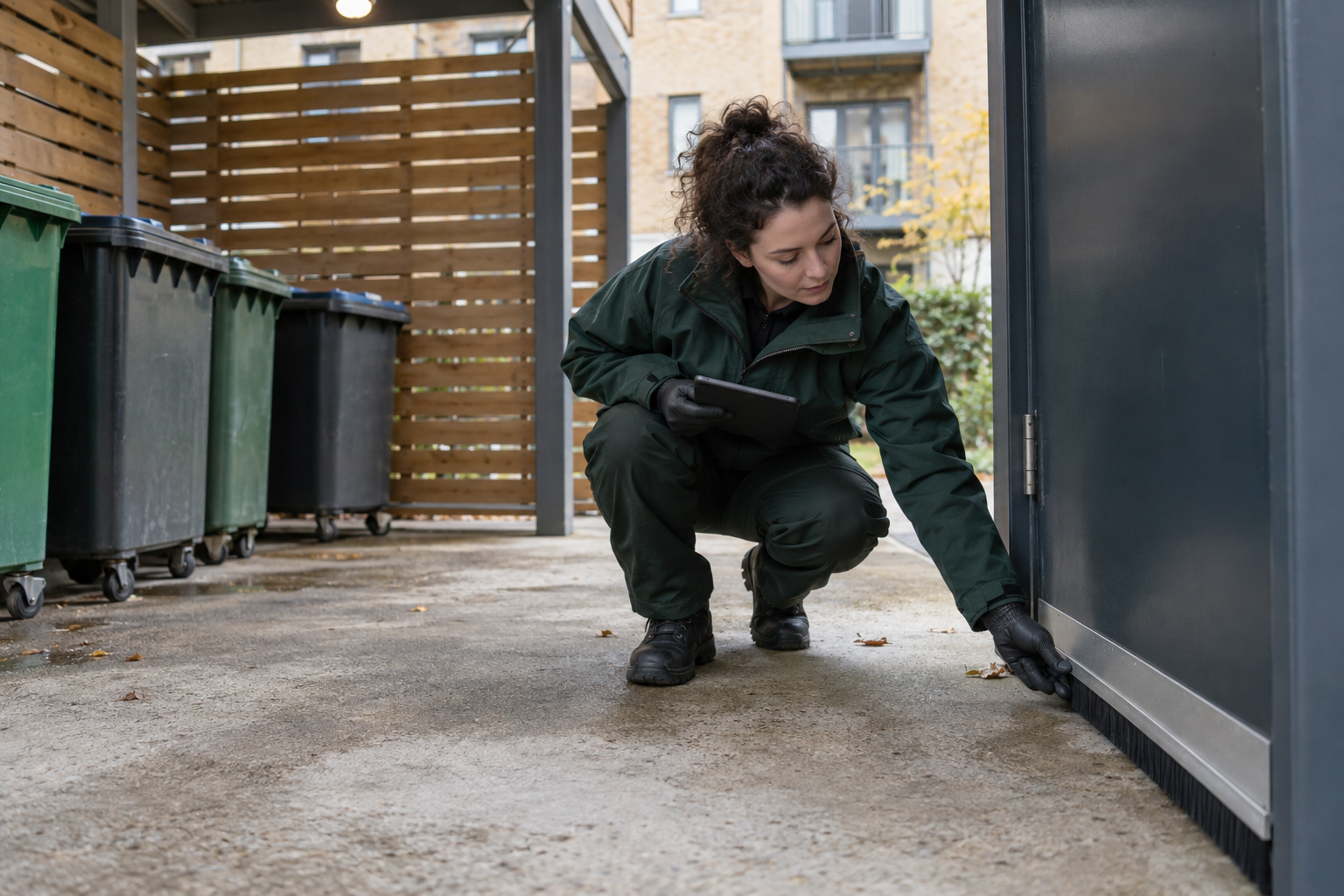
Accessible sink and heating penetrations are inspected.
CAMBERWELL · SENSITIVE-SITE MOUSE RESPONSE
Mouse evidence in a care setting needs prompt hygiene action and a control plan that residents cannot disturb. We inspect the kitchenette after staff identify the fresh signs, trace accessible service entries and select secured monitoring or control. Care routines, medication areas and individual vulnerabilities are discussed before any placement.
LOCAL CONTEXT
Camberwell includes homes, flats and institutional premises. Here, staff shifts, locked rooms and resident support needs control when and where inspection can happen. These operating facts matter more than the building label. The care lead identifies the newest sign and residents who need support before any bedroom, kitchen or store is entered. Inspection follows evidence through authorised spaces while medicines, mobility equipment and personal belongings remain protected. Devices must be tamper-resistant, mapped and compatible with cleaning. A resident’s room is not added from corridor rumour alone. Treatment preparation and re-entry are explained to named staff, and maintenance receives separate building defects. Follow-up occurs with the same responsible contact and compares newly documented signs without disrupting essential daily resident care.
The technician begins after a staff briefing, limiting movement through private rooms unless signs make that access relevant and authorised.
Preserve a photograph, clean contamination under the site procedure and record the exact cupboard. Nominate a staff member for keys and safeguarding guidance. Secure resident snacks, but do not move labelled monitors during routine cleaning. Provide product-allergy and oxygen-use information where relevant.
The care lead decides how to separate affected zones and support individuals safely.
Call promptly if a mouse enters a bedroom, food is contaminated or a resident may handle droppings or equipment. Clinical concerns remain with the care team.

Accessible sink and heating penetrations are inspected.
Resident reach and cleaning routines determine monitor locations.
Lockable placements and staff logs monitor control while proofing targets evidenced service gaps.
Larger signs or external burrows change equipment, route and urgency.
Warm kitchenette harbourage needs insect identification and protected targeted treatment.
Trails around medicines or food are mapped before bait placement is considered.
The lead explains resident risks and restricted rooms.
Kitchen signs are checked with minimal disruption.
Protected devices test accessible service edges.
Method and placement reflect vulnerability.
Confirmed gaps receive a clear repair request.
Night and cleaning teams report against named points.
One shift finds droppings, but cleaning and handover records do not show when they appeared.
The kitchenette is inspected, secured control targets the supported route and staff receive one reporting method.
Fresh signs and protected-device contact are reviewed alongside shift dates. Absence at the kitchenette is positive evidence, while another-room activity expands inspection; no single clear night is treated as a guarantee.
Only trained nominated staff should make visual checks without opening or moving them.
That depends on cleaning, findings and any treatment restrictions communicated on site.
Sensitive-site scope reflects access controls, secured equipment, reporting needs and scheduled review visits.
| Service | Starting price | Scope factors |
|---|---|---|
| Pest inspection | From £62 | Property, access and areas inspected |
| Wasp treatment | From £89 | Nest position, height and safe access |
| Rodent control | From £184 | Activity, monitoring and visits |
| Bed bug control | From £204 | Rooms, preparation and method |
| Squirrel control | From £273 | Loft access, visits and proofing |
Final scope can change with access, activity, property size, treatment method, specialist equipment and the number of visits. Confirm the current price and inclusions before booking.
A photograph and location are usually enough; avoid unnecessary handling.
The care provider should balance individual needs with sealed storage and spill control.
Method choice considers sensitivity, label conditions and the evidence found.
A concise site handover should cover restricted points, reporting and monitor protection.
No, the inspection maps actual signs before widening scope.
Facilities or the property owner should approve work around protected building systems.
Share the fresh-sign location, resident risks and safe access window.
Arrange a sensitive-site visit