
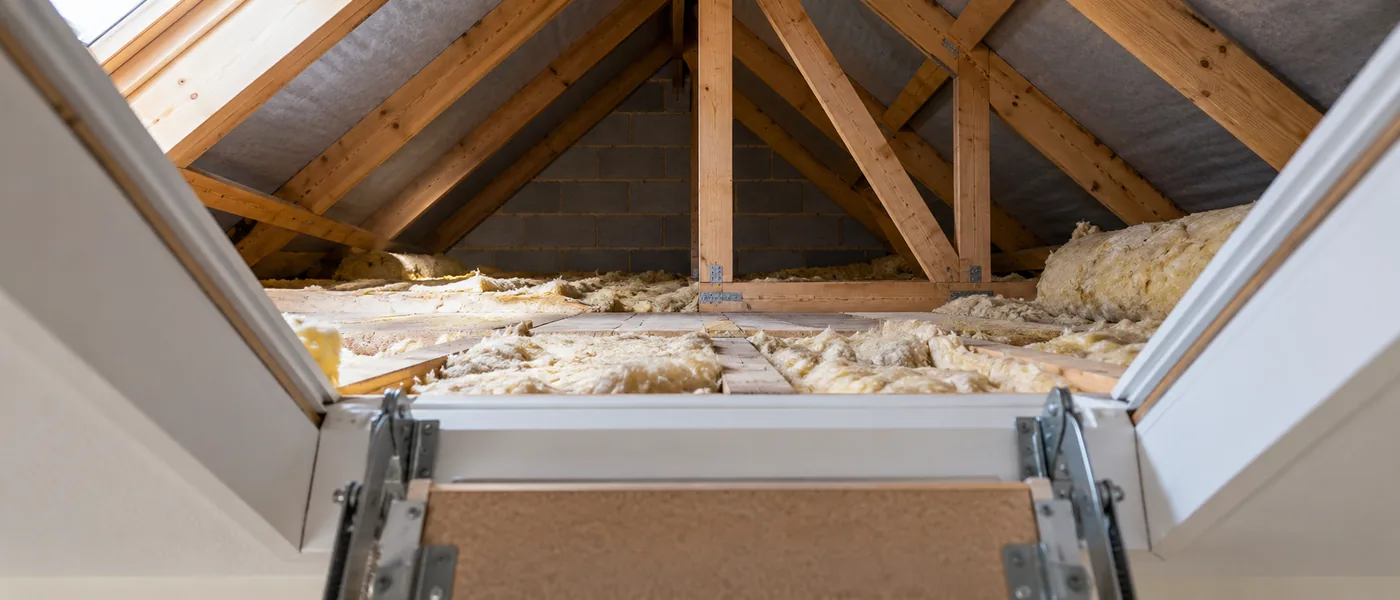
Scratching above a bedroom can make any quiet evening tense. The sound might come from rats or squirrels, but timber, birds and other causes can sound surprisingly similar through a ceiling. Deciding what is there from noise alone is unreliable. A careful record of when activity happens, where it appears to move and what can be seen from safe places gives an inspector a much better starting point.
Start with the timing, but do not treat it as proof
Rats are commonly active at night. Grey squirrels are more often active by day. That contrast can help set a first hypothesis: movement mainly after dark may point one way, and sustained daytime activity another. It is not a firm identification. Disturbance, feeding opportunities and the way sound travels through a building can confuse the pattern.
Write down the time of each episode for several days. Note whether the sound is a brief scurry, repeated gnawing or a heavier movement. Mark the room below and whether the noise seems to follow the eaves, roof slope or an internal wall. A phone recording may help communicate the sound, although it rarely identifies an animal on its own.
Do not knock on the ceiling or run into the loft to chase the noise. That can move an animal into a less accessible space and increases the chance of a fall or direct contact.
Inspect the building from ground level
In daylight, look at the roofline from a safe position. Missing tiles, damaged soffits, gaps at eaves and open vents may offer routes. Look for signs of gnawing, disturbed insulation visible near an opening or repeated animal movement along a tree or fence towards the roof. Binoculars can help without requiring a ladder.
An opening at the roof does not prove what uses it. Birds may nest in roof spaces too, and some species are protected. Do not block a suspected access hole until it has been assessed. If animals are inside, exclusion can trap them. If bats might be present, stop and obtain specialist advice because they have strong legal protection.
The pest inspection service can help distinguish the animal and map access before any repair. This is particularly useful where a roof defect, electrical service or difficult loft construction makes amateur investigation unsafe.
Evidence inside the loft
If the loft is safely accessible and you have a stable boarded route, look from the hatch before entering. Do not step between joists. Use a torch and avoid touching droppings, nests or damaged insulation. You may see gnaw marks, stored food, movement routes or disturbed material. Different rodents leave different patterns, but identification should consider several signs together rather than a single dropping or bite mark.
An unboarded loft can contain hidden wiring, fragile plasterboard and poor lighting. If access is awkward, close the hatch and describe what you heard and saw. A technician with suitable equipment can investigate more safely. Do not set traps beside exposed cables or throw loose poison into insulation.
If you find chewed wiring, treat that as a separate electrical concern. Keep clear and arrange a qualified electrician to assess it. Pest control can address the animal, while an electrician determines whether the circuit is safe and how it should be repaired.
Why the distinction changes the response
Rats and squirrels use buildings differently and may require different treatment and proofing. A rat control plan should consider routes up from ground level, drains, walls and service penetrations as well as the roof. A squirrel control assessment may focus on roof access, nearby trees and the building fabric at eaves.
Methods must also respect the law and site conditions. Wildlife rules and permitted control methods vary by species. Do not assume a trap, bait or exclusion measure suitable for one animal can be used for another. A reputable professional should identify the target and explain the chosen approach. The Health and Safety Executive warns that rodenticides carry risks to people, pets and non-target animals; any use should be assessed and comply with product conditions.
The apparent size of the sound can mislead. A small animal moving across plasterboard may sound much larger below. Conversely, a heavy thump does not rule out a rodent if loose material is being displaced. Concentrate on a body of evidence.
Protect the room below while the cause is investigated
Keep the loft hatch closed and avoid storing food in the loft. If droppings or debris enter a living room, prevent children and pets from touching them and clean cautiously; dry sweeping contaminated material can create airborne dust. Where contamination is extensive, ask the inspector about safe cleanup or whether another specialist is needed.
Check that smoke alarms are working and take electrical concerns seriously. Do not switch off random circuits without knowing what they supply. If you smell burning, see exposed conductors or notice a tripped circuit, contact a qualified electrician promptly and follow their safety advice.
It can be useful to tell neighbours in a terrace or block that an inspection is under way. Roof voids and structural gaps sometimes connect across properties. Shared access needs coordination, though one household should not assume that another caused the problem.
Proofing should follow identification and control
Once the animal and active route are known, plan durable repairs. The work may involve replacing a damaged soffit, protecting a vent while keeping airflow, repairing roof material or addressing an external climbing route. A gap should be closed only when there is reasonable confidence no animal will be trapped inside.
Ask the person proposing proofing how the repair will be inspected later. Seasonal movement of materials, roof maintenance and weather can affect a detail. Keeping a dated photograph of the repaired area makes future checks easier. A general pest-proofing assessment can also catch additional vulnerable points that the first animal did not use.
Questions to ask at an appointment
What evidence supports the identification? Where is the suspected entrance? Are there signs of current occupancy, and how will that be checked before sealing? Is any electrical or roofing work needed from another trade? What should you monitor after treatment, and when should you expect a follow-up?
Those questions make the outcome more concrete than a promise that the noise will stop. A quiet loft is the goal, but a clear route map and a sound repair are what make it more likely to stay quiet. If the evidence is mixed, it is reasonable for the inspector to say so and use monitoring rather than guessing.
Respond to the evidence
Record timing and location, examine the exterior safely, avoid unboarded loft areas and arrange an inspection if activity repeats. Keep species-specific treatment separate until identification is reliable. Repair the access only after the animal issue has been addressed. The noise may be disturbing, but a measured investigation is safer and usually faster than sealing a hole on the first night.