
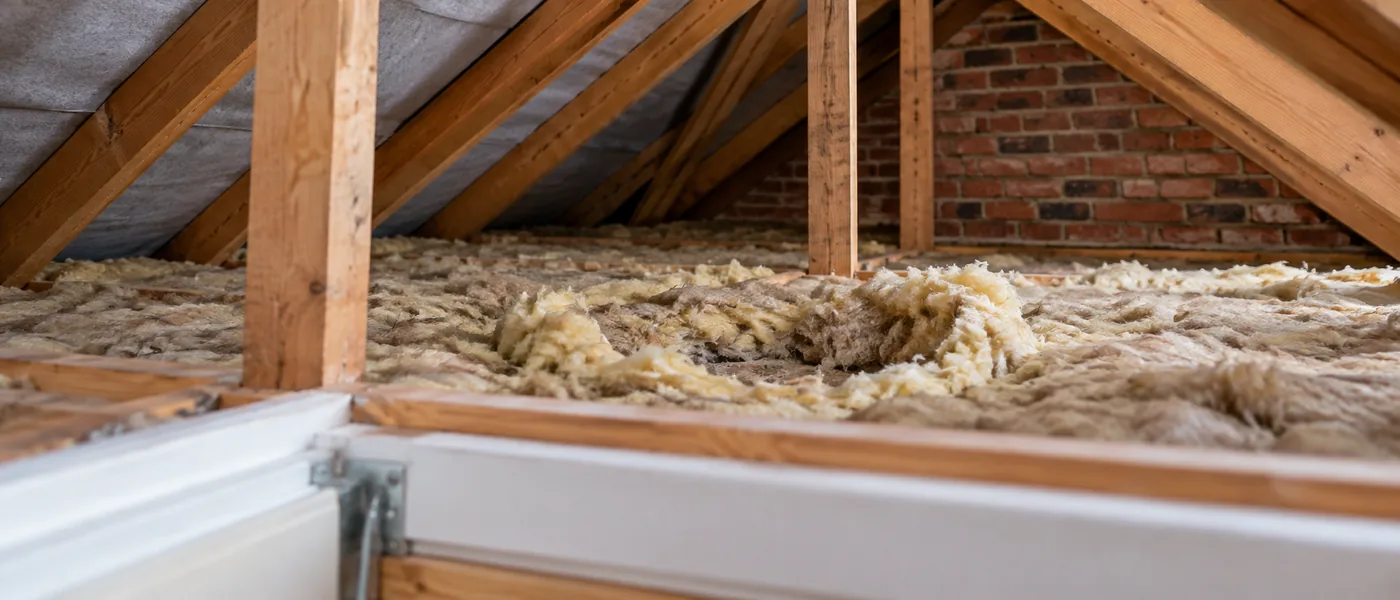
Once squirrel activity has been identified, it is natural to want the loft restored quickly. The sequence matters. Replacing insulation before the animals are dealt with or sealing an opening while the space is occupied can waste money and create a welfare problem. Conversely, treating the animal without checking damaged wiring or roof fabric can leave an immediate hazard and an easy route back in.
A useful damage assessment separates four jobs: confirming current activity, checking safety-critical services, evaluating contamination and planning durable building repairs. Different specialists may be needed for each. A pest controller can identify the animal and route; an electrician should assess suspect cables; a roofer may have to repair tile, flashing or soffit damage.
Begin with safe access and a record
Do not step onto loose insulation or unboarded ceiling joists. If the loft is not safely boarded and lit, inspect from the hatch and arrange professional access. Take photographs of what you can see without disturbing material: displaced insulation, apparent gnawing, staining, loose debris and the area where noise is heard. Note the date and whether the signs look recent. An old chewed box does not prove that an animal is still present.
Ask the inspector to distinguish confirmed squirrel evidence from possibilities. Daytime movement, a repeatedly used roof opening and fresh material may support identification, but noises can mislead. Birds, rodents and other wildlife may occupy similar structures. A full pest inspection should trace the likely entry route and establish whether more than one void is involved.
Keep existing reports from a previous visit. They can reveal a known opening that was never repaired or a recommendation that needs a different trade. This is especially valuable in a house with an extension, converted roof or several layers of insulation that conceal older damage.
Treat suspect wiring as an electrical issue
Chewed or exposed cable sheathing is not a DIY cleaning task. Do not touch it, move it aside or test it by switching a light on. Keep people away and seek advice from a qualified electrician. They can assess whether the circuit needs isolation, repair or replacement and whether a wider check is appropriate. A pest controller may point out the damage, but should not be expected to certify wiring.
Also look for disturbed cable supports, damaged ventilation ducting or insulation pushed against electrical equipment. Avoid turning a general concern about squirrels into an unsupported claim that every loft has a fire risk. The immediate decision should follow what the electrician actually finds. Record any temporary isolation and who will restore the service after repair.
If water has entered near wiring, the electrical and roofing issues may be linked. A broken tile or flashing can admit both rain and wildlife. Tell each contractor about the other issue so repairs are coordinated rather than completed in isolation.
Assess insulation and stored items realistically
Squirrels may move insulation while nesting or travelling. Some material can be rearranged or replaced locally after the space is clear; heavily soiled or damaged sections may need removal. The decision depends on type, extent and whether contamination can be handled safely. Do not pull everything out immediately. Photograph the pattern first; it may show the path from the access point to the nesting area.
Stored clothes, documents and cardboard can hide evidence. If they are damaged or contaminated, bag or handle them according to advice from the inspecting professional. A mask alone does not make extensive cleaning safe. Disturbing dry droppings can create dust, and awkward work between joists adds fall risk. Ask the contractor what cleaning is included, what materials they will remove and how waste will be managed.
Cleaning should not precede a wildlife occupancy check. If young animals are present, disrupting a nest can cause harm and make the problem harder to resolve. A squirrel control plan should explain how the loft will be cleared lawfully and when restoration can begin.
Inspect the actual roof route
Roof edges, fascia and soffit junctions, loose tiles, vents, chimney flashings and the connection between an extension and the main house deserve attention. This is a job for safe access equipment and a competent person, not a homeowner leaning from an upstairs window. An external opening may look small from the ground, and there can be several nearby weaknesses. Proofing one gap while leaving the adjacent rotten timber is unlikely to last.
Ask the roofer to consider the purpose of each opening. Ventilation and drainage must continue to work. A solid filler pushed into a vent can cause condensation or damp. Suitable repair materials depend on the original construction and the location. The contractor should state whether they are repairing a confirmed entry point, replacing decayed fabric or adding precautionary protection.
Do not close an active route until occupancy has been assessed and the pest-control sequence allows it. Trapping an animal inside may push it towards the living area and create serious welfare concerns. The control and roof repair teams should agree the handover point explicitly.
Watch for other wildlife before altering the roof
Not every animal in a loft is a grey squirrel. Bats and their roosts have strict legal protection. Wild birds and active nests are also protected in England. If the inspection reveals bats, a nest under the eaves or uncertainty about the species, stop the affected repair and obtain appropriate specialist advice. A general pest-control instruction cannot override wildlife law.
Grey squirrels themselves have special restrictions. GOV.UK says captured grey squirrels cannot simply be kept or released and advises getting professional help if you are unsure about legal control methods. This is another reason to resolve the species and plan before anyone sets traps or blocks holes.
Ask for a written close-out
At the end of the job, retain photographs of the repaired access point, a note of the animal-control outcome, the electrician’s findings and a list of replaced or cleaned material. Identify any recommendation still open. A finished pest visit does not prove the roofer or electrician has completed their work. Check after heavy weather and report fresh noise or debris with dates.
The practical aim is a sound, safe loft, not simply a quiet one. Confirm activity, address electrical or water hazards, clean only after the space is clear and repair the whole route with materials suited to the building. That approach gives each contractor a defined task and reduces the chance of another cycle of damage.
Budget for the work in separate parts
Ask each contractor to identify the work they will complete and the work they will only recommend. Animal control, electrical testing, cleaning, insulation replacement and roof repair may appear in one conversation but can be separate costs. A written breakdown helps you compare quotations and prevents a surprise when a quiet loft still needs a roofer. It also helps an insurer or managing agent understand which damage is verified and which is precautionary.
Do not replace all insulation merely because an animal entered. Ask for the affected area to be mapped and photographed. Local replacement may be enough where the rest is sound; widespread contamination or disturbance may require a larger scope. The decision should follow an inspection, not an assumption. Confirm who will make the loft safe for the electrician and who will reinstate boarding or stored items afterwards.