
A quiet loft after a squirrel visit feels like a result. If the scratching starts again a few weeks later, it is tempting to assume that the original treatment simply failed. Sometimes the explanation is more specific: one opening was closed while another remained; a repair did not withstand weather; or a different animal has found the same attractive roof space. Understanding which of these happened matters more than repeating the same intervention.
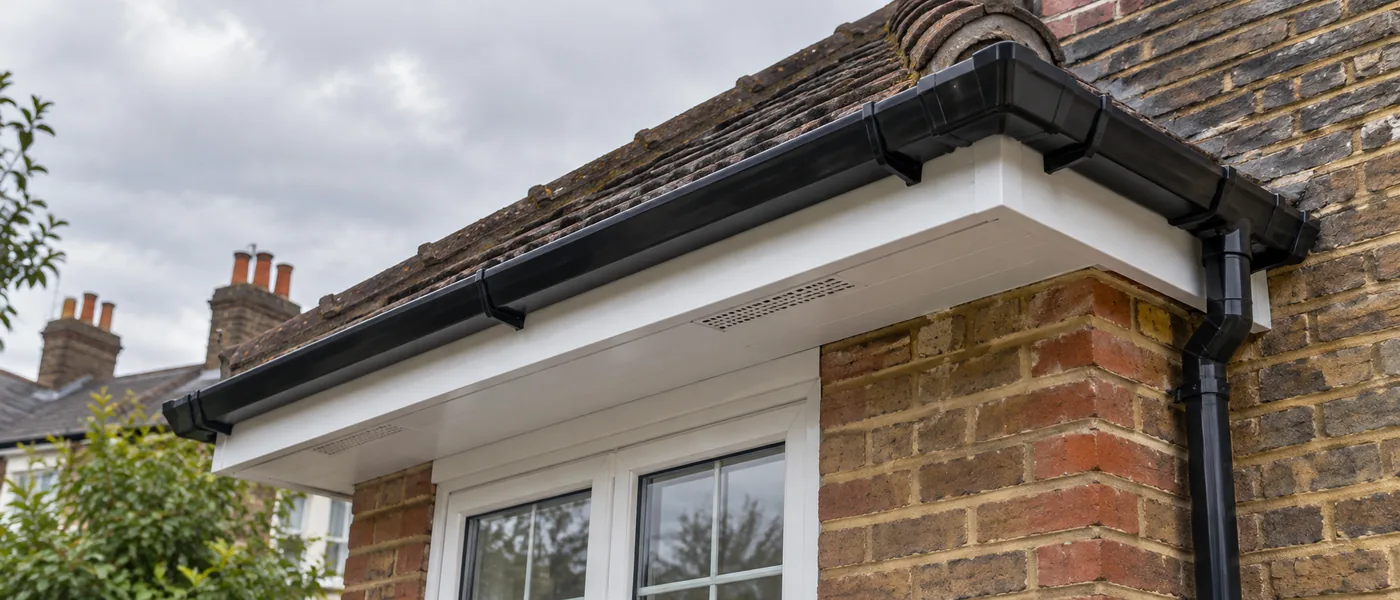
Grey squirrels are agile climbers and can exploit weaknesses around a roof edge. They do not need a neat, obvious hole visible from the pavement. The gap may be behind a gutter, under displaced flashing or at the junction of an extension and an older roof. A roof space also offers shelter, so a familiar access route can be used again unless the building fabric is properly assessed and repaired.
Confirm that the new noise is current squirrel activity
Begin with dated observations. Record where and when you hear movement, whether it occurs by day and whether the sound follows the same route as before. Watch the building from a safe position for repeated entry or exit at a particular point. A sighting of a squirrel on a fence or roof does not by itself establish that it lives in the loft.
Ask for the notes and photographs from the earlier visit. They may show a known opening, the repairs recommended and any limitations in access. Compare those records with what you see now. If the original recommendation was to repair several weak points and only one was completed, the next step may be clear. If all work was done, a fresh squirrel control assessment can determine whether activity has resumed or whether another source of noise is being mistaken for it.
Old droppings or damage can remain for years. Fresh gnawing, newly disturbed insulation and a confirmed entry route offer stronger evidence. Do not disturb suspicious material simply to make a comparison. Photographs and a professional inspection are safer and more useful than a rushed clean-out.
Repairing only the most visible opening leaves a route
Roof geometry is complicated. Soffits, fascia boards, tile edges, vents, chimneys and service penetrations may all meet at different heights. A gap that looks minor from the ground can be significant when reached by a climbing animal. Repairs must be appropriate to the surface and allow the building to ventilate and drain as intended. Filling a vent with solid material, for example, can create a different property problem.
The right inspection covers the likely route and the surrounding roofline. It also considers whether a branch or structure gives easy access. Pruning may reduce one approach, but it is not a substitute for sound building fabric. Equally, fitting a deterrent to one spot may shift activity to the next weak junction rather than resolve the underlying weakness.
When arranging pest proofing for the roof, ask for a written description of each proposed repair. Which openings are confirmed routes? Which are precautionary? Who will repair roofing, flashing or electrical damage that falls outside pest control? A clear division of work helps avoid an apparently complete job that leaves a critical trade task outstanding.
The order of control and proofing matters
An opening should not be sealed merely because it is easy to reach. First establish whether the space is occupied and whether dependent young could be present. Blocking an active route can trap animals inside, drive them into occupied rooms or create an animal welfare problem. A professional should explain how occupancy will be assessed and how exclusion or control will be completed lawfully before permanent closure.
Grey squirrels have specific legal restrictions in England. GOV.UK states that it is an offence to keep or release a captured grey squirrel. A live trap set by a householder is therefore not an easy catch-and-release answer. If you are uncertain about the method proposed, ask the contractor to explain how it complies with the law and protects non-target wildlife.
Other species can use similar spaces. Wild birds may nest at a roof edge, and bats may roost in buildings. All wild bird nests are protected while being built or used, and bats and their roosts have strict protection. This makes identification and timing essential. If a contractor identifies a different animal, the plan should change accordingly rather than forcing the original squirrel plan onto the site.
Check what attracted the animal back
Roof spaces provide warmth and shelter, but conditions outside can make a visit more likely. Accessible bird feeders, food waste or dense planting near the building may encourage squirrels to spend time in the garden. Removing or managing these sources can reduce activity, although it cannot compensate for a damaged soffit. In a terrace, access may cross more than one roof. Speak with neighbours if movement appears to travel across a shared roofline, particularly where the repair may affect party structures.
Water damage is another recurring cause of weak building fabric. A damp fascia or deteriorating timber can create an opening that returns after a superficial patch. Ask whether the repair addresses the underlying condition, not only the visible hole. It may require a roofer to replace material and check gutters or flashing. A durable repair respects the roof’s construction as well as the pest route.
Monitor after the repair without climbing the roof
Agree in advance what will count as successful completion. A follow-up may include checking known entry points, listening for renewed activity and looking for fresh signs. Keep a short log for several weeks. If you hear a single sound, record it and look for a pattern before assuming that the previous animal has returned. Report repeated daytime movement, a new visible opening or fresh debris promptly.
Keep photographs of the completed proofing and the invoice or report. They help a later contractor understand what was installed and may be useful if roofing work is planned. Reinspect after major storms or building works, because even good proofing can be disturbed when adjacent fabric changes.
Repeated squirrel activity has a practical explanation that an inspection can test. Identify the current animal, examine the entire likely roof route, complete lawful control before sealing, and make durable repairs to the right surfaces. That sequence is more reliable than closing whichever gap is easiest to see from a ladder.
Review the earlier job before commissioning another
Collect the original quotation, visit report and roof-repair invoice. They may describe different scopes. A pest treatment might have been completed while a recommended fascia replacement was left to the homeowner, or a roofer might have patched only the opening visible from the street. Put the documents side by side and ask the new inspector to check each recommendation on site. This can reveal a missed handover without assuming that any one contractor acted incorrectly.
If the earlier work included a warranty, ask what its conditions cover and whether the new signs are at the same point. Do not wait for a warranty discussion before dealing with an exposed cable or water leak. Safety-critical work can proceed through the appropriate trade while the cause of the animal activity is investigated. A clear record makes later conversations about responsibility much more practical than a general complaint that “the squirrels came back”.