
Finding a rat near a toilet, a kitchen waste pipe or an outside gully is alarming. It is also easy to jump to the conclusion that it came through the sewer. Rats can use drainage defects, but they can also travel along the outside of pipes, through gaps where a pipe enters a wall, or across the garden before disappearing near a drain. The difference matters because a treatment aimed at the wrong route will not solve the entry problem.
What a drainage route actually means
Below ground, domestic drains form a connected system that carries waste water away from the property. A rat may use a damaged pipe, a broken chamber or another opening connected to that system. It may then emerge through a defect or travel into a building if the internal plumbing and seals give it a path. This is quite different from a rat merely running past an intact drain cover.
Drainage faults can be hidden. A pipe may have a crack or displaced joint while the visible cover looks normal. Equally, a visible gap around a pipe above ground may explain the sightings without any defect in the drain itself. An inspection of the pest activity and building should establish where the evidence lies before expensive drainage work is commissioned.
Clues that justify a closer look
Repeated sightings near the same inspection chamber, persistent activity around an outside gully or a burrow close to a drain run are worth recording. So are unexplained odours, frequent blockages, subsidence around a chamber or waste water appearing where it should not. These signs do not prove a rat route; they may have other plumbing causes. They do, however, justify examining the drainage system rather than simply setting equipment in the garden.
Inside, note exactly where evidence appears. Droppings in a kitchen cupboard beside a service pipe could suggest a wall penetration. Scratching beneath a floor and activity around a downstairs toilet may suggest something else. Take photographs before cleaning, record dates and avoid repeatedly opening a chamber that you are not trained to inspect. Confined spaces, contaminated water and heavy covers can make casual investigation unsafe.
If a rat is visible in a toilet or room, keep people and pets out, close the door if possible and seek professional assistance. Do not try to flush an animal away, dismantle sanitary fittings or pour chemicals into the system. Those actions can create injury and plumbing problems without identifying the route.
Begin with the external building checks
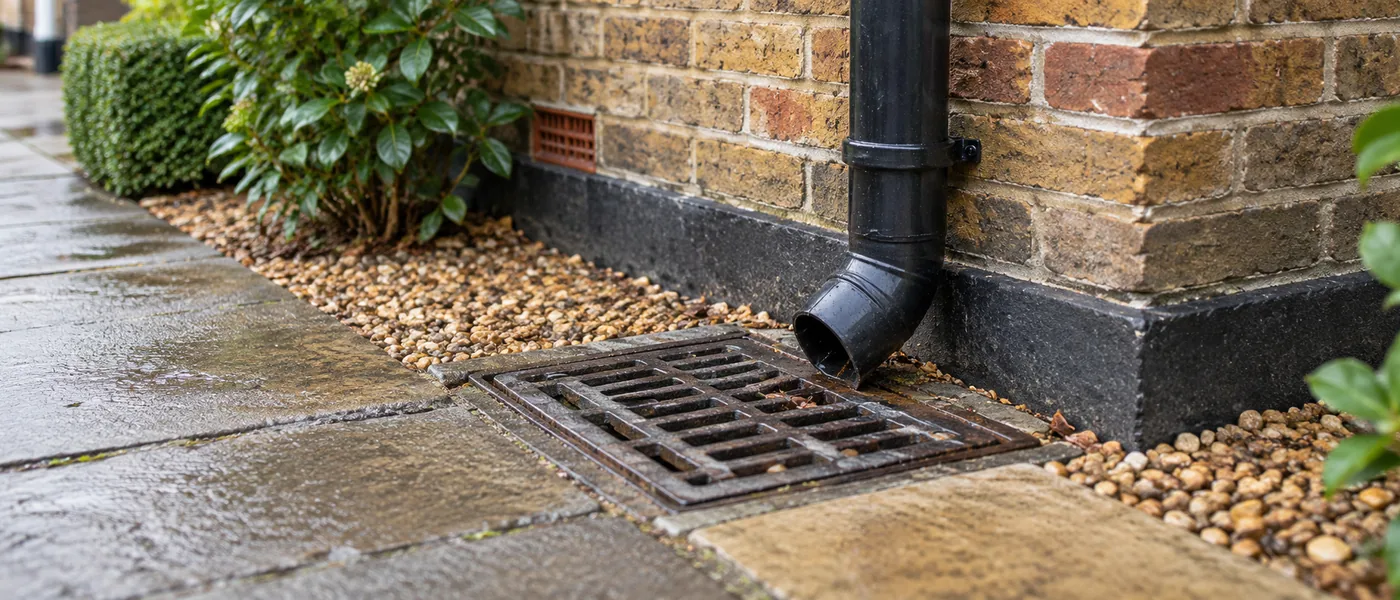
In daylight, look at the accessible parts of the building. Is the drain cover seated and intact? Are there obvious gaps around pipe penetrations? Is the gully grate damaged or missing? Are there holes in soil alongside the wall? A photograph of each feature gives a professional a useful starting point.
Also check the usual non-drain routes. A poor door fit, broken air-brick cover or opening into a subfloor may be closer to the activity than the drain. The task is to compare competing explanations, not to force every clue into the sewer theory. If there are rats in the garden and no indoor signs, the building may still be sound, although the outside activity needs attention.
Do not seal an active opening immediately. A rat trapped in a cavity may move elsewhere or die in an inaccessible place. Rat control and exclusion need to be planned in a sensible order.
When a drainage specialist is needed
A pest professional may identify a strong suspicion of drain access, but a drainage contractor can inspect the pipework itself. Depending on the situation, a camera survey can show breaks, poor joints, root intrusion or other faults and locate a repair. Ask the contractor to provide footage or a written finding and explain whether the suspected defect actually connects to the area where rats have appeared.
Not every old pipe needs wholesale replacement. A local repair may be enough if it addresses the access route and restores the drainage function. The choice of repair should follow a proper assessment of the condition and ownership of the pipe. Shared drains can cross property boundaries and may involve a water company or more than one owner. If responsibility is unclear, check the relevant drainage records and speak to the appropriate provider before authorising work.
The pest and drainage findings should be brought together. If the drain is repaired but a wall penetration remains open, activity may continue. If a gap is sealed while a drainage defect is left, the underlying problem remains. A written plan linking the route, treatment and repair is more useful than two separate invoices with no explanation.
Why a one-off bait placement is not enough
Rodent control can reduce activity while a repair is being arranged. It does not mend a broken pipe. The Health and Safety Executive describes hygiene, physical barriers and traps as options alongside biocidal products and warns that rodenticides may harm people, pets and other animals if misused. A product selected for one location should not simply be placed into a drain or outside gully by a householder. Use should match the product label and the conditions on site.
If treatment is proposed, ask how progress will be measured. Sightings, fresh droppings or disturbed monitoring points can indicate continuing activity. Some evidence can remain after rats have gone, so the date and freshness of a sign matter. Agree who will remove any temporary equipment and when the entry repair will be checked.
For a persistent problem, pest proofing may include pipe penetrations and other building gaps once the animal route is understood. A robust repair should preserve the intended operation of drains, vents and service lines; blocking them indiscriminately can create another fault.
Keep the record useful
Write down each sighting, its location and time. Note any blocked drain, unusual smell or exterior soil movement. Keep photographs of the same spot taken on different dates, so a professional can tell what has changed. If a camera survey or pest report is commissioned, keep a copy. This record is particularly valuable in a flat, terrace or rented property where several parties may need to coordinate repairs.
After repairs, return to the same observation points. Check whether new soil appears by the chamber, whether indoor signs recur and whether the repaired surface remains sound. A quiet period is encouraging, but an agreed follow-up inspection may be sensible where the original route was hard to establish.
A measured response
Treat a drain as one possible entry route, then test the idea against the evidence. Start with a safe exterior check and an accurate log. Arrange a pest inspection if there is repeated activity or evidence indoors. Bring in a drainage specialist when signs point to a defect. Sequence treatment, repair and proofing so each addresses a known part of the problem.
That approach can be less dramatic than assuming the entire sewer system has failed, and more effective than treating only the rat you happened to see. The useful question is not simply where the animal was seen; it is how it reached that point and which repair will prevent the journey being repeated.