
Review the delivery path
Hall walls and temporary storage locations are recorded without treating them automatically.
WOODFORD · SECOND-HAND FURNITURE EVIDENCE CHECK
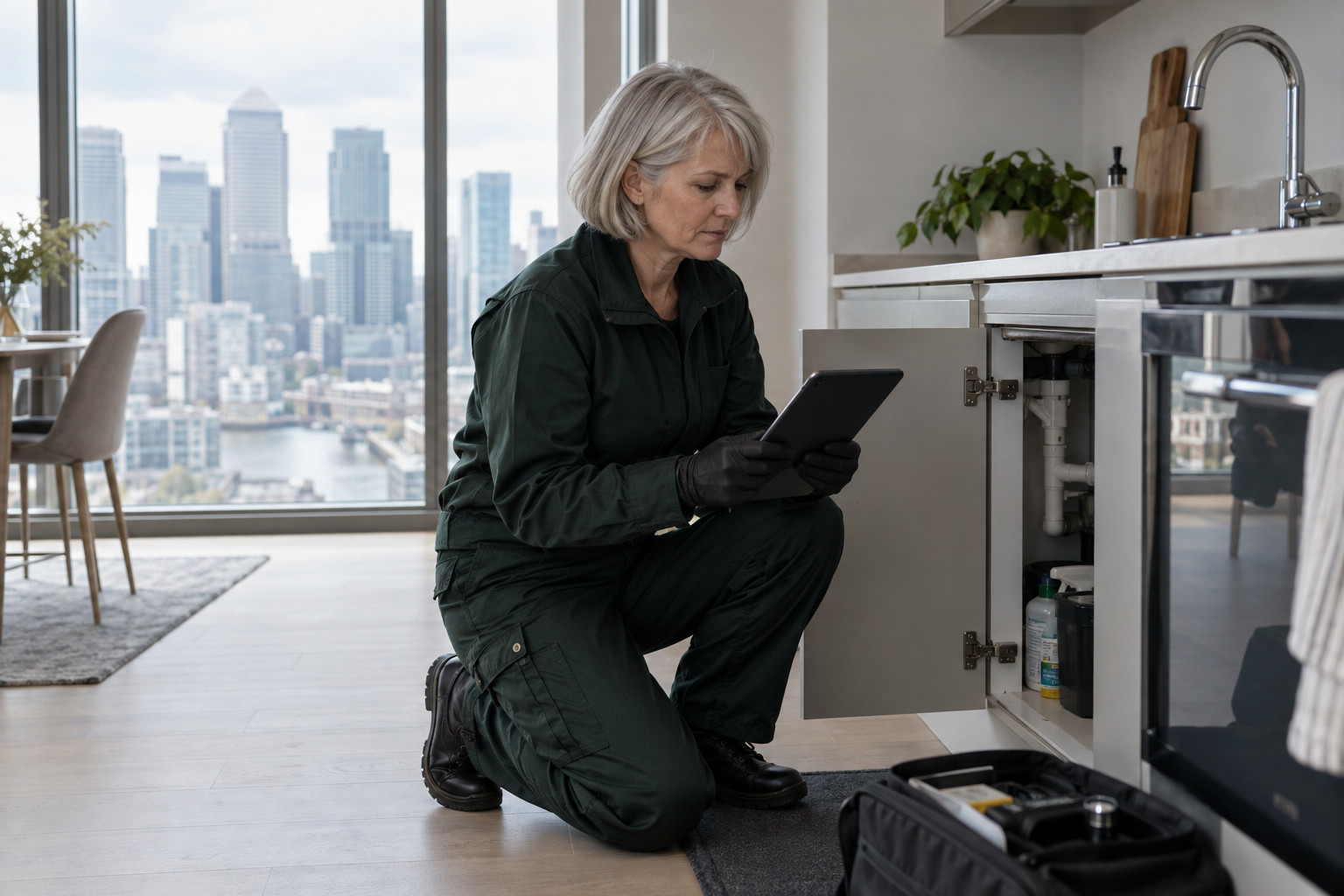
A recently introduced daybed creates a plausible route, but its timing and skin marks do not confirm bed bugs. We inspect seams, fixings and the surrounding office, review how the furniture entered, and keep equipment and belongings in place until evidence is classified. Confirmed activity receives room-specific treatment and follow-up rather than automatic whole-house application.
Hall walls and temporary storage locations are recorded without treating them automatically.
Computers and cables are kept outside unsuitable liquid or heat exposure.
LOCAL CONTEXT
The inspection is defined by how this Woodford home office is used, not by the wider property type. The daybed, its delivery route, any place it rested and nearby seating used for long periods form the initial evidence boundary. We look for live insects, eggs, cast skins and characteristic spotting in seams, fixings and adjoining edges; skin marks and the date of purchase are supporting history, not confirmation. Computers, cables and paper files are left in place unless the chosen method requires a documented preparation step. The hallway or another bedroom is added only when physical findings or a clear movement history supports it. The resident controls access to personal storage and identifies confidential or fragile items before inspection. If the daybed must be moved or disposed of, containment is agreed first so evidence and insects are not carried through the house. Treatment remains limited to confirmed or credibly connected harbourage, followed by checks at the same recorded points.
The technician records delivery, carrying route and every place the daybed stood, then searches outward from the sleeping surface.
Leave furniture assembled and in its current position, retain seller or delivery information, and avoid aerosol application. Bag loose bedding within the office only after instructions are agreed. Identify electronics that cannot be moved or exposed, and note whether anyone slept elsewhere after the marks appeared.
Returning it without containment may spread evidence between properties and remove the main inspection target.
Seal a specimen safely and keep the daybed in place. Severe skin reactions or signs of infection need medical assessment rather than additional pesticide.
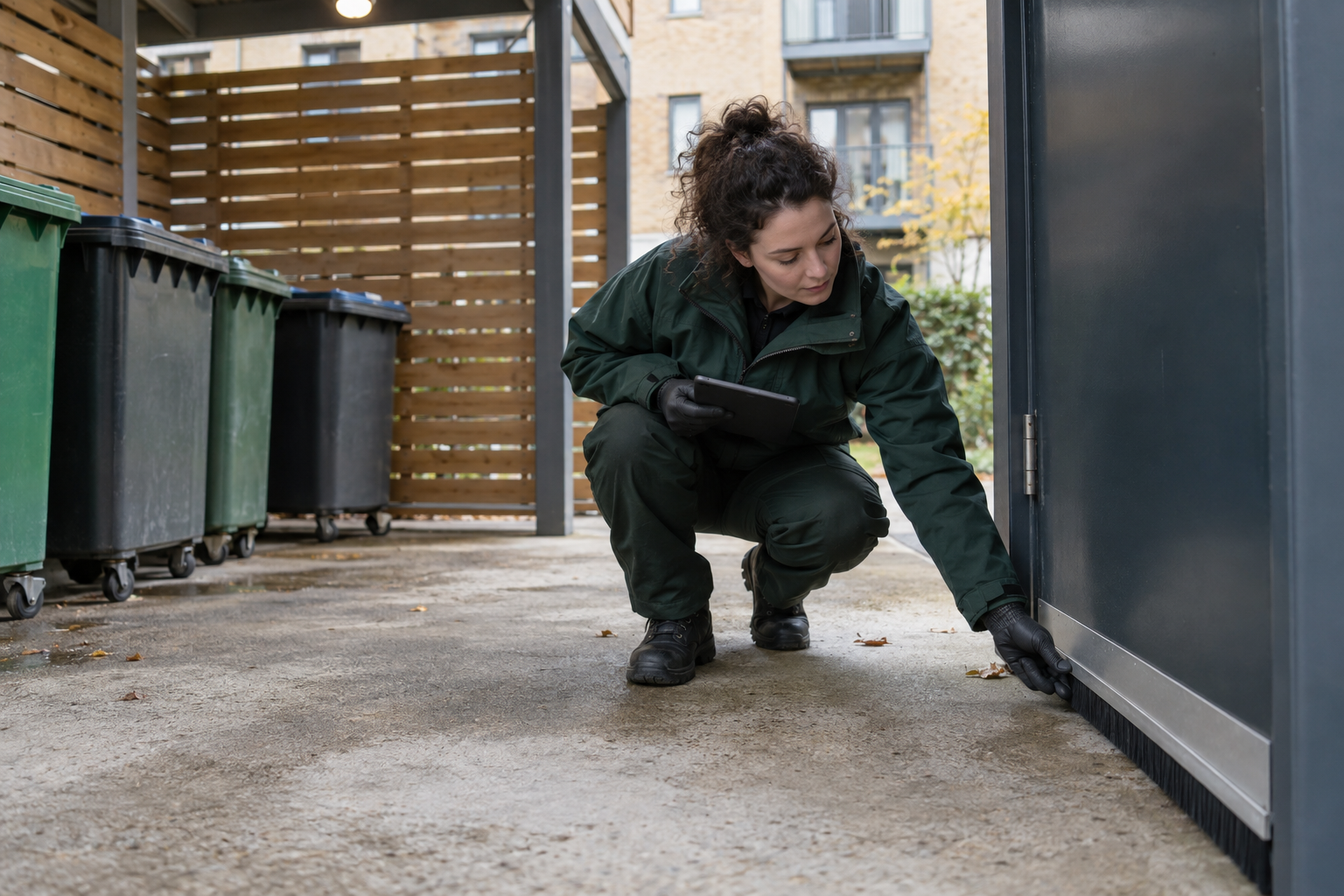
Confirmed evidence guides preparation, a suitable treatment cycle and repeat inspection of named harbourage.
Jumping specimens and pet access require floor-level host assessment instead of bed-focused control.
Larval skins among stored paper or textiles can irritate skin and need source cleaning.
Gnawed cables or droppings behind the desk create a separate safety and entry investigation.
Collection, delivery and sleeping dates are recorded.
Upholstery and structural joints are examined systematically.
Skirting, desk seating and nearby storage are inspected.
Evidence is described as confirmed, inconclusive or absent.
Treatment respects electronics, materials and occupancy.
The same named harbourage is checked at the agreed interval.
The household links new marks to the purchase, but no insect has been retained and the office contains many unrelated stored items.
Furniture and nearby harbourage are inspected in place, movement is contained and any treatment follows confirmed physical evidence.
Fresh spotting, live stages and interceptors are reviewed around the daybed and desk chair. A clear follow-up documents those points at that time; it does not guarantee the seller’s property or every object moved during delivery.
Usually, but the selected method determines protection, distance or temporary isolation requirements.
Only physical evidence or a specific item-resting history would support widening the scope.
Home-office scope reflects rooms inspected, furniture complexity, electronic-equipment restrictions, treatment method and scheduled follow-up.
| Service | Starting price | Scope factors |
|---|---|---|
| Pest inspection | From £62 | Property, access and areas inspected |
| Wasp treatment | From £89 | Nest position, height and safe access |
| Rodent control | From £184 | Activity, monitoring and visits |
| Bed bug control | From £204 | Rooms, preparation and method |
| Squirrel control | From £273 | Loft access, visits and proofing |
Final scope can change with access, activity, property size, treatment method, specialist equipment and the number of visits. Confirm the current price and inclusions before booking.
Joints, fixings and attached upholstery can still provide narrow harbourage.
No, reaction timing varies and cannot identify when or where exposure occurred.
Not automatically; preparation follows evidence and the chosen treatment method.
Item treatment may form part of a plan, while the surrounding room still needs inspection.
The result is recorded as inconclusive or clear at that time, with monitoring considered from risk and history.
Changing resting location can redistribute activity and should be discussed before anyone moves rooms.
Purchase, delivery and sleeping history make the evidence easier to interpret.
Request a furniture evidence check