
Cockroaches
A targeted plan starts by identifying active harbourage. Monitors around warmth, moisture and equipment can show whether the problem is local to one zone or linked to a service route.

AREA PEST BRIEF
For Shoreditch homes and businesses, we turn sightings into a focused control plan. The technician identifies active harbourage, checks plausible routes, selects a targeted method and explains how success will be monitored. Commercial work is planned around food, stock, staff and customers without weakening safety or treatment quality.
LOCAL PROPERTY CONTEXT
Hackney Council describes South Shoreditch through its furniture and printing heritage and surviving mixed-use buildings. Today a unit may be a studio, office, restaurant, shop or home within an adapted structure. For the technician, that means checking present-day extraction, plumbing, cabling, loading and refuse routes rather than making assumptions about the building’s age. The inspection remains evidence-led and limited to relevant, authorised spaces.
WHEN TO ACT
Call promptly when live activity reaches exposed food, a customer area or an occupied home, or when a rodent is trapped inside. A public entrance affected by a wasp nest also warrants quick advice. Before an urgent commercial visit, identify the correct unit and entrance and make sure the responsible person can grant access. Fast attendance is of little value if the technician can reach reception but not the affected store, basement or kitchen.
Call 020 3318 2099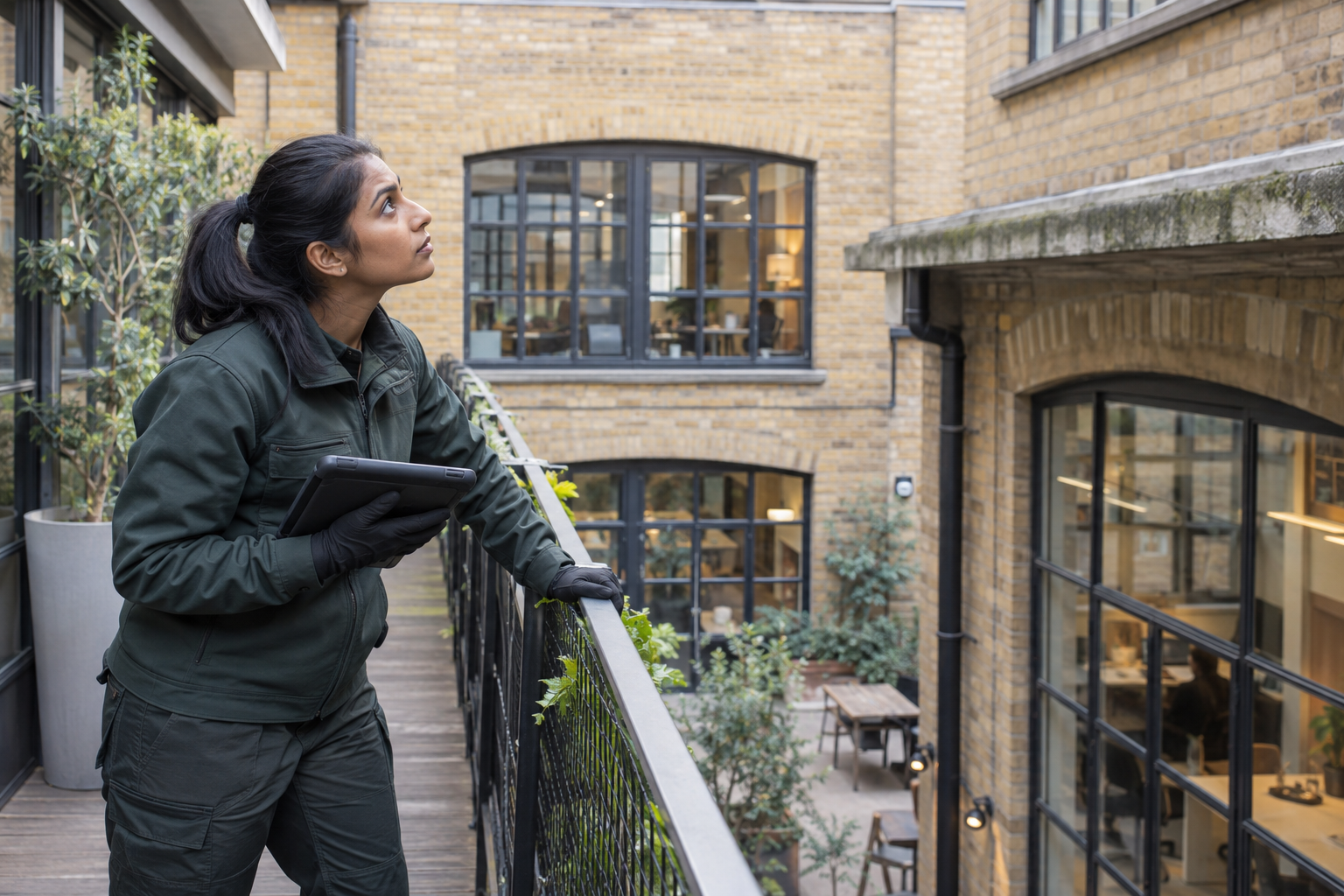
PEST PRIORITIES
A targeted plan starts by identifying active harbourage. Monitors around warmth, moisture and equipment can show whether the problem is local to one zone or linked to a service route.
We compare internal evidence with doors, stock movement and penetrations. Proofing one obvious gap is not enough if another active route remains behind a fit-out.
Basement, yard or waste reports are assessed alongside evidence inside the premises. Possible drainage involvement may call for a separate specialist investigation.
The affected product, packaging and storage pattern need review. Removing compromised stock and locating the source is more useful than treating an entire room without a diagnosis.
Homes, furnished accommodation and rest areas require physical evidence around sleeping or upholstered zones. Offices do not become infested simply because somebody reports a bite.
Repeated roosting can affect entrances, terraces or roof equipment. Ownership, cleaning risk and safe high-level access must be established before proofing is designed.
FINDING THE SOURCE
The route from deliveries and storage to preparation, service or desk areas
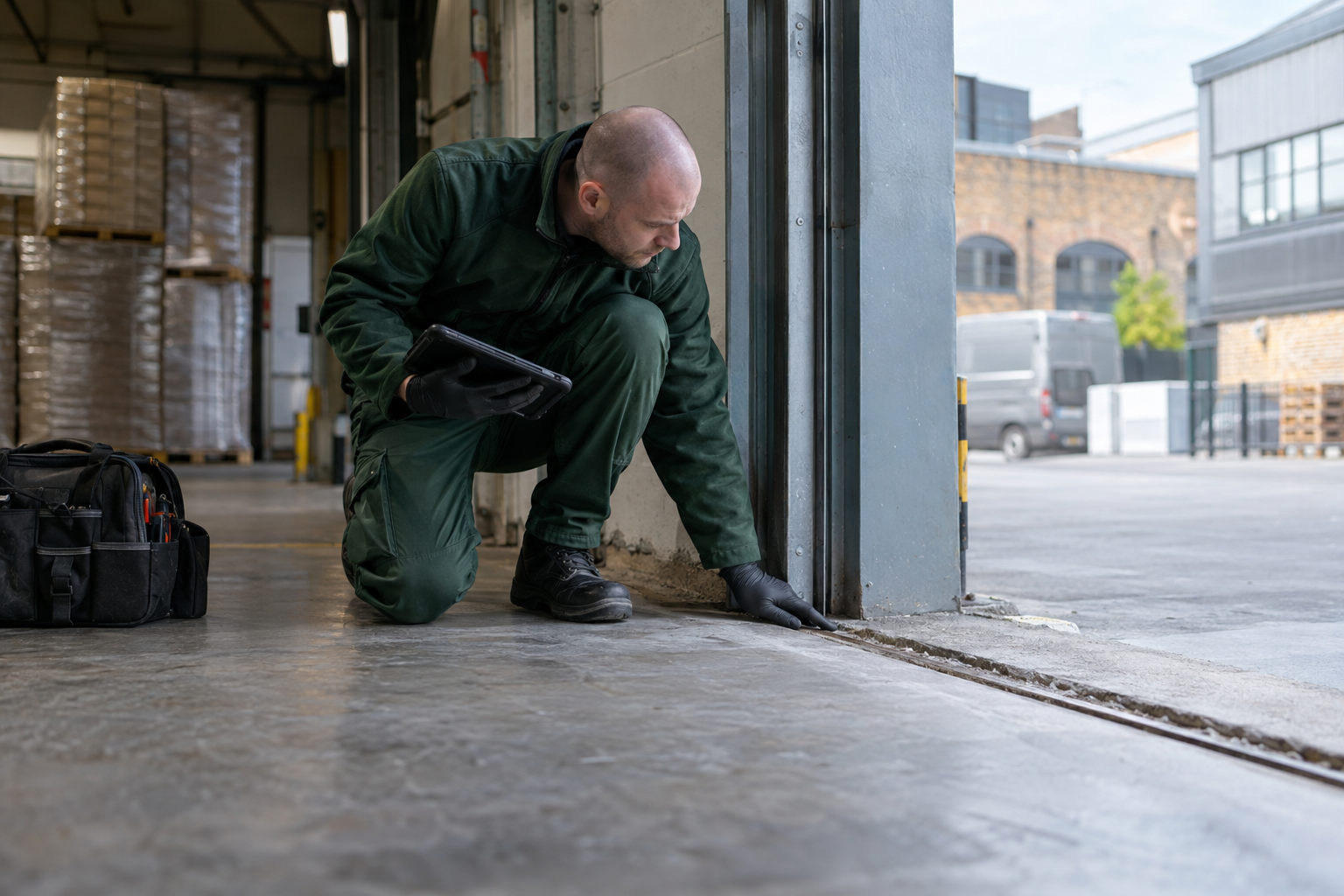
Rear doors, thresholds and shared yards used by several businesses
Extraction, cable and plumbing penetrations introduced during different fit-outs
Warm equipment, drink stations and concealed voids around built-in joinery
Roof plant, terraces or ledges when birds or wasps are the reported issue
BEFORE / WORK / AFTER
A commercial report often begins with separate observations from cleaners, kitchen staff, security or residents. We turn those reports into a simple site picture: the affected zone, time, nearby stock or equipment, delivery pattern and any recent spray or contractor work. This identifies what must be protected and what still needs confirmation.
The treatment plan concentrates on active harbourage and movement routes. Monitoring is positioned to answer a specific question, treatment is kept targeted, and confirmed access points are proofed where suitable. Placement, timing and aftercare are agreed around food, sensitive stock, customers and staff rather than applying the same method throughout the premises.
The site contact can then check practical indicators: monitor captures, fresh marks, reports from the same zone and evidence around the treated harbourage. A downward pattern or a clear monitor supports the next decision, while renewed activity after a delivery or in another zone points to further inspection. Follow-up remains based on recorded evidence, not an automatic claim of clearance.
BEFORE WE ARRIVE
Nominate somebody who knows the premises rather than only the front-of-house area. Provide the unit, floor, delivery entrance and any concierge or alarm instructions. Mark sightings on a simple plan if several rooms are involved. Protect open food and sensitive stock, but do not dismantle equipment unless advised. Avoid adding multiple retail insecticides immediately before inspection. Tell us about neighbouring works, recent fit-outs, waste collection, customer hours and contractor permits. If the roof, basement or shared yard may matter, request access from the freeholder or facilities team before attendance.
THE VISIT
We establish the operational concern, sightings and spaces that must remain available to staff or customers.
Delivery, storage, preparation, occupied and shared areas are considered separately.
The visit concentrates on signs and plausible routes rather than applying treatment across every room.
Method, placement and timing are chosen with food, stock, occupants and access restrictions in mind.
Actions for the occupier, cleaner, facilities manager or landlord are stated without blurring ownership.
Monitoring and follow-up have a defined purpose, such as confirming control or testing an unresolved route.
The sequence for a Shoreditch visit follows the pest, available access and evidence; unnecessary steps are not added.
LOCAL ANSWERS
Sometimes the work can be placed in a quieter period or contained to a back-of-house zone. The pest, product and access determine what is safe and practical.
Yes. We can inspect the area you control and record how the shared yard relates to it. Work beyond your boundary needs the relevant authority.
No. New finishes can cover older voids, and new services create their own penetrations. We inspect accessible evidence rather than assuming the fit-out solved or caused the issue.
The useful findings, access limitations and recommended next actions can be presented clearly for the responsible team.
COST CONTEXT
| Pest / service | Typical starting price | What affects the price |
|---|---|---|
| Pest inspection | From £62 | Property, access and areas inspected |
| Wasp treatment | From £89 | Nest position, height and safe access |
| Rodent control | From £184 | Activity, monitoring and visits |
| Bed bug control | From £204 | Rooms, preparation and method |
| Squirrel control | From £273 | Loft access, visits and proofing |
The final quote can change with the extent of activity, property size, access, number of visits, treatment method and any proofing. Commercial scheduling, specialist height access or work in communal areas may also affect scope. Starting prices are a guide, not a fixed quotation. Confirm the current price and what is included before booking.
NEARBY COVERAGE
RELATED SERVICES
USEFUL DETAILS
Protect ingredients and preparation surfaces first, then photograph the sighting point and leave non-food harbourage or monitor positions undisturbed for the technician.
Sometimes another zone can remain operational, but noise, access, product restrictions and the active route must be agreed with the site contact before work starts.
Nominate one person to collect dated reports from security, cleaners and opening staff so later observations can be compared with the treatment and monitor plan.
Quarantine the affected item where safe, retain packaging details and contact us. The new evidence may point to an introduced source rather than failure at the original treated zone.
YOUR NEXT PRACTICAL STEP
Share the full postcode, property type and the clearest sign you found. We will ask focused questions and explain whether inspection, treatment or monitoring is the sensible next step.